
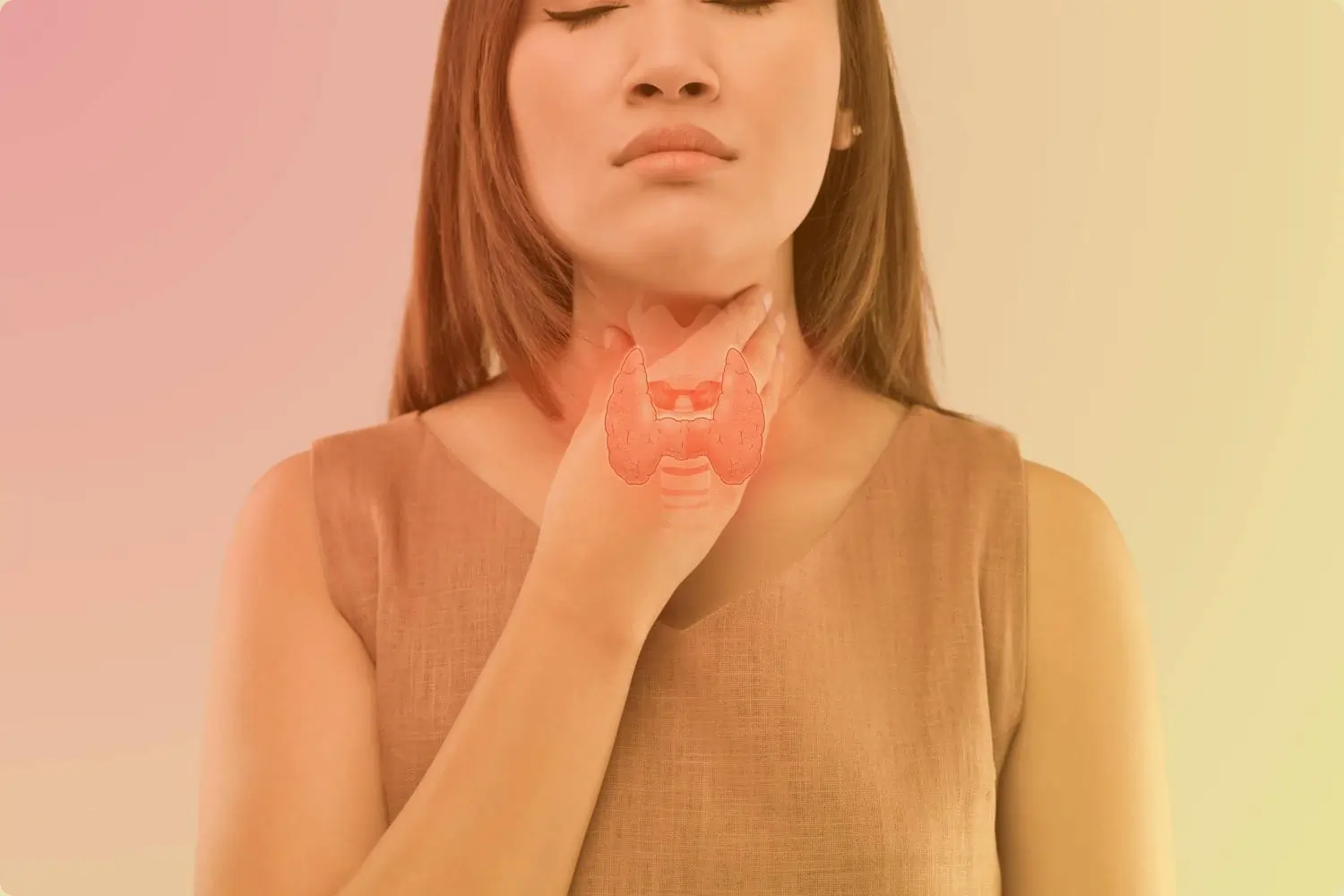
Hypothyroidism (Underactive Thyroid)
Hypothyroidism, also known as underactive thyroid, low thyroid, or hypothyreosis, is an endocrine system disorder in which the thyroid gland fails to produce enough thyroid hormone. This can lead to a wide range of symptoms, including reduced ability to tolerate cold, feeling tired, constipation, slow heart rate, depression, and weight gain.
Hypothyroidism is a common clinical illness caused by low blood levels of thyroid hormones or by resistance of the body to respond to them. Since thyroid hormones play a primary role in running the body's metabolism, individuals with hypothyroidism show signs of a slowed/sluggish metabolism.
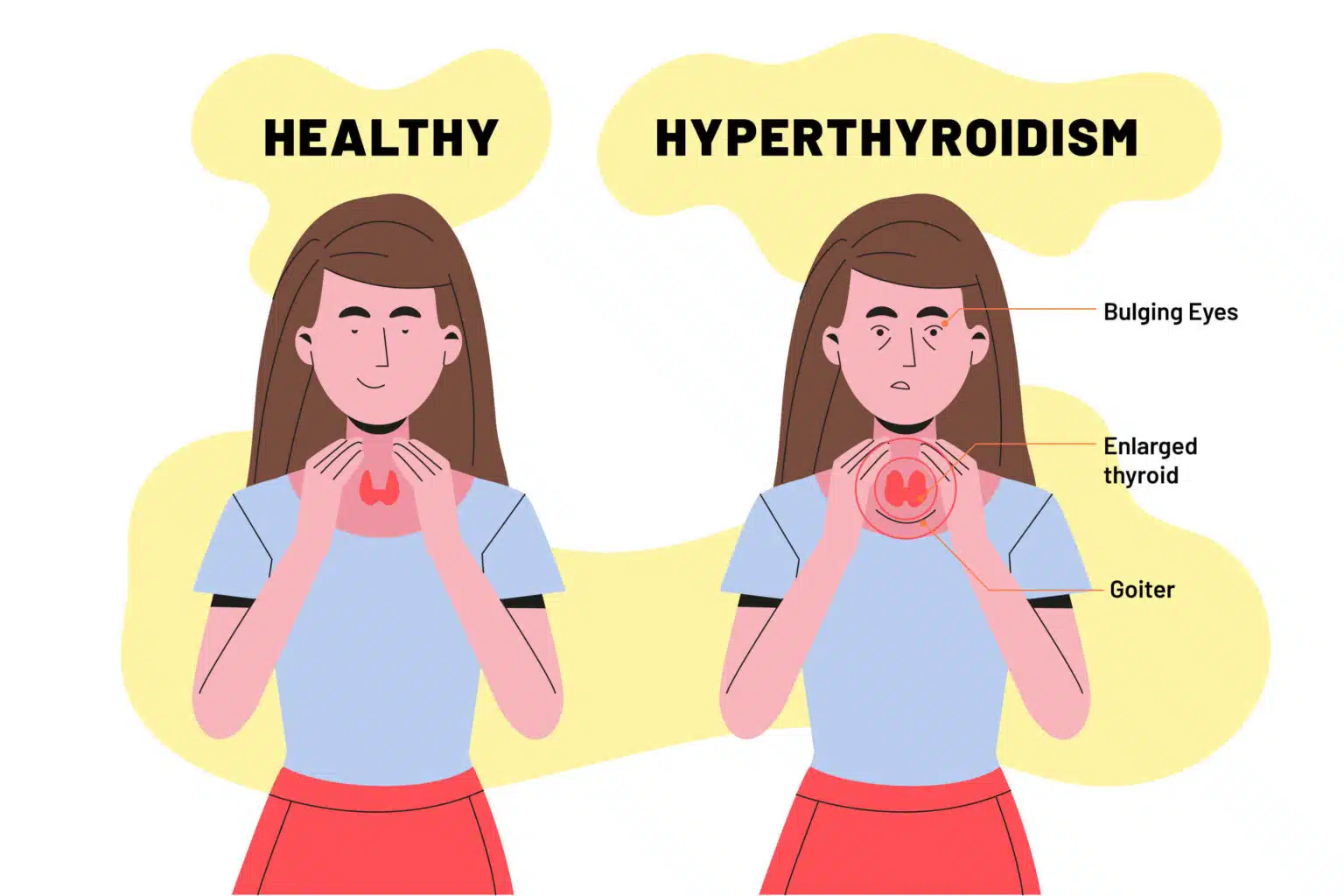
Sometimes, swelling in the front of the neck (goitre) occurs. When left untreated during pregnancy, hypothyroidism can result in congenital iodine disorder or cause delays in the baby's growth and intellectual development.
Many people with hypothyroidism have mild or no symptoms. However, a broad spectrum of signs and symptoms can be present—either from the lack of thyroid hormone or as a consequence of the related conditions. Enlargement of the thyroid gland (goitre) is often seen with Hashimoto’s thyroiditis. In middle-aged women, symptoms may be misinterpreted as menopause.
Roughly one billion people globally are affected by iodine deficiency, though not all develop hypothyroidism. In the U.S., hypothyroidism affects about 0.3–0.4% of the population. An estimated 4.3–8.5% of adults have a mild form called subclinical hypothyroidism (normal thyroxine, increased TSH). Women are affected more often than men. Though much less common, hypothyroidism can occur in animals such as cats, dogs, and horses. The term “Hypothyroidism” comes from the Greek words hypo-, thyreos, and eidos.
What takes place during Hypothyroidism?
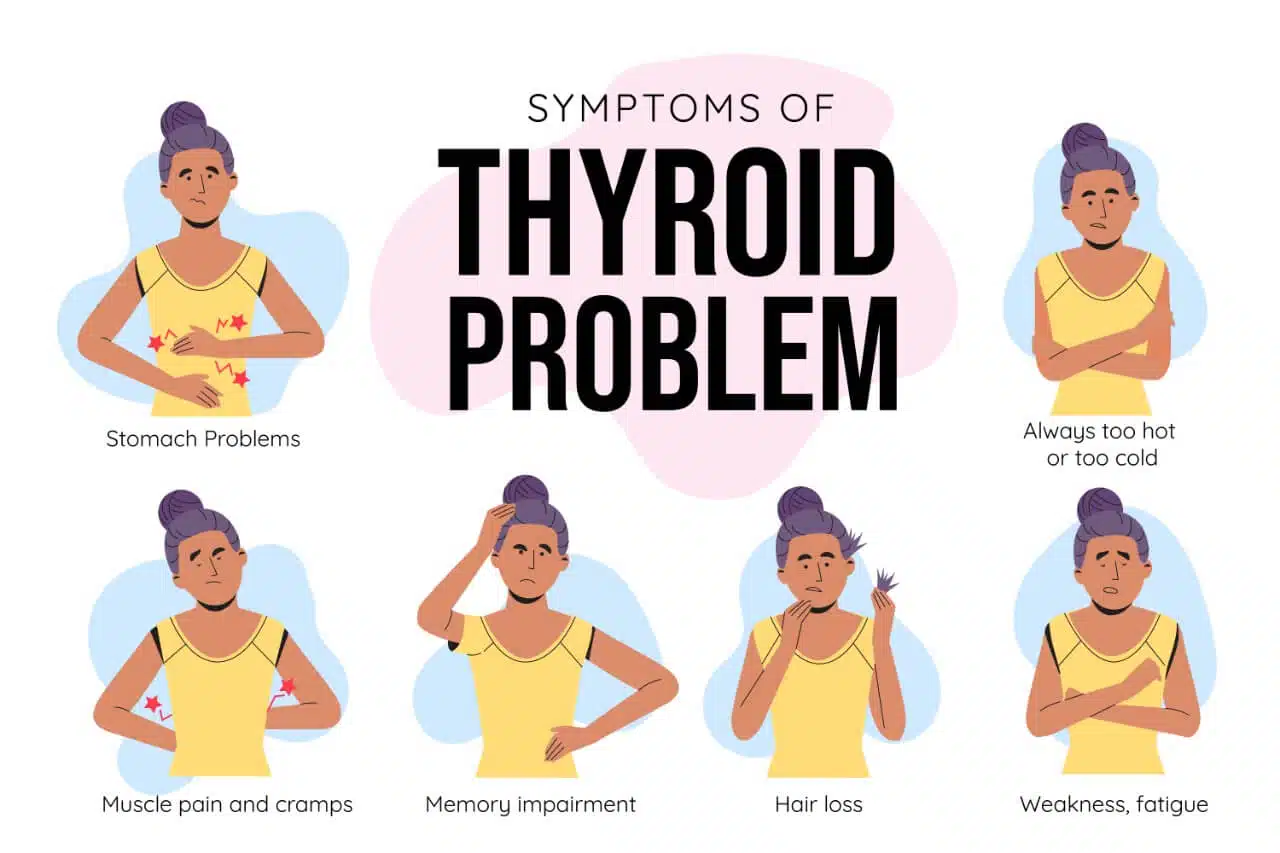
- Higher sensitivity to the cold
- Improper gain of weight
- Irregular or weighty menstrual cycles
- Discomfort in joint stiffness or swelling
- Skin gets dry
- Slow metabolism
- Hair becomes thinner and brittle
- Having pain in all parts of your body
- Having blood cholesterol levels that are greater than usual
Points: Potential Consequences of Hypothyroidism
- Swelling of the thyroid gland, known as Goiter, is a common consequence.
- A tingling and numbness sensation in the limbs. (Peripheral neuropathy).
- Heart diseases include problems in the rhythm of heartbeats and heart muscles.
- Your breathing muscles become weakened, and your lungs become less effective when your thyroid hormone levels are too low. As a consequence, you can experience breathing difficulties while exercising.
- The passage of food throughout the stomach and intestines is slowed down by Hypothyroidism. Acid reflux, diarrhoea, and bloating are examples of symptoms that might result from slowed digestion.
Homeopathic Invention
As per the latest research in homeopathy, hypothyroidism is often accompanied by serious mental health complications, such as loss of confidence, self-devaluation, anxiety, over-thinking, and other psychological symptoms. As the patient’s voice becomes hoarser and their body heavier, coping with these emotional and physical changes becomes challenging, especially in terms of engaging in daily and social interactions.
How Effective Is Homeopathy For Hypothyroidism?
For the treatment of Hypothyroidism, homoeopathy offers more than 50 effective preventive and curative medications that benefit both children and adults. In homoeopathic treatment for Hypothyroidism, each remedy is meticulously chosen based on the patient’s medical history, and the right drug can even ward off side effects. The following are a few remedies:
It is recommended for obese patients who have trouble handling cold air. Typically used only for children’s diarrhoea as well as in ladies with heavy periods cycle and general chilliness.
Strong affinity for thyroid gland growth or atrophy. Reduction of flesh accompanied by robust hunger and severe anorexia. The patient feels better when they are in cool air since they cannot endure warm environments.
Excellent treatment for thyroid issues, including cretinism and myxoedema, is thyroidinum. Emaciation, sensitivity to cold, and cold feet and hands act favourably on children with developmentally delayed.
For fair, heavy women who have a history of irregular periods, late, sparse periods and constipation with firm, tough stools. Gripes are harsher in the summer and at night.
The beauty of homoeopathy is that its medicines can be made from a diverse range of natural sources, including plants and their derivatives, minerals and chemicals, and even animal products. One such medication made from the coloured juice of cuttlefish is Sepia. Homoeopathic potentization is employed to awaken this juice’s dormant therapeutic potential.
Use Sepia Officinalis if the patient exhibits any of the following signs or symptoms:
- Weak and a little yellow.
- A propensity to faint, especially in cold weather.
- Extreme sensitivity to cold, even in warm environments.
- A worsening of irritation.
- Excessive Hair fall.
- Increased menstrual flow that starts earlier than expected.
- Loose stools.
- Greater appetite for pickles and other acidic foods.
Potassium carbonate is potentized to provide the potent, long-lasting homoeopathic medicine known as Kali Carb. Being a polychrest medication, kali carb affects several bodily organs and systems. It is effective for a variety of ailments and has a broad range of uses. The hormone system, respiratory, digestive tract, heart, kidney, female reproductive mechanism, skin, etc., are all positively impacted by kali carbonicum. In instances of asthma, bronchitis, TB, pneumonia, hydrothorax, etc., Kali Carbonicum exhibits positive outcomes. It’s one of the more frequently prescribed homoeopathic treatments for conditions including Hypothyroidism, vitiligo, warts, eczema, urticaria, loss of hair, trigeminal neuralgia, sciatica, lower back pain, excessive menstrual flow, etc.
This intriguing homoeopathic remedy was created from sodium chloride, a ubiquitous ingredient in foods. The process by which the common salt’s underlying healing power is triggered to be made available for healing is often known as potentization. This medication is effective for a wide range of illness processes involving the hormone mechanism, epidermis, digestive organs, nose, lungs, kidney, metabolic system, muscles, head, etc., due to its broad spectrum of action. It is one of the treatments that are frequently used for conditions including thyroid problems, loss of hair, fissures, urticaria, migraines, eczema, lichen planus, vitiligo, and asthma. Homoeopathic medicine called Natrum Muriaticum is widely used for thyroid conditions, particularly in anaemic females who are prone to diarrhoea.