Cervical Spondylosis Homeopathy Treatment
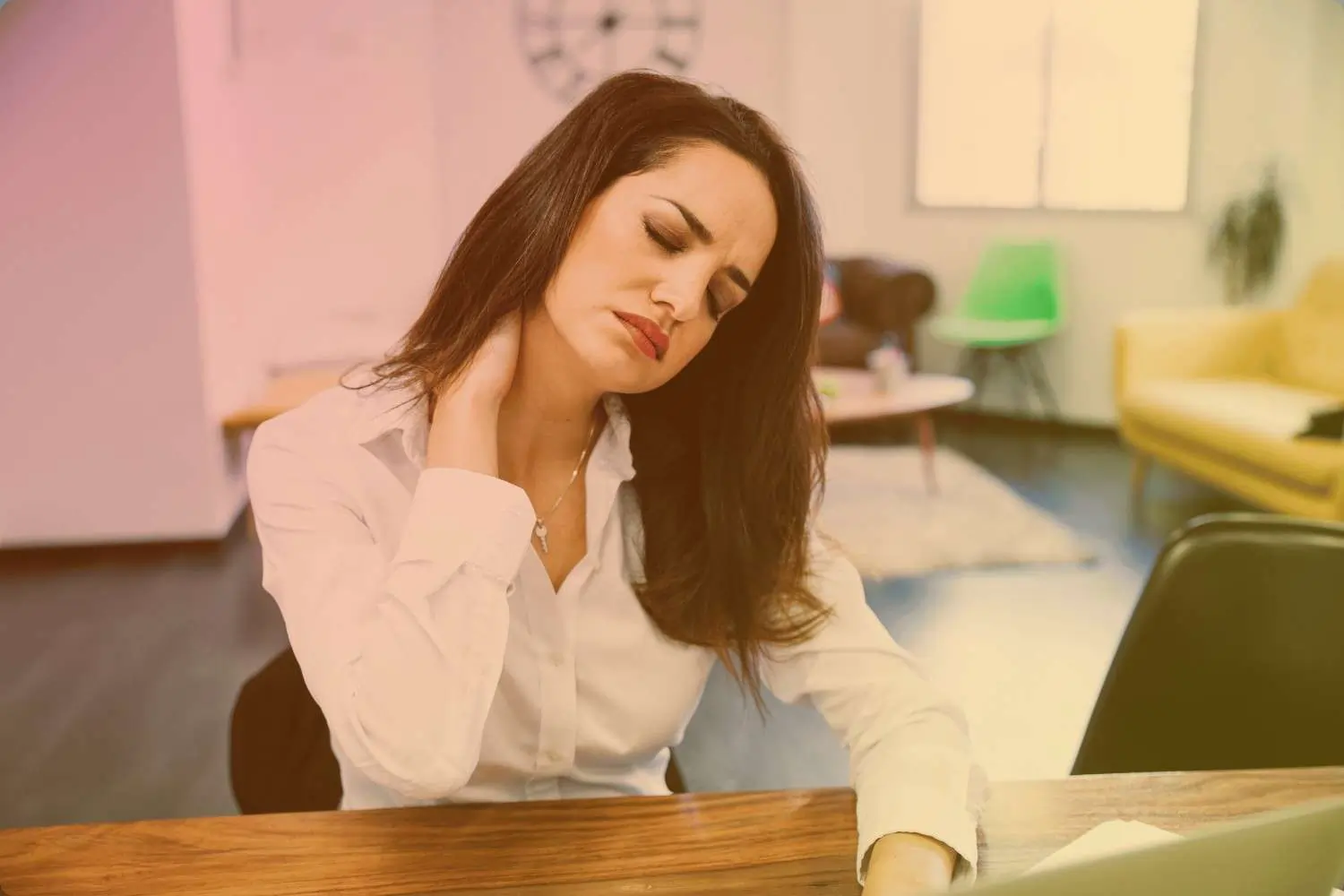
Neck pain can be brought on by a variety of factors, but getting older is the most common one. The cervical spine’s discs and joints slowly deteriorate as we age, much like the rest of the body. The medical word for these ageing-related wear-and-tear changes that develop over time is cervical spondylosis, also known as arthritis of the neck.
Extremely many people have cervical spondylosis. Over 85% of persons older than 60 are impacted. Although many patients with cervical spondylosis show no symptoms, the illness most frequently results in neck pain and stiffness. The majority of the time, cervical spondylosis is successfully treated with conservative measures, including medication and physical therapy.
Risk Factors of Cervical Spondylosis
-
Increasing Age:
As you age, your neck, shoulders, upper back, and sometimes your arms can all be affected. The cervical spine experiences wear and tear due to years of use, which may not always cause pain, but can result in degenerative spinal conditions. Not everyone develops neck pain as they get older, but the daily stresses our spines encounter increase the risk of cervical spondylosis. -
Familial Inheritance:
Genetics plays a role in determining the structure of your spine. Research shows that similar genetic backgrounds can predispose family members to similar patterns of spinal degeneration. If anomalies are found in the cervical spine in more than one family member, the possibility of familial cervical spondylosis should be considered. In such cases, genetic counselling may help family members understand their potential risk and take preventive measures. -
Neck Injury:
A history of neck injury, for example from car accidents or trauma, can increase the risk of cervical spondylosis. Such injuries can compress the spinal cord and nerve roots. As discs deteriorate, the body may respond by producing extra bone (bone spurs), which can sometimes damage the spinal cord or nerves. -
Job and Lifestyle Factors:
Work that involves prolonged sitting, poor posture, or repetitive neck movements over years can substantially increase your risk. Constant or recurrent stress to the neck results in neck pain for many people. Additional factors—such as performing repetitive neck movements daily, being overweight, leading a sedentary lifestyle, or holding the head in awkward positions for extended periods—can contribute to degeneration. These may also lead to numbness and weakness in the shoulders or other parts of the upper body.
Causes of Cervical Spondylosis
Stacks of bones called vertebrae make up your spine. A powerful, springy disc that serves as a shock absorber is located between each vertebra. As part of a process known as degenerative disc disease, these discs deteriorate over time.
Both sexes of the aging population tend to suffer from this cervical spine condition. The most frequent complaint of patients is discomfort. Surgery may be necessary to treat pain alone or in conjunction with other neurological problems. Non operative treatments, decompression, instrumented fusion, or a variety of laminoplasty and instrumentation are all possible forms of treatment.
You might have a herniated cervical disc if you’ve never experienced neck or upper back pain. Although it sounds alarming, it is a typical health issue as you age. Often, you can have one without exhibiting any symptoms.
A gel-like substance can be found in the center of the discs that separate the vertebrae. The fibrous cartilage that makes up a disk’s exterior retains the gel inside. When the outside part tears or cracks, the gel may protrude. What a herniated disc actually signifies is this.
A “slipped disc” or a “ruptured disc” are other names for it.
Osteophyte production is regarded as the body’s attempt to repair itself and may be brought on by degenerative processes. Degeneration can negatively impact several of the spine’s structural components and lead to a series of issues, such as changes in disc structure (e.g., straightening, shrinking, reducing), thickening of spinal ligaments, and joint enlargement—individually or in combination. These changes impair the spine’s normal motion.
Injuries, trauma to the spine, aging, and degenerative diseases can cause bone spur formation. Another factor mentioned as a potential contributor is poor posture.
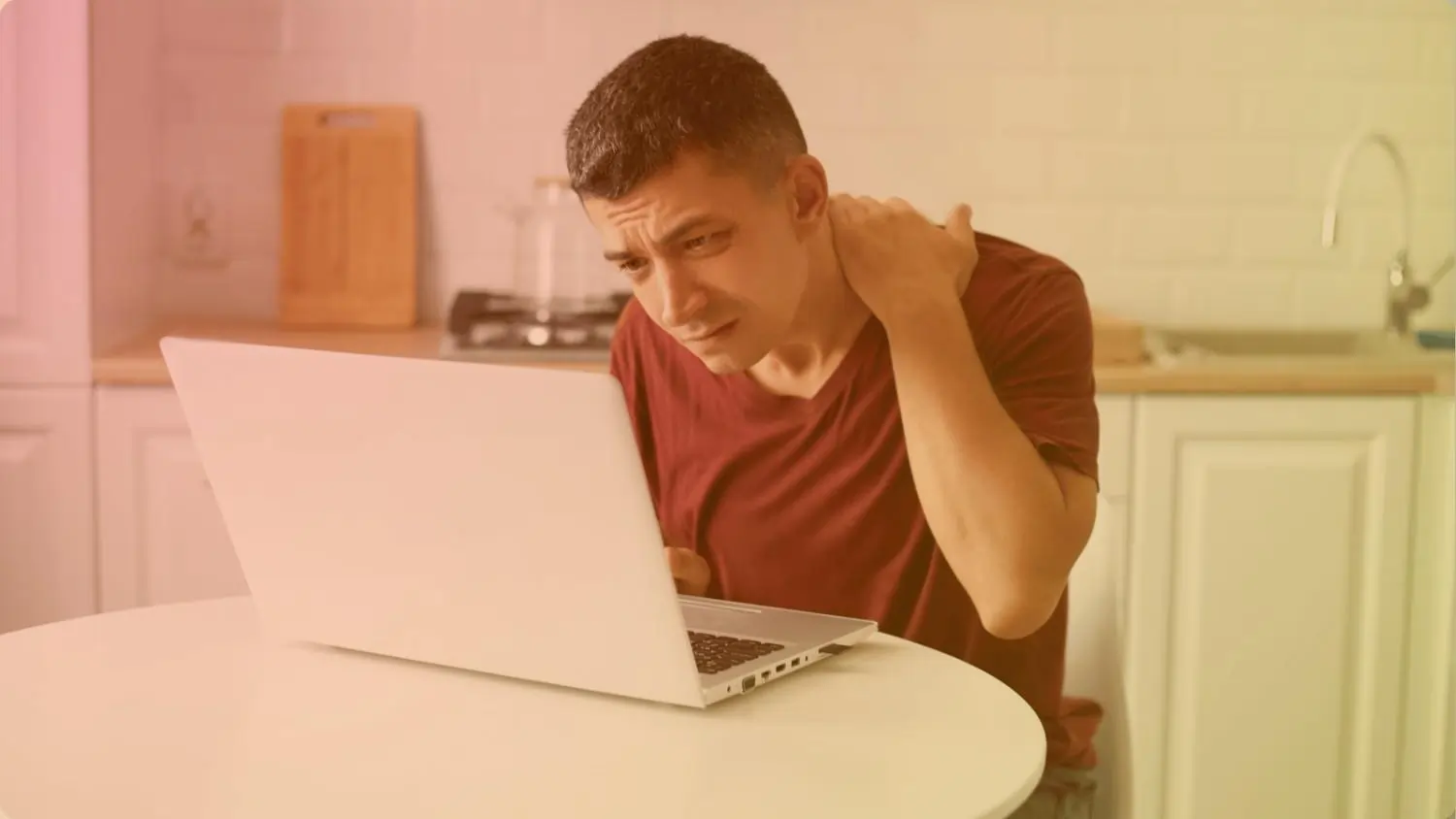
With time, spinal ligaments might harden, reducing the flexibility of your neck. A stiff neck is often characterised by pain and stiffness, particularly while attempting to turn the head to the side, and could come with a headache. Turning the whole body rather than just the stiff neck while looking to the side or over the shoulder may be necessary.
Symptoms of Cervical Spondylosis
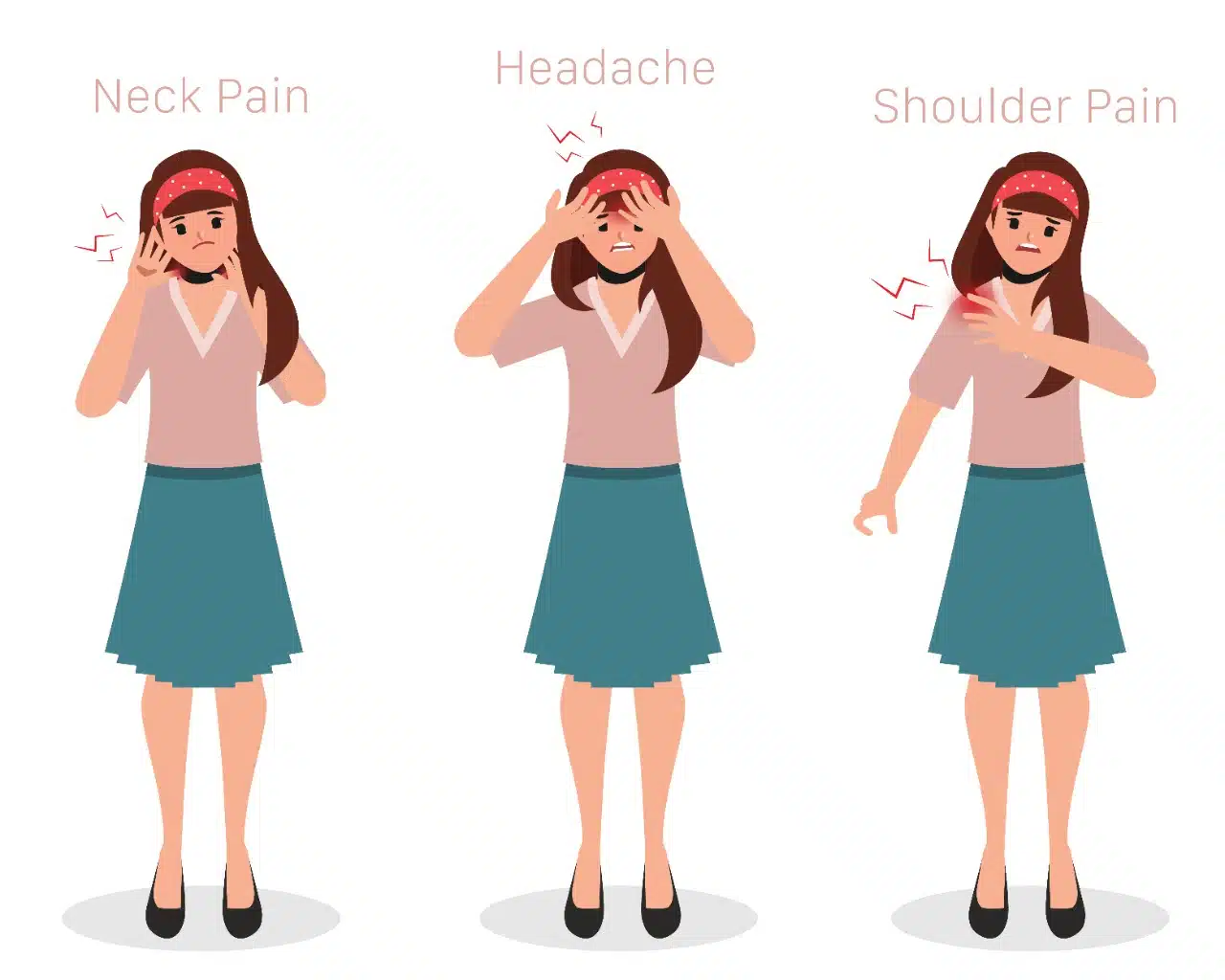
Most people with cervical spondylosis have no symptoms. When symptoms do appear, they often include neck pain and stiffness.
In some cases, cervical spondylosis may cause narrowing of the spinal canal within the bones of the spine. If the spinal cord or nerve roots become compressed, additional symptoms can develop:
- Neck stiffness and pain
- Reduced flexibility and range of motion, especially in the morning or after periods of inactivity
- Tingling, numbness, or weakness in your arms, hands, legs, or feet if the spinal cord or nerve roots are pinched
- Difficulty walking and lack of coordination
- Loss of bowel or bladder control
Homoeopathic Approach for Cervical Spondylosis
The most effective treatment for cervical spondylosis is homeopathic medicine. Homeopathic remedies for cervical spondylosis provide quick pain relief and enhance mobility. Even if degenerative changes in cervical vertebrae and joints that exhibit degeneration or nerve compression cannot be improved by drugs, the patient reports significant pain alleviation and increased mobility. Even though the patient is experiencing better pain relief and is able to engage in highly calming activities, the neuroimaging (such as X-rays) may still demonstrate nerve root compression and degenerative changes.
Invention
Cervical spondylosis is brought on by a conflicting sense of intellectual self-worth, according to the homoeopathic invention. It can be triggered by making a mistake, failing an intellectual assignment (at work or school), or hearing demeaning comments from parents, instructors, or other people in the same profession. Conflict is more likely to occur in those whose sense of self-worth is based on their academic accomplishments or who tend to overachieve academically. The cervical spine is influenced by negative self-talk as well.
Medicines
Homoeopathic Medicines for Cervical Spondylosis
Acid Phos :
Glacial phosphoric acid has been potentised to create the lovely deep-acting constitutional treatment known as Acid Phos. It is a popular treatment for symptoms of cervical spondylosis and one of the best treatments for mental incapacity, followed by physical infirmity. Acute infections and body fluid loss are two common causes of complaints. Typical signs of cervical spondylitis include dull discomfort between the scapulae: back pain, and pounding limb pain. The occiput and nape of the neck are frequently painful due to excessive lifting and studying. Additionally, patients may experience headaches from ongoing sadness or worn-out nerves. After a brief nap and with some warmth, he feels much better.
Kalmia latifolia :
This herb is one of the best treatments for cervical spondylitis. The affected areas experience numbness and fluctuating, downward-moving neuralgic symptoms. The arm feels the neck’s pain travelling down it. Stiffness, bruising, and pain in the arms and neck. Stiffness and weakness in the hurting legs. Pains change quickly and radiate outward along the nerves. Stooping, leaning forward, motion, being cold, and resting on the left side all make the pain worse. The patient generally feels better after leaving the recumbent position.
Benzoic Acid :
Benzoic Acid is a useful remedy for both acute and recurrent gout. Gouty attacks may alternate from the left to the right side or initially manifest in the right great toe.
Colchicum :
Colchicum is recommended when gout pain shifts from one joint to another. The pain is often described as burning and tearing, exacerbated by external impressions such as noise, odor, touch, or bright light.
Sanguinaria :
Rheumatoid arthritis of the right shoulder, left hip, and neck. By touching the area, right-sided neuritis will improve. Along with nausea and vomiting, pain starts in the occiput, moves across the head, and finally settles over the right eye. Right arm and shoulder pain that makes it impossible to raise the arm at night in bed. In the right shoulder, there is neuralgia and tearing, cutting pain. Neck stiffness. Deltoid and neck pain are both present.