
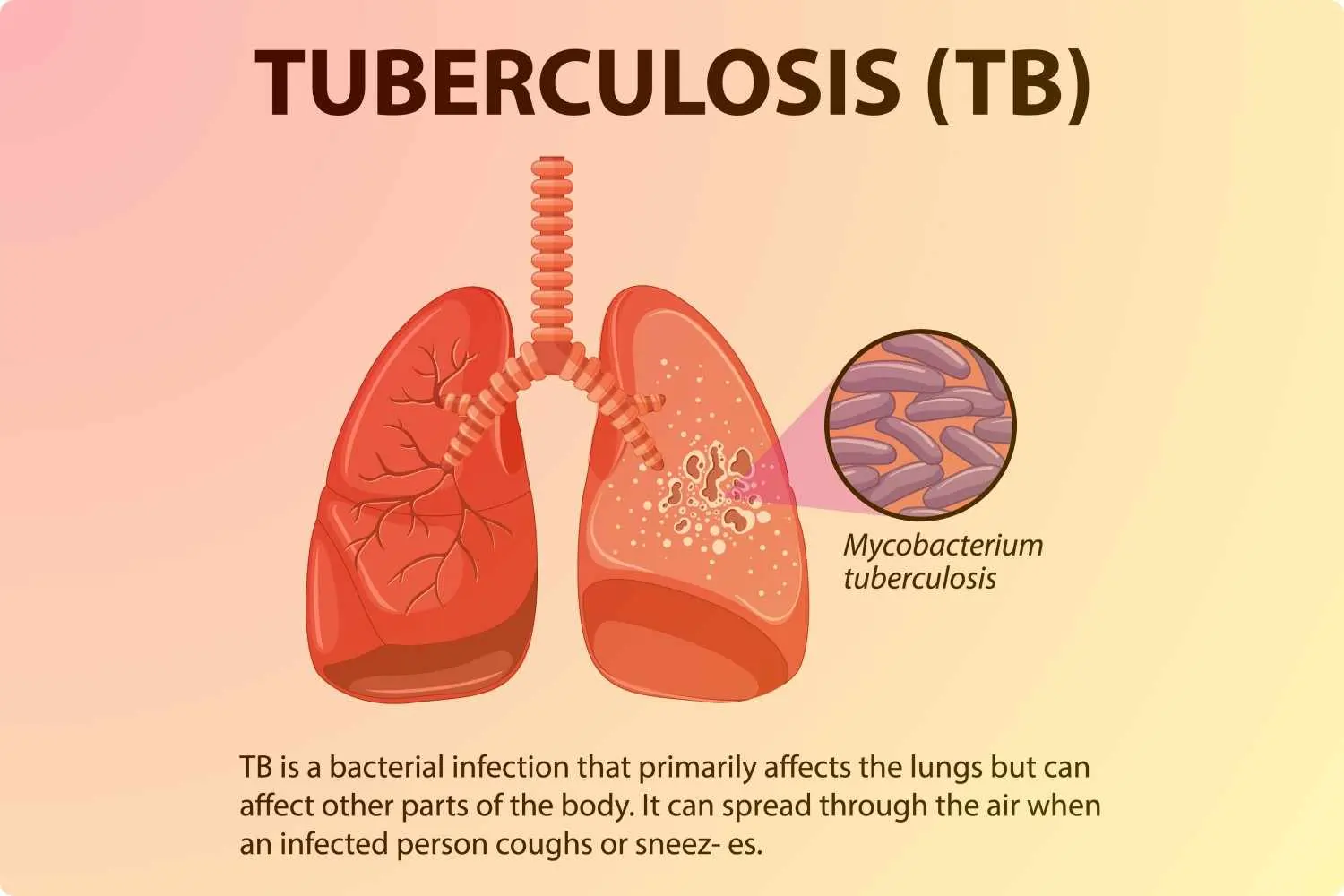
Tuberculosis (TB)
Tuberculosis is caused by a bacterium called Mycobacterium tuberculosis. The bacteria usually attack the lungs, but TB bacteria can attack any part of the body such as the kidney, spine, and brain. Not everyone infected with TB bacteria becomes sick. As a result, two TB-related conditions exist latent TB infection (LTBI) and TB disease. If not treated properly, TB disease can be fatal.
Symptoms
- Persistent cough that lasts 3 weeks or longer
- Pain in the chest
- Coughing up blood or sputum (phlegm from deep inside the lungs)
- Weakness or fatigue
- Weight loss
- Loss of appetite
- Chills, fever, sweating at night
Risk Factors
- Living with the person suffering from active TB
- Unhygienic living conditions
- Poor dietary habits
- Excessive alcoholic and drug consumption
- Diabetes, cancer, and HIV infection
Homeopathic Approach
- Homeopathy is beneficial in tuberculosis. It not only reduces infection but also improves general health and prevents complications and recurrence.
As per the latest research in homeopathy, TB might be caused by a “DEATH FRIGHT CONFLICT” — panic means being able to breathe. A death fright can be experienced in any life-threatening situation, for example, in the course of an accident or during a medical emergency. By far the most common death-fright conflict, however, is brought on by a diagnosis shock (e.g., cancer).
It can be experienced for one’s own life or for the life of others (a family member, beloved friend, or a pet).

Medicine
Homeopathic Medicines :
Tuberculinum Bovinum:
It is suited to individuals who are lean, emaciated, get tired easily, takes longer to recover from illness, and are sensitive to change in weather. Dry, hard cough with profuse sweating and rales, or clicking or rattling lung sounds.
Phosphorus:
Congested lungs with a hard, dry, and hacking cough. Coughing up fresh blood. Rusty, red, pus-like expectoration that worsens in the morning and evening, a feeling of weight on the chest.
Spongia:
Anxiety and exhaustion after the slightest exertion, and a rush of blood to the face and chest. Dry, hacking, barking cough. A sensation of a sore spot in the chest brings on the cough. Extreme dryness of the air passages.
Kali Carb:
Weakness with coldness, weak pulse, and stitching chest pain. Chest pain, which gets worse while lying on the right side. Dry, hoarse cough with stitching pain and dryness of the throat. Cough that worsens at 3 am.