Hemorrhoids or Piles
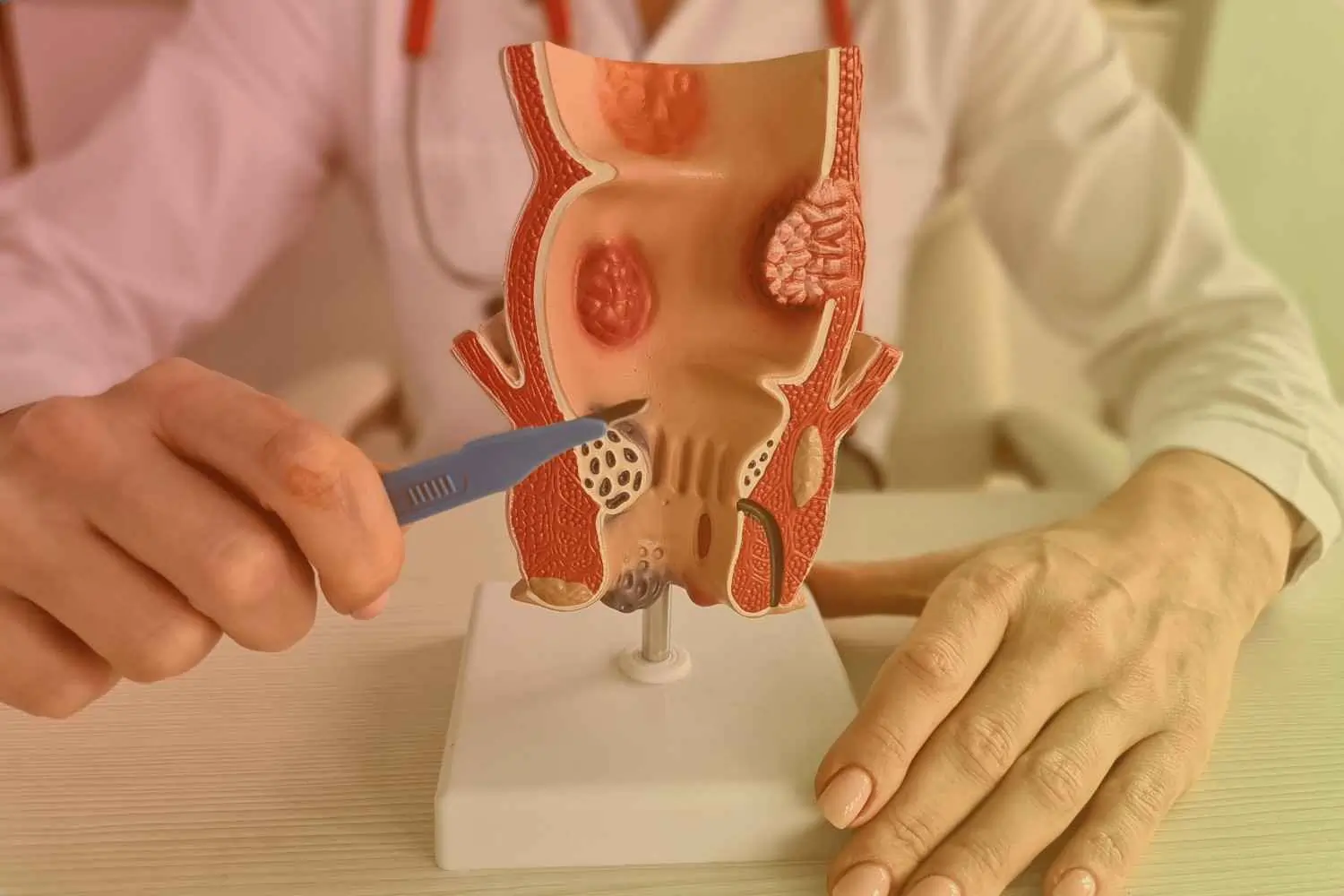
Inflammation or swelling of blood vessels in the anus and rectum is known as piles or hemorrhoids. These enlarged vessels can develop inside the rectum or around the skin of the anal opening.
There may be cases where piles can not exhibit symptoms and it gets hard for a person to realize they have piles. But the enlarged blood vessels may lead to bleeding or pain while passing stool, thus revealing the symptoms of piles. This can be found mainly in people between the age group of 45-65. They usually get better on their own without any treatment but may return after some time as well.
Causes
The root cause of piles or hemorrhoids is still not known but there may be several factors relating to this. Piles create pressure in the blood vessels which are in the anus and rectum of a person causing the blood vessels to swell.
Other factors that can contribute to the development of piles include:
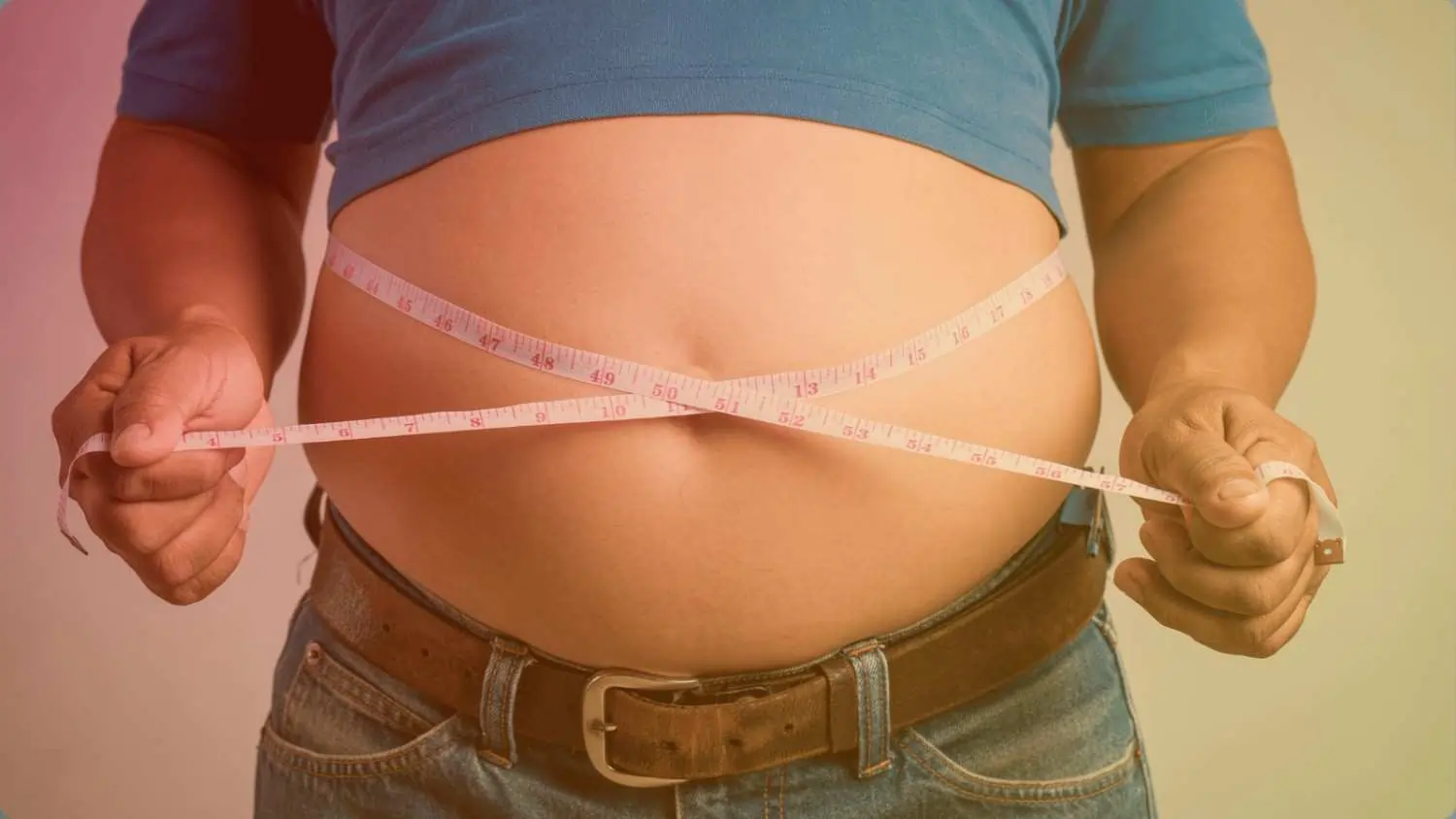
- Obesity: Being overweight increases pressure on the blood vessels, making piles more likely.
- Age: Older adults are more likely to get piles because blood vessels weaken with age.
- Hereditary: Family history can increase your risk of developing piles.
- Pregnancy: Pregnancy puts extra pressure on the blood vessels in the pelvic area.
- Heavy Lifting: Lifting heavy weights often can raise abdominal pressure and cause piles.
- Coughing or Vomiting: Prolonged coughing or frequent vomiting increases pressure inside the abdomen, leading to piles.
- Squatting Down: Sitting or squatting for long periods increases pressure on pelvic blood vessels.
- Bowel Movements: Hard or watery stools can strain vessels and cause piles.
- A Bad Liver: An unhealthy liver can cause fluid buildup, increasing pressure on rectal blood vessels.
- Rectal Cancer: Rare, but can increase the risk of developing piles.
What are the symptoms of piles?
Piles or hemorrhoids may not show any symptoms at all. A person with hemorrhoids may not even have difficulty passing stool. However, piles can present with several symptoms, and more than one may occur at the same time.
Pain or discomfort in the anus or rectal area, especially during or after a bowel movement, is a common symptom of piles. The pain often increases while straining during defecation.
Bright red blood may be noticed on the toilet paper or in the toilet bowl after passing stool. Bleeding is usually painless, but if associated with severe pain, it needs immediate attention.
Swollen or bulging blood vessels (lumps) may protrude through the anus. These may be felt as a lump around the anal region, especially after bowel movements, and may be pushed back inside with a finger or remain outside.
Itching or irritation around the anal region is very common. This may be mild or severe and is often due to mucus discharge or the constant moisture caused by prolapsed piles.
Sometimes, a hard, painful lump may be felt near the anus. This is known as thrombosed piles, where a blood clot forms within the swollen vessel, causing severe pain and swelling.
In case one or more than one symptoms are found in the person, consulting a doctor becomes urgent for such a person. A pile can be torn due to extra pressure and left untreated, thus creating heavy blood loss for the patient.
Types of Piles
According to the symptoms that are found, piles are categorized into three types:
-
External Hemorrhoids: These are found under the skin
around the anus. Signs and symptoms might include:
-Frequent itching or irritation in the anal region.
-Mild pain or discomfort while sitting or squatting.
-Swelling is very common around the anus area.
-There may be some bleeding as well. -
Thrombosed Hemorrhoids: This type of pile is considered
the most severe of all. If blood collects in the external hemorrhoid and
causes clotting, this can result in:
-Severe pain in the pelvic area
-Swelling in the anus
-Inflammation
-A hard lump near the anus - Internal Hemorrhoids: These piles are painless and may not be found. However, there may be some bleeding during bowel movements.

Medicines
Treatment for piles in homeopathy
Homeopathy is known to have a lasting cure for any type of piles without causing any harm. Some of the medicines are
Aesculus hippocastanum:
This remedy is given when hemorrhoids are swollen and itchy. A patient may suffer from lasting pain even hours after a bowel movement. The patient may feel sharp pinching sensations inside the rectum.
Aloes:
It is given to a patient whose hemorrhoid has swollen and is protruding “like a bunch of grapes”. Such hemorrhoids are relieved by cold soaks or compresses.
Graphites:
This medicine is administered when the pain is increased by constipation without urges. Hard stools
Sulphur:
It is given to piles that are itching and burning along with a feeling of fullness and pressure. The anus is found to be swollen and red.
Ratanhia:
It is indicated when patient experience pain throughout the day after passing stools , stools are soft , still pain is there .