Homeopathy Treatment For Anal Fissure
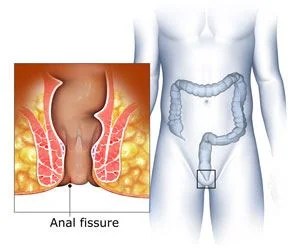
A minor tear or cut in the anus’s lining is known as an anal fissure. Anal fissures are generally really painful and result in bleeding in the long run. The muscles at the end of your rectum are subject to twitching when you are affected by Anal Fissures. The skin crack produces excruciating discomfort.
There are times when the fissure is deep enough to reveal the muscle beneath. Stool softeners and topical painkillers are examples of therapies that might expedite recovery and aid in easing discomfort. The tear usually repairs itself over time. The fissure is regarded as chronic when it lasts longer than six weeks. If these remedies don’t help an anal fissure, surgery can be required. Anal fissures can also be caused by other underlying conditions, which your doctor may need to rule out.
Symptoms
One or more of the symptoms listed below may result from an anal fissure:
- A skin tear that is apparent around your anus might be visible.
- An acute ache during bowel motions in the anal region can be felt.
- A skin tag or little skin bump near the rip may appear.
- Traces of blood on the toilet paper or stools after wiping can be seen.
- The anal region may be scorching or itchy.
If you notice any of these symptoms, consult a doctor promptly and do not ignore them.
Causes
The most frequent cause of an anal fissure is passing firm and large stools. The skin around your anus might also become torn due to chronic constipation or persistent diarrhoea.
However, not all anal fissures indicate constipation or a low-fibre diet. Fissures that don’t heal well or those that aren’t in the posterior and midline region of your anus could be signs of an underlying problem. Additional reasons include:
- Inflammatory bowel diseases such as Crohn's disease or ulcerative colitis
- Other medical conditions causing reduced blood flow to the area
- Sexually transmitted diseases
- Anal trauma from instrumentation or childbirth
Using Homoeopathy to Treat Anal Fissure
Homoeopathy treats the underlying causes of the disease and heals it by addressing the patient’s lifestyle, previous medical history, and mental state in addition to the current symptoms. Additionally, it helps patients to avoid surgery.
The majority of anal fissures will heal on their own without surgery. As exposed sores, anal fissures should be kept dry and clean to promote the body’s natural healing processes. Anti-inflammatory ointments, sitz baths, a high-fibre diet, and plenty of fluids can all help existing fissures heal and stop new ones from forming.
A diet high in fibre can help keep your stools soft and regular. This is essential in avoiding further anal fissures in the future. For most persons, a daily fibre intake of 25 to 35 gms is adequate. It’s important to improve your dietary fibre intake and get lots of fluids each day. This aids in promoting rapid wound healing and softening faeces to make them easier to pass. To enhance your daily consumption, you might want to consider taking fibre supplements.
Auxiliary Care
Anal fissures cannot always be prevented, but you can lower your risk by following these precautions:
- Keep the anal region dry.
- To prevent constipation, gently wash the anal area with mild soap and warm water.
- Avoid fried, greasy, and processed foods.
- Consume more green vegetables and fruits.
- Eat fibrous foods, drink lots of fluids, and exercise frequently.
- Address diarrhoea promptly by treating it.
- If present in newborns, change diapers often.
- Avoid using laxatives, as they can lead to addiction. Prolonged use followed by abrupt discontinuation may result in more severe constipation. Do not rely on them.


Medications
Homoeopathic Medications
A few examples of homoeopathic treatments for anal fissures are graphites, nitric acid, sulphur, Paeonia, silica, and natrum muriaticum. Before using them, seek advice from a homoeopathic physician. These medications are listed below.
Graphite:
It is the best homoeopathic treatment for anal fissures. Fat, overweight, or patients experiencing constipation issues are frequently given this medication’s recommendation. This medication aids in the treatment of the condition as well as soreness when the stool is extremely hard and knotted
Nitric Acid:
When the anus is experiencing stitching, tearing, cutting, or stinging discomfort, nitric acid is helpful. Hard stool and brilliant crimson anus haemorrhage accompany the passing of the stool.
Ratanhia:
This homoeopathic remedy also works to heal anal fissures. This medication aids in the treatment of anal fissure pain. It works particularly well as a treatment for persistent rectum pain that is followed by intense burning. Long lasting pain after stools is there
Paeonia :
This homoeopathic remedy is mostly used to treat discharge brought on by anal fissures. After taking this medication, the patient experiences chilliness around the lower abdomen.
Aesculus :
The dryness, pain, and ache brought on by anal fissures are treated with this homoeopathic medication. Even after passing stool, the anus experiences a burning, stinging, and throbbing pain. Lumbo-sacral pain is there .
Sulphur :
Tears and burning excruciating pain in the anus during passage are brought on by the hard, dry stool. The patient fears even using the restroom because of the discomfort that would come with passing stools. Sulphur is quite beneficial for easing discomfort and softening stools. Burning nearly often goes hand in hand with the pain.
Sedum acre :
Although Sedum Acre is a less popular homoeopathic remedy, it can be quite helpful in relieving and lowering the anal pains of restricting character after stools.