
Parkinson’s
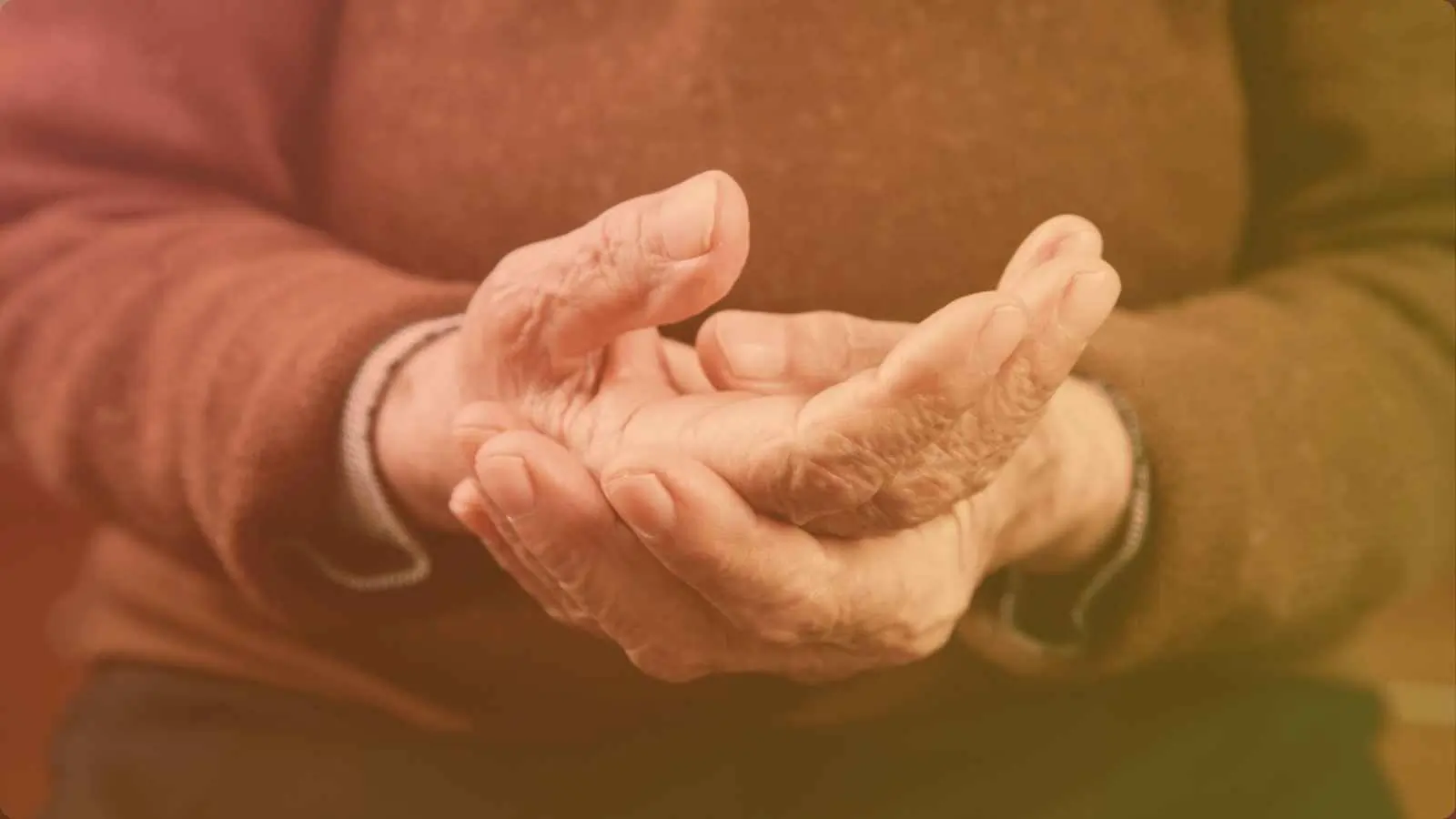
Parkinson’s disease is a progressive neurological movement disorder. The first signs are problems with movement. Symptoms start gradually, sometimes starting with a barely noticeable tremor in just one hand. Tremors are common, but the disorder also commonly causes stiffness or slowing of movement. Parkinson’s disease symptoms worsen as your condition progresses over time. Parkinson’s disease (PD) is a neurodegenerative disorder that affects predominately dopamine-producing (“dopaminergic”) neurons in a specific area of the brain called substantia nigra.
Symptoms
- A tremor, or shaking, usually begins in a limb, often your hand or fingers.
- Slowed movement (bradykinesia).
- Blank facial expression
- A tendency to get stuck when walking
- Muffled, low-volume speech
- Decreased blinking and swallowing
- Tendency to fall backward
- Reduced arm swinging when walking
- Stooped posture
- Rigid muscles.
- Impaired posture and balance.
- Decreased ability to smell (anosmia)
- Constipation
- Small, cramped handwriting
- Voice changes
- Parkinson gait which is the tendency to take shuffling steps while walking
- Flaky white or yellow scales on oily parts of the skin, known as seborrheic dermatitis
- Sleep disturbances including vivid dreams, talking, and movement during sleep
- Psychiatric symptoms like Depression, Anxiety, Hallucinations, Psychosis, problems with attention and memory
- Loss of automatic movements. You may have a decreased ability to perform unconscious movements, including blinking, smiling or swinging your arms when you walk.
Causes:
- Low dopamine levels
- Parkinson’s disease symptoms mainly result from low or falling levels of dopamine neurotransmitter. It happens when cells that produce dopamine die in the brain.
- Low norepinephrine levels
- Autoimmune factors
- In Parkinson’s disease, certain nerve cells (neurons) in the brain gradually break down or die. Many of the symptoms are due to a loss of neurons that produce a chemical messenger in your brain called dopamine. When dopamine levels decrease, it causes abnormal brain activity, leading to impaired movement and other symptoms of Parkinson’s disease.
- Environmental triggers: Exposure to certain toxins or environmental factors
Homeopathy Invention
Motor Conflicts in Parkinson's Disease
According to recent research, the main issue in Parkinson's disease arises from motor conflicts, often experienced as “not being able to move” or “feeling stuck.”
Affected Muscle Groups & Their Emotional Conflicts:
-
Facial Muscles:
Losing face, loss of status, feeling humiliated, ridiculed, or ashamed. -
Neck Muscles:
Feeling unable or not allowed to move or turn the head. -
Shoulder & Back Muscles:
Not being able to get out of the way or step aside. -
Arm Muscles:
Being forcefully held down (e.g., physical or emotional restraint), unable to hold or embrace someone, or defend oneself. -
Hand Muscles:
Unable to hold onto or let go of someone or something important; distress from not being able to grab or work with the hands. -
Leg Muscles:
Not being able to escape, flee, or run away from a stressful situation (such as a workplace or relationship).
Recognizing these underlying emotional and psychological conflicts can be an important aspect of holistic care in homeopathy for Parkinson’s disease. Addressing such root causes, alongside symptom management, is essential for comprehensive treatment.

Homoeopathic Approach
Homoeopathy for Parkinson's Disease
Homoeopathy can help to control the further progression of the disease; symptoms can be minimized. Most importantly, homoeopathy helps to improve the general well-being of the patient, thereby improving patients’ confidence.
Homeopathy Medicines:
Argentum Nitricum
For ataxia (loss of muscle co-ordination), trembling, awkwardness. Cannot walk with eyes closed. Trembling, with general debility. Paralysis, with mental and abdominal symptoms. Rigidity of calves. Debility in calves especially. Walks and stands unsteadily, especially when unobserved.
Causticum
Local paralysis: vocal cords, muscles of deglutition, tongue, eyelids, face, bladder and extremities. Paralysis of single parts. Dull, tearing pain in hands and arms. Heaviness and weakness. Tearing joints. Unsteadiness of muscles of forearm and hand. Numbness; loss of sensation in hands. Contracted tendons. Weak ankles. Cannot walk without suffering.
Cuprum
Jerking, twitching of muscles. Coldness of hands. Cramps in palms. Great weariness of limbs. Cramps in calves and soles. Epilepsy; aura begins in knees. Clenched thumbs. Clonic spasms, beginning in fingers and toes and legs.
Zincum Metallicum
The nervous symptoms of most importance. Defective vitality. Impending brain paralysis. Period of depression in disease. Spinal affections. Twitchings. In chronic diseases with brain and spinal symptoms, trembling, convulsive twitching and fidgety feet are guiding symptoms. Lameness, weakness, trembling and twitching of various muscles.