
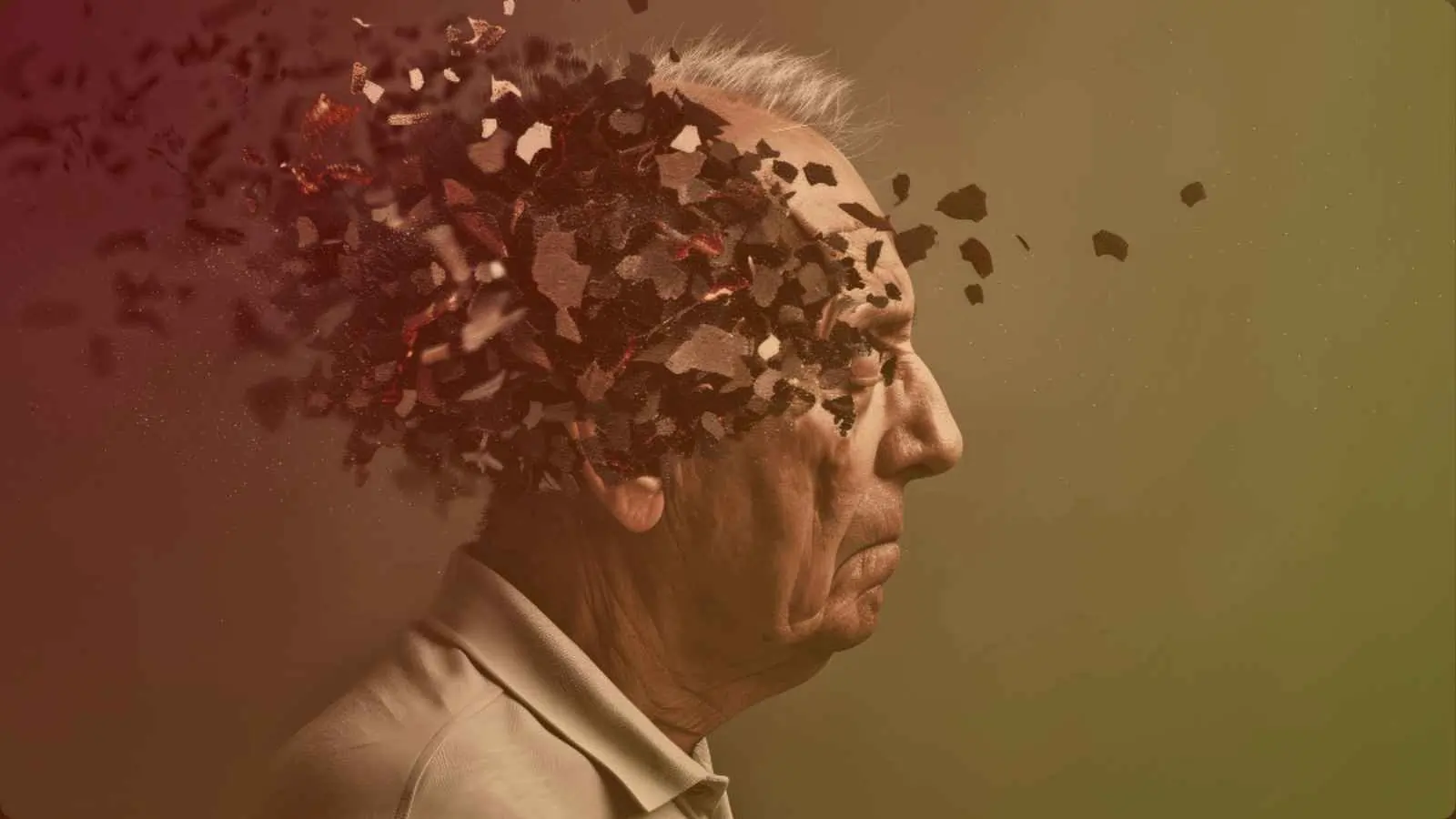
Dementia
Dementia is a general term for loss of memory,thinking and social abilities, severe enough to interfere with your daily routine, language, problem-solving and other thinking abilities that are severe enough to interfere with daily life. Alzheimer’s is the most common cause of dementia.
Symptoms:
Dementia symptoms vary depending on the cause, but common signs and symptoms include:
Cognitive changes:
- Memory loss, which is usually noticed by someone else
- Difficulty communicating or finding words
- Difficulty with visual and spatial abilities, such as getting lost while driving
- Difficulty reasoning or problem-solving
- Difficulty handling complex tasks
- Difficulty with planning and organizing
- Confusion and disorientation
Psychological changes:
- Personality changes
- Depression
- Anxiety
- Inappropriate behavior
- Paranoia
- Agitation
- Hallucinations
Causes:
Dementia is caused by damage to or loss of nerve cells and their connections in the brain. Depending on the area of the brain that’s damaged, dementia can affect people differently and cause different symptoms.
Types of dementias that progress and aren’t reversible include:
-
Alzheimer’s disease:
This is the most common cause of dementia. -
Vascular dementia:
This type of dementia is caused by damage to the vessels that supply blood to your brain. -
Lewy body dementia:
This is one of the more common types of progressive dementia. Common signs and symptoms include acting out one’s dreams in sleep, seeing things that aren’t there (visual hallucinations), and problems with focus and attention. -
Frontotemporal dementia:
This is a group of diseases characterized by the breakdown of nerve cells and their connections in the frontal and temporal lobes of the brain. Common symptoms affect behavior, personality, thinking, judgment, and language and movement. -
Mixed dementia:
Autopsy studies of the brains of people 80 and older who had dementia indicate that many had a combination of several causes, such as Alzheimer’s disease, vascular dementia and Lewy body dementia.
Homeopathic Invention
As per latest research the Biological conflict related to dementia is separation conflict, experienced as a loss of (physical) contact; also, wanting to separate someone.
The concurrence of memory problems and hyperactivity indicates two coinciding constellations: one is related to separation conflicts, the other to conflicts of feeling stuck. Often, the learning difficulties start after the separation from one of the parents or from both, after a move or a change of school involving a separation from schoolmates and friends, after a new sibling was born who gets more attention, after the mother goes back to work, or when the parents constantly argue or are too busy to spend time with their child.
Homeopathy Approach
Homoeopathic medicines are found to be effective for memory loss, cure the condition without any side effects. It helps in regaining confidence which is usually the case in dementia. It improves the quality of life.
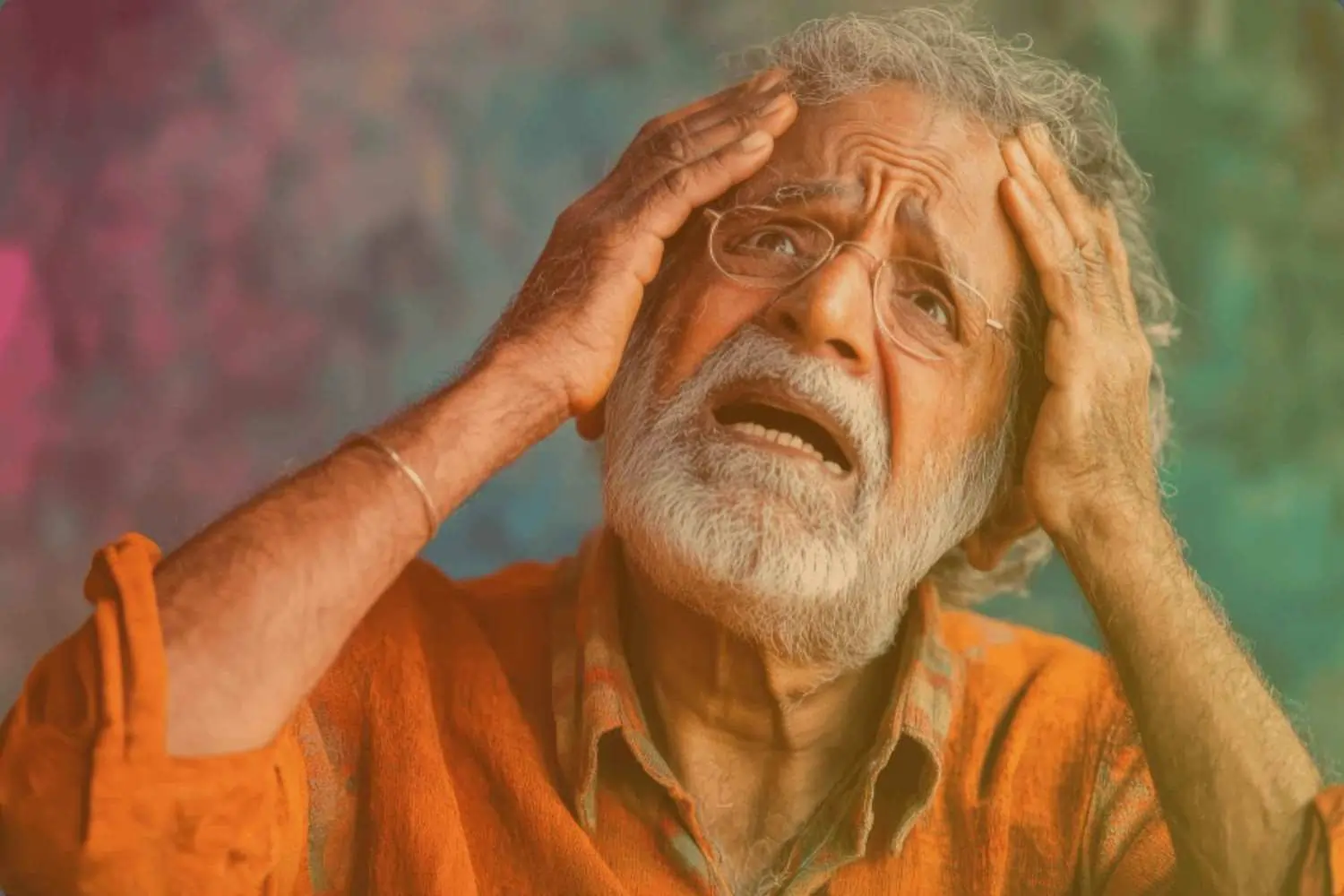

Common Homeopathic Medicines For Dementia
Anacardium Orientale
Anacardium Orientale is one of the top remedies for weak memory and is indicated for sudden loss of memory, especially under stress, lack of confidence, and cruelty. Individuals may become hesitant, forget names, and may feel as if they are going insane.
Baryta Carb
Baryta Carb is an excellent homeopathic remedy for senile dementia. There is progressive mental weakness, forgetfulness while speaking, and the mind seems clouded. The patient tends to forget the words about to be spoken.
Lac caninum
Lac caninum is effective for weak memory and forgetfulness while writing. It is prescribed when a person cannot remember the right words and commits frequent mistakes, using inapplicable words and omitting letters.
Cannabis Indica
Cannabis Indica is effective for weak memory and forgetfulness while talking. The person forgets words in the middle of a conversation and doesn't remember what he/she is about to say.
Medorrhinum
Medorrhinum is indicated for persons who possess a weak memory, especially for names and spellings. The weakness can be so severe the person may forget his or her own name.