
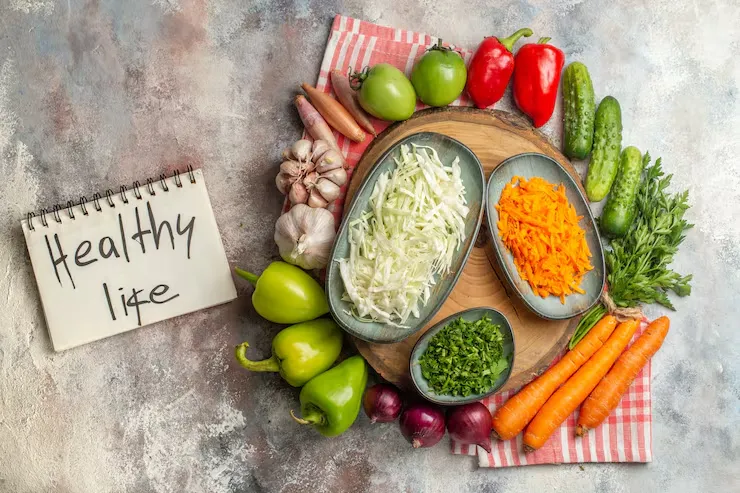

Nutrient food for hair growth means building everyday meals that provide enough protein, iron, zinc, vitamin B12 and overall energy. It is not a single powder, juice or superfood. A varied diet can support normal hair health when low food intake or a nutrient shortfall is part of the reason for shedding.
However, nutrients are only one piece of the picture. Genetics, thyroid disease, PCOS, illness, stress related shedding, scalp conditions, medicines and other causes can affect hair. This guide explains which nutrients matter, where to find them in food and when food or supplements are not the right next step.
Why Hair Growth Is Not About One Vitamin
Hair grows slowly, and the body directs nutrients to essential functions before hair. That is why a short course of a hair vitamin cannot reliably change every type of hair loss. If a person is eating too little, missing protein or has a clinically confirmed deficiency, correcting that gap can be important. If the cause is different, the treatment needs to match the cause.
The sensible goal is to meet nutrition needs through regular balanced meals whenever possible. A clinician may use your symptoms, health history, diet and sometimes blood tests to decide whether low iron, B12, zinc or another issue is relevant. Do not assume that a supplement is needed simply because hair fall is worrying.
Key Nutrients for Healthy Hair
The matrix below is a practical guide to food sources. It does not diagnose a deficiency or recommend a dose. Food choices should fit your dietary pattern, budget, culture, health conditions and any advice from your treating clinician or registered dietitian.
| Nutrient focus | Why it matters | Food sources | Important note |
| Protein | Hair fibres are largely made of keratin, a protein. | Eggs, dal, beans, curd, paneer, tofu, soy, fish, chicken and nuts. |
Include a suitable source at main meals rather than expecting one food to do all the work. |
|
Iron plus vitamin C |
Too little iron can be one possible contributor to hair loss. | Lentils, beans, greens, meat, fish, sesame, lemon, guava, amla, citrus and tomatoes. |
Vitamin C foods can support absorption of plant iron. A deficiency needs individual assessment. |
| Zinc | Zinc is needed for many normal body functions. | Meat, seafood, dairy, eggs, beans, nuts, seeds and whole grains. |
Do not self treat with high dose zinc. It can be harmful or affect other nutrients. |
| Vitamin B12 | Vitamin B12 supports blood and nerve health. | Fish, meat, poultry, eggs, milk, dairy and fortified foods. |
Plant foods do not naturally provide B12 unless fortified. Vegan diets need individual planning. |
|
Overall food intake |
Very low calorie intake can contribute to significant hair loss. | Balanced meals with grains, vegetables, fruit, fats and protein foods. |
Avoid crash diets, repeated meal skipping and rapid weight loss for hair health. |
Protein for Hair Growth
Protein is a basic part of a balanced diet for hair growth because the hair shaft is largely made of keratin. The useful habit is to spread suitable protein foods through the day. Eggs, dal, beans, curd, paneer, tofu, soy foods, fish and chicken are examples, depending on your diet. A breakfast of only tea and biscuits or a lunch of only rice is less likely to provide the range of nutrients a complete meal can offer.
Iron and Vitamin C
Low iron intake or iron deficiency can be associated with hair loss in some people, but hair fall alone cannot tell you whether iron is low. Plant sources include lentils, beans, leafy vegetables and sesame. Pairing them with vitamin C rich foods such as lemon, amla, guava, citrus fruit, tomatoes or capsicum can support absorption of nonheme iron from plant foods. Heavy periods, pregnancy, digestive conditions and other factors can affect iron status, so personal assessment matters.
Zinc and Vitamin B12
Zinc is found in a mix of animal and plant foods, including seafood, meat, dairy, eggs, beans, nuts, seeds and whole grains. Vitamin B12 is naturally found in animal foods, while some fortified foods provide it too. People eating fully plant based diets need careful B12 planning. These nutrients are not a reason to take high dose products without advice. A blood test or dietary review may be more useful than guessing.
Food First Is Usually the Better Starting Point
A food first approach gives you protein, carbohydrates, fats, fibre and many micronutrients together. Try simple combinations: dal with roti and lemon salad, eggs or tofu with vegetables, curd with fruit and seeds, chana with tomatoes, or paneer and greens with rice. This is more sustainable than adding several supplements to an already unbalanced diet.
For 15 everyday food ideas, read our Hair Loss Control Food guide. For a concise food list, visit Best Foods for Hair Growth. These pages are designed to complement this nutrient guide: this article explains the role of nutrients, while the linked articles help readers use food choices in daily meals.
A Simple Way to Build a Nutrient Rich Plate
At lunch and dinner, begin with a protein food, add vegetables, choose a grain or starchy food that suits you, and include a vitamin C food when the meal contains plant iron. For example, a vegetarian plate might include rajma, rice, vegetables and tomato salad. A mixed diet plate might include fish or chicken, roti, vegetables and fruit. There is no need to make every meal perfect. A varied week is more important than one ideal plate.
People who are vegetarian, vegan, lactose intolerant, pregnant, managing diabetes, kidney disease, digestive disease or food allergies may need a tailored plan. A registered dietitian or appropriate clinician can adjust choices safely. Do not copy a general hair diet if it conflicts with your established medical nutrition plan.
When Supplements May Be Discussed
A clinician may discuss supplements when blood tests or a dietary assessment show a deficiency, or when food alone is unlikely to meet a genuine need. That decision should account for your symptoms, medicines, medical history and pregnancy status. Some people need treatment for a confirmed deficiency, while others do not benefit from extra tablets.
Avoid buying high dose iron, zinc, biotin or combination hair supplements based on advertising. Too much of some nutrients can be harmful, and excess intake of certain nutrients has been linked with hair loss. Supplements can also interact with medicines or affect laboratory test results. Ask a qualified clinician before starting them.
When Hair Loss Needs More Than Nutrition
Seek medical assessment for sudden heavy shedding, bald patches, a widening part, scalp pain, burning, scarring, bleeding, scale, signs of infection, eyebrow loss or ongoing hair fall. Tell the clinician about recent illness, surgery, childbirth, major stress, weight change, periods, new medicines and family history. These details may point to a cause that food alone cannot address.
Our hair loss causes and treatment options guide explains diagnosis led next steps. If shedding began after illness, childbirth, surgery, stress or rapid weight loss, read the telogen effluvium guide. If hair thinning occurs with irregular periods, acne or unwanted facial hair, see our PCOS hair fall guide.
What About Homeopathy for Hair Growth
Reliable clinical evidence does not show that homeopathy regrows hair, reverses hereditary thinning or treats the many medical conditions that can cause hair loss. Homeopathic products should not replace medical assessment, evidence based treatment or tests for possible deficiencies, hormonal conditions, scalp disease or other causes.
This page does not recommend homeopathic remedies or self prescribed doses. If you choose to use a complementary product, tell your treating clinician and do not stop prescribed treatment or delay an advised medical evaluation.
How Dr Tathed's Homeopathic Clinic Can Support You
At Dr Tathed's Homeopathic Clinic, you can discuss hair concerns, food routines, scalp care and questions about complementary care. This support does not replace medical assessment for sudden, patchy, painful, scarring or unexplained hair loss, or for symptoms that may suggest a deficiency, hormonal condition, scalp disease or another health concern.
You can book a hair health consultation at Dr Tathed's Homeopathic Clinic in PCMC Pune Chinchwad, Viman Nagar Pune or Thane West.
Conclusion
Nutrient food for hair growth is best understood as a balanced pattern, not a quick fix. Eat enough food, include suitable protein across the day, pair plant iron foods with vitamin C foods and use supplements only when a qualified clinician recommends them. If hair loss is sudden, persistent or changing, identifying the cause is more important than adding another product.
To discuss hair concerns, food habits and complementary health questions, book a consultation with Dr Tathed's Homeopathic Clinic.
Find Your Nearest Homeopathy Clinic
- Homeopathy Clinic in Chinchwad, Pune : Opposite lokmanya hospital, near railway bridge, Renuka Sai Society, Ganesh Nagar, Chinchwad, Pimpri-Chinchwad, Maharashtra 411033
- Homeopathy Clinic in Viman Nagar, Pune : Datta Mandir Chowk, Unit 106, 1st Floor, Lunkad Skymax Mall, Konark Nagar, Clover Park, Viman Nagar, Pune, Maharashtra 411014
- Homeopathy Clinic in Thane West : Office No. 207, JVM’s Corner Stone, Hariniwas Circle, Lal Bahadur Shastri Marg, Naupada, Thane West, Thane, Maharashtra 400602
Frequently Asked Questions
Which nutrient is most important for hair growth
There is no single most important nutrient for every person. Enough overall food, protein, iron, zinc, vitamin B12 and other nutrients all support general health. The right focus depends on your diet and whether a clinician identifies a specific deficiency or another cause of hair loss.
Which foods are rich in nutrients for hair growth
Useful everyday choices include eggs, dals, beans, leafy vegetables, curd, paneer, tofu, soy foods, fish, chicken, fruit, nuts and seeds. Pair plant iron foods such as lentils or greens with vitamin C rich foods such as lemon, amla, guava, oranges or tomatoes.
Can iron deficiency cause hair fall
Low iron can be one possible contributor to hair loss, but hair fall has many causes. Do not take iron on your own. A clinician can decide whether your symptoms and tests suggest iron deficiency and whether treatment is needed.
Do vegans need vitamin B12 for healthy hair
Vitamin B12 is not naturally found in plant foods unless they are fortified. People who eat fully plant based diets should plan reliable B12 sources and seek individual advice about testing or supplements.
Can biotin or zinc supplements regrow hair
No supplement can guarantee hair regrowth. Supplements may be considered when a clinician identifies a deficiency or specific need. Taking high doses without advice can be harmful and may not address the actual cause of hair loss.
Where can I visit Dr Tathed's Homeopathic Clinic for hair nutrition guidance
Dr Tathed's Homeopathic Clinic has locations in PCMC Pune Chinchwad, Viman Nagar Pune and Thane West. Seek medical assessment promptly for sudden bald patches, scalp pain, scarring, signs of infection or other concerning symptoms.
Medical information note: This article is for general education and does not diagnose hair loss or replace personal nutrition and medical advice. Do not start, stop or delay prescribed treatment based on this page.