
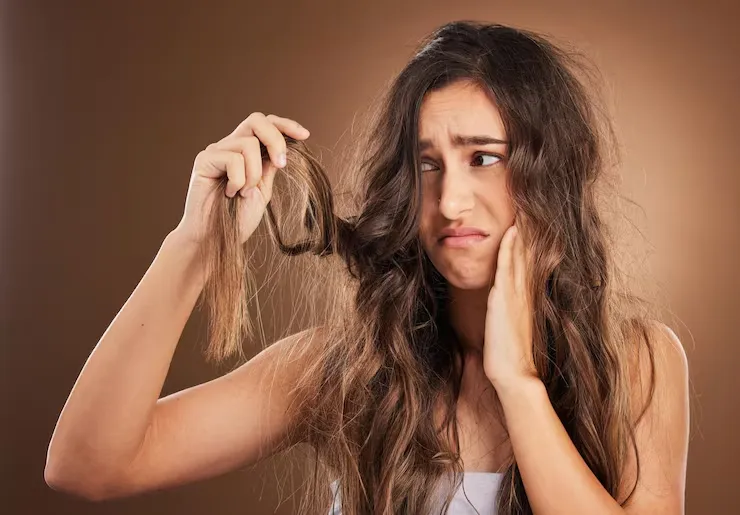

PCOS is commonly associated with irregular periods, acne and unwanted facial hair. But many women experience another frustrating symptom that receives less attention: hair thinning on the scalp.
PCOS hair fall can be especially confusing because the same hormonal imbalance may cause excess hair growth on the face or body while contributing to thinning hair on the scalp.
If your central hair part is becoming wider, your ponytail feels thinner or the top of your scalp is gradually becoming more visible, hormones may be one factor worth investigating.
However, PCOS is not the only reason women lose hair. Iron deficiency, thyroid problems, stress, rapid weight loss, recent illness and hereditary hair loss can produce similar symptoms.
This makes correct diagnosis essential before starting a PCOS hair loss treatment.
What Is PCOS?
Polycystic ovary syndrome, or PCOS, is a hormonal and metabolic condition affecting women of reproductive age.
It can affect ovulation, menstrual cycles, fertility, skin, body hair, weight and metabolic health.
Common features may include:
-
Irregular or missed periods
-
Difficulty with ovulation
-
Acne or oily skin
-
Excess facial or body hair
-
Scalp hair thinning
-
Weight gain or difficulty managing weight
-
Darkening of certain skin areas
-
Fertility difficulties
Not every woman with PCOS experiences every symptom.
PCOS can look quite different from one person to another.
Can PCOS Cause Hair Fall?
Yes. Hair fall due to PCOS can occur, particularly when higher androgen activity influences scalp hair follicles.
Androgens are hormones present in both women and men. Women normally have lower levels, but PCOS may be associated with increased androgen levels or increased sensitivity to them.
This can contribute to a pattern of scalp hair thinning similar to female pattern hair loss. Official women's-health guidance includes thinning scalp hair or male-pattern-type hair loss among recognized PCOS symptoms.
Why Does PCOS Cause Hair Loss?
Several factors may contribute.
Increased Androgen Activity
Androgens can gradually affect susceptible scalp follicles.
Over time, affected follicles may produce finer and shorter hairs.
The change tends to develop gradually rather than causing one sudden completely bald patch.
Insulin Resistance and Metabolic Factors
Insulin resistance is common in PCOS.
It can influence hormone regulation and overall metabolic health.
Managing PCOS therefore involves more than treating the visible hair symptoms alone.
Weight Changes and Restrictive Diets
Women trying to lose weight because of PCOS sometimes follow extremely restrictive diets.
Rapid weight loss or inadequate calorie and protein intake can trigger telogen effluvium, producing additional diffuse shedding on top of existing hormonal thinning.
Nutritional Deficiencies
Iron deficiency and other nutritional problems can contribute to hair-loss concerns independently of PCOS.
A clinician may recommend investigations when symptoms or history suggest deficiency.
Stress
Living with irregular cycles, fertility concerns, acne, unwanted facial hair or weight changes can be stressful.
Severe stress can also contribute to temporary shedding in some individuals.
What Does PCOS Hair Fall Look Like?
PCOS hair fall often appears as gradual thinning rather than one completely bald patch.
Common patterns include:
Widening central part: The line where you part your hair becomes progressively wider.
Reduced density over the crown: More scalp becomes visible at the top of the head.
Thinner ponytail: Overall hair volume feels reduced.
Fine hair: New hairs may become progressively finer and shorter.
Preserved frontal hairline: Some women retain the front hairline while experiencing thinning behind it.
A smooth circular bald patch is less typical and may indicate alopecia areata or another condition.
Other Symptoms That May Suggest PCOS
Hair loss alone does not diagnose PCOS.
Scalp thinning becomes more suggestive when it appears alongside symptoms such as irregular menstrual cycles, acne, excess facial hair, difficulty conceiving, weight-related concerns or darkening of the skin around the neck or other folds.
If you have several of these symptoms, discuss them with a qualified doctor rather than treating only the hair fall.
How Is Hair Fall Due to PCOS Diagnosed?
Diagnosis should address two separate questions:
Do you have PCOS?
and
Is PCOS actually responsible for your hair loss?
This distinction matters because women with PCOS can still develop completely unrelated hair problems.
Evaluation may include:
-
Menstrual history
-
Pattern and duration of hair loss
-
Acne and facial-hair symptoms
-
Family history of hair thinning
-
Weight and metabolic history
-
Pregnancy history
-
Recent fever or illness
-
Current medicines
-
Diet
-
Signs of thyroid or nutritional problems
Depending on the situation, doctors may recommend hormonal, metabolic or nutritional testing.
PCOS Hair Loss Treatment
Treatment depends on the severity of PCOS, degree of scalp thinning, hormonal findings, metabolic health, pregnancy plans and other symptoms.
Book a Consultation for PCOS Hair Loss
Treating the Underlying PCOS
PCOS management can include lifestyle changes and medicines depending on the individual's symptoms and whether pregnancy is desired.
Managing PCOS is important not only for hair but also for menstrual, reproductive and long-term metabolic health.
Medical Treatment for Scalp Hair Loss
A dermatologist may recommend established treatments for female pattern hair thinning, depending on the diagnosis.
Some medicines are not suitable during pregnancy or when trying to conceive, which is why professional advice matters.
Do not start hormonal medicines or hair-loss drugs based solely on online recommendations.
Nutrition and Lifestyle
A balanced diet, regular physical activity and sustainable weight management can support overall PCOS care.
The goal should not be extreme dieting.
Crash diets can worsen shedding by creating an additional stress on the hair-growth cycle.
Can PCOS Hair Grow Back?
It depends on the cause and how advanced the thinning is.
When follicles are still active, treatment may help improve density or reduce further progression.
However, visible hair changes usually take months rather than weeks.
If temporary telogen effluvium is occurring alongside PCOS, that component of shedding may improve after the trigger is corrected.
Earlier evaluation is preferable to waiting until thinning becomes advanced.
PCOS Hair Loss Home Remedies: What Actually Helps?
Home measures can support healthy hair and PCOS management, but they cannot replace medical treatment when there is significant androgen-related hair thinning.
Eat Enough Protein
Include protein regularly through foods such as dal, beans, paneer, curd, tofu, eggs, fish, chicken, nuts and seeds.
Avoid Crash Dieting
Gradual, sustainable dietary changes are preferable to aggressive calorie restriction.
Include Iron-Rich Foods
Lentils, legumes, green leafy vegetables, fortified foods, meat and seafood can contribute dietary iron.
If iron deficiency is suspected, testing may be needed.
Manage Stress and Sleep
Stress does not explain every case of PCOS hair loss, but adequate sleep and stress management support overall health.
Use Gentle Hair Care
Avoid repeatedly pulling hair into very tight ponytails, buns or braids.
Limit unnecessary heat and chemical damage.
Do Not Depend on Hair Oil Alone
Oil may help condition dry hair or reduce friction, but it does not correct the hormonal mechanisms underlying PCOS, A hair oil should therefore not be presented as a PCOS hair loss treatment.
What About Homeopathy for PCOS Hair Fall?
In homeopathic practice, treatment is usually individualized according to the patient's broader symptom pattern.
A consultation may consider menstrual irregularity, hair thinning, acne, stress, sleep, digestive symptoms, general health and other concerns.
However, current reliable scientific evidence has not established homeopathy as a proven treatment for PCOS or PCOS-related hair loss.
Women choosing homeopathic care should therefore continue appropriate medical evaluation for PCOS, hormonal symptoms, fertility concerns and metabolic risk.
Homeopathy should not replace treatments recommended by a gynaecologist, endocrinologist or dermatologist when these are medically indicated.
Discuss Your PCOS Symptoms
How Long Does PCOS Hair Loss Treatment Take to Show Results?
Hair grows slowly.
Even after the underlying hormonal or medical problem is addressed, visible improvement requires patience.
First 3 Months
The focus is generally on diagnosis and addressing relevant hormonal, nutritional or metabolic factors.
Hair may not visibly change immediately.
Around 3 to 6 Months
Some patients may begin noticing reduced shedding or early changes depending on the treatment and underlying cause.
Around 6 to 12 Months
Changes in density are easier to assess over this longer period.
Results vary considerably.
Regular photographs taken under similar lighting can be more useful than daily checking.
The focus is generally on diagnosis and addressing relevant hormonal, nutritional or metabolic factors. For additional information on nutrition and hair health, see our guide to best foods for hair growth and hair regrowth
PCOS Hair Fall vs Telogen Effluvium
These conditions can occur separately or together.
PCOS-related pattern thinning tends to develop gradually and commonly affects the central or upper scalp.
Telogen effluvium generally produces increased diffuse shedding and often follows an event such as illness, severe stress, childbirth or crash dieting.
A woman with PCOS who suddenly loses weight through an extreme diet could potentially experience both.
This is one reason detailed assessment is more useful than assuming every episode of hair fall is caused directly by PCOS.
PCOS Hair Fall vs Alopecia Areata
PCOS hair thinning usually involves gradual reduction in density.
Alopecia areata more commonly causes smooth, clearly defined round or oval patches.
If you suddenly develop a bald patch rather than gradual thinning, seek medical assessment for another possible cause.
When Should You Consult a Doctor?
Consider professional evaluation if:
-
Your periods are frequently irregular
-
Scalp hair is becoming progressively thinner
-
You have increased facial or body hair
-
Acne has become persistent
-
You have difficulty conceiving
-
Hair loss suddenly becomes severe
-
You develop distinct bald patches
-
You experience unexplained weight changes
-
You have fatigue or possible thyroid symptoms
Hair thinning may provide an early reason to investigate a broader hormonal issue.
PCOS and Hair Fall Consultation in Pune, PCMC and Thane
Women looking for an individualized consultation for PCOS hair fall can visit Dr. Tathed's Homeopathy Clinic in Viman Nagar, Pune, Chinchwad in Pimpri-Chinchwad, or Naupada, Thane West. Current clinic locations are listed on the clinic's contact information.
A responsible approach should evaluate the complete health picture, including menstrual history, hormonal symptoms, lifestyle, nutrition and the pattern of hair loss.
Where appropriate, evaluation from a gynaecologist, dermatologist or endocrinologist should be included in the overall care plan.
Visit Our Homeopathy Clinic for PCOS Treatment
- Homeopathy Clinic in Chinchwad, Pune : Opposite lokmanya hospital, near railway bridge, Renuka Sai Society, Ganesh Nagar, Chinchwad, Pimpri-Chinchwad, Maharashtra 411033
- Homeopathy Clinic in Viman Nagar, Pune : Datta Mandir Chowk, Unit 106, 1st Floor, Lunkad Skymax Mall, Konark Nagar, Clover Park, Viman Nagar, Pune, Maharashtra 411014
- Homeopathy Clinic in Thane West : Office No. 207, JVM’s Corner Stone, Hariniwas Circle, Lal Bahadur Shastri Marg, Naupada, Thane West, Thane, Maharashtra 400602
Final Thoughts
Hair fall due to PCOS is not simply a cosmetic concern, It can reflect hormonal changes that also affect menstruation, fertility, skin and metabolic health.
If your hair part is widening or scalp density is gradually reducing alongside irregular periods, acne or unwanted facial hair, consider a complete PCOS evaluation rather than treating only the hair.
Healthy nutrition, sustainable lifestyle changes and gentle hair care are useful supportive measures. However, established medical treatment may be necessary depending on the cause and severity of thinning.
The earlier the underlying problem is identified, the easier it is to make informed decisions about your health and hair.
Frequently Asked Questions
Does PCOS cause hair fall?
Yes. PCOS can be associated with scalp hair thinning or hair loss, particularly through androgen-related hormonal changes.
Can PCOS hair loss grow back?
Improvement may be possible, particularly when the follicles remain active and contributing factors are appropriately managed. Results vary and usually take time.
What is the best PCOS hair loss treatment?
There is no single best treatment. Management depends on the type of hair loss, hormonal symptoms, metabolic health and whether pregnancy is planned.
Are there PCOS hair loss home remedies?
Adequate nutrition, avoiding crash diets, regular physical activity, good sleep and gentle hair care can support overall health, but significant hormonal hair thinning may require medical treatment.
Can PCOS cause both facial hair and scalp hair loss?
Yes. Increased androgen activity can contribute to unwanted facial or body hair while also being associated with thinning scalp hair.
Does losing weight stop PCOS hair fall?
Weight management may form part of PCOS care for some women, but it does not guarantee hair regrowth. Rapid or extreme weight loss can itself trigger temporary hair shedding.
Can homeopathy cure PCOS hair fall?
There is not enough reliable scientific evidence to claim that homeopathy cures PCOS or PCOS-related hair loss. It should not replace appropriate medical evaluation.
References
- PCOS Symptoms and Scalp Hair Thinning
- PCOS, Hormonal Changes and Androgen-Related Symptoms
- PCOS Overview, Diagnosis and Treatment
- Homeopathy: Evidence and Safety Information
- Iron, Nutrition and Dietary Sources
Medical Disclaimer: This information is for educational purposes and does not replace diagnosis or treatment by a qualified medical professional.