
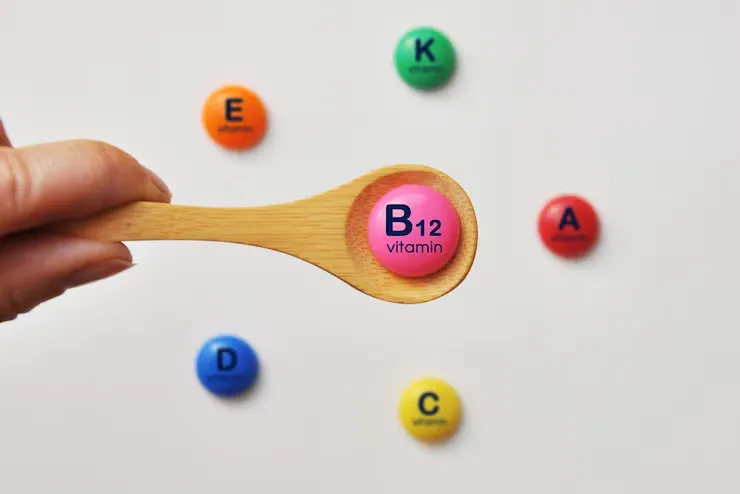

Which vitamin deficiency causes hair fall? The deficiencies most commonly considered during a hair-loss assessment include vitamin D, vitamin B12, folate and, more rarely, biotin. Iron and zinc deficiencies can also contribute to hair shedding, although iron and zinc are minerals, not vitamins.
However, no single vitamin deficiency explains every case of hair fall. Genetics, thyroid problems, PCOS, childbirth, recent illness, rapid weight loss, stress, scalp disease and some medicines can cause similar symptoms.
Taking a random hair vitamin without identifying the cause may waste time and can sometimes be harmful. The safest approach is to assess the pattern of hair loss, review your diet and medical history, and order appropriate blood tests when indicated.
Quick Answer: Hair Loss Is Caused by Deficiency of Which Vitamin?
Vitamin D and vitamin B12 deficiencies may be associated with hair shedding in some people. True biotin deficiency can cause thinning, but it is uncommon.
Iron deficiency, low ferritin, zinc deficiency, insufficient protein and very low calorie intake may also contribute to hair loss.
The important point is that an association does not prove the deficiency is causing your hair fall. A blood test and clinical assessment may be needed before treatment is started.
How Can a Nutritional Deficiency Cause Hair Fall?
Hair follicles are among the body’s active tissues. They need adequate energy, protein, vitamins and minerals to support the normal hair-growth cycle.
When the body is not receiving or absorbing enough nutrients, it may prioritise essential organs over hair growth. A larger number of hairs can then move from the growing phase into the resting and shedding phase.
This can result in diffuse hair shedding, meaning hair falls from across the scalp instead of creating one clearly defined bald patch.
Nutritional hair loss may be more likely after:
- A restrictive or very low calorie diet
- Rapid weight loss
- Prolonged illness
- Poor appetite
- Heavy menstrual bleeding
- Pregnancy or childbirth
- Bariatric or digestive surgery
- Vegan or vegetarian diets without proper planning
- Digestive conditions that affect nutrient absorption
- Long-term use of certain medicines
Explore Hair Fall and Alopecia Treatment
Nutrients Commonly Checked in Hair Fall
| Nutrient | Possible Connection With Hair Fall | Other Possible Signs |
|---|---|---|
| Iron and ferritin | Low iron stores may contribute to diffuse shedding | Fatigue, weakness, pale skin, breathlessness |
| Vitamin D | Low levels have been observed with some hair-loss conditions | Bone pain, muscle weakness, fatigue |
| Vitamin B12 | A deficiency may affect rapidly dividing cells and overall health | Tiredness, numbness, mouth ulcers, anaemia |
| Folate | Severe deficiency may contribute to anaemia and poor tissue growth | Fatigue, weakness, mouth sores |
| Zinc | Severe deficiency can cause hair loss and skin changes | Poor wound healing, altered taste, reduced appetite |
| Biotin | True deficiency can cause thinning and body-hair loss | Skin rash, brittle nails, neurological symptoms |
| Protein | Inadequate intake can trigger diffuse shedding | Muscle loss, weakness, poor recovery |
| Vitamin C | Helps the body absorb plant-based iron | Bleeding gums, slow wound healing in severe deficiency |
These signs are not specific to nutrient deficiency. They can also occur with other health conditions.
1. Iron Deficiency and Hair Loss
Iron deficiency is one of the most important nutritional issues considered when someone has diffuse hair shedding. Iron helps the body make haemoglobin, which carries oxygen through the blood.
Ferritin is a protein that stores iron. A person may have low iron stores before severe anaemia develops, which is why a doctor may consider both a complete blood count and ferritin test.
Iron deficiency may be more likely in people with:
- Heavy or prolonged periods
- Pregnancy
- Recent childbirth
- A vegetarian or vegan diet without adequate planning
- Frequent blood donation
- Digestive bleeding
- Poor iron absorption
- A restrictive diet
Possible symptoms include hair fall, fatigue, weakness, dizziness, pale skin and shortness of breath.
Do not start an iron supplement only because your hair is falling. Excess iron can cause digestive problems and, in large amounts, serious toxicity. The reason for low iron also needs to be identified, especially if it may be related to heavy bleeding or digestive blood loss.
2. Vitamin D Deficiency and Hair Loss
Vitamin D is involved in several body functions, including immune regulation and the normal activity of hair follicles.
Low vitamin D levels have been observed in some people with diffuse hair loss, alopecia areata and other hair-loss patterns. However, a low level does not automatically prove that vitamin D deficiency is the only cause.
A doctor may consider a vitamin D test if hair fall occurs alongside:
- Limited sunlight exposure
- Bone or muscle pain
- General weakness
- Repeated low vitamin D results
- Dietary risk factors
- A medical condition affecting absorption
- Symptoms suggesting an autoimmune hair-loss condition
If a deficiency is confirmed, the dose and duration of supplementation should be based on the test result and medical advice. Taking very high doses without monitoring can cause harmful calcium changes.
3. Vitamin B12 Deficiency Hair Loss
Vitamin B12 supports red blood cell formation, nerve health and DNA production. Because it is involved in cell development, low B12 levels may be considered during an assessment of unexplained hair fall.
People at higher risk of vitamin B12 deficiency include:
- Vegans without fortified foods or supplements
- People consuming very little animal food
- Older adults
- People with digestive absorption problems
- Patients who have undergone stomach or intestinal surgery
- People taking certain medicines for long periods
Possible signs include:
- Fatigue
- Weakness
- Numbness or tingling
- A painful or smooth tongue
- Mouth ulcers
- Memory or concentration changes
- Anaemia
Vitamin B12 deficiency should be confirmed and treated appropriately. Supplementing B12 when levels are already adequate does not guarantee faster hair growth.
4. Zinc Deficiency Hair Loss
Zinc is involved in cell growth, immune function and tissue repair. Significant zinc deficiency can contribute to hair loss and skin changes.
People may be at greater risk if they have:
- A highly restrictive diet
- A digestive or absorption disorder
- Chronic diarrhoea
- Poor overall food intake
- Increased nutritional requirements
Other possible symptoms include slow wound healing, appetite changes, skin irritation and altered taste or smell.
Too much zinc can interfere with copper absorption and cause other health problems. Zinc supplements should therefore not be taken indefinitely without professional advice.
5. Can Biotin Deficiency Cause Hair Fall?
Biotin is often marketed as a hair-growth vitamin, but true biotin deficiency is uncommon.
A genuine deficiency can cause:
- Thinning hair
- Loss of body hair
- Brittle nails
- A scaly rash around the eyes, nose or mouth
- Neurological symptoms in severe cases
Most people obtain adequate biotin from a varied diet. Taking high-dose biotin when there is no deficiency has not been proven to correct every form of hair loss.
High-dose biotin can also interfere with laboratory tests, including tests for thyroid function, vitamin D and some heart-related markers. Tell your doctor and testing laboratory if you take a biotin supplement.
6. Folate and Hair Health
Folate, also known as vitamin B9, helps with cell division and red blood cell formation.
Severe folate deficiency can contribute to anaemia and general weakness. It may be considered when hair fall occurs alongside poor dietary intake, digestive problems or another nutritional deficiency.
Folate and vitamin B12 need to be interpreted carefully. Taking folic acid without recognising a vitamin B12 deficiency can mask some blood-related signs while neurological problems continue.
7. Protein and Low Calorie Intake
Protein is not a vitamin, but inadequate protein is an important nutritional cause of hair shedding.
Hair fibres are mainly made of keratin, a protein. Very low protein intake, prolonged fasting, rapid weight loss and crash diets can push more hair into the shedding phase.
Practical protein sources include:
- Eggs
- Fish and chicken
- Milk, curd and paneer
- Dal and pulses
- Beans and chickpeas
- Tofu and soy products
- Nuts and seeds
A protein powder is not automatically necessary. Most people should first focus on balanced meals containing enough total calories and suitable protein sources.
Can Too Many Vitamins Cause Hair Loss?
Yes. More is not always better.
Excessive intake of certain nutrients, including vitamin A, vitamin E and selenium, has been associated with hair loss. Too much iron or zinc can also cause significant health problems.
This is why taking multiple hair supplements together can be risky. Different products may contain the same ingredients, leading to an unexpectedly high total dose.
Check the labels of:
- Hair gummies
- Multivitamins
- Skin, hair and nail supplements
- Protein powders with added vitamins
- Individual vitamin capsules
- Fortified drinks
What Vitamin Deficiency Causes Hair Loss in Females?
In women, iron deficiency and low ferritin are important possibilities, particularly when hair fall occurs with heavy periods, pregnancy, childbirth or a restrictive diet. Vitamin D, B12, folate and zinc may also be assessed based on symptoms and risk factors.
However, female hair loss is not always caused by a deficiency. Other common possibilities include:
- Female pattern hair loss
- PCOS and hormonal imbalance
- Thyroid disorders
- Postpartum hair shedding
- Stress-related telogen effluvium
- Alopecia areata
- Scalp inflammation
- Tight hairstyles
- Certain medicines
Women experiencing irregular periods, acne, weight changes or increased facial hair alongside hair thinning may need hormonal and PCOS assessment.
Which Tests May Be Recommended for Hair Fall?
Not every patient needs every available test. The doctor should choose tests based on the pattern of hair loss, diet, symptoms and medical history.
Tests that may be considered include:
- Complete blood count
- Serum ferritin
- Iron studies
- Vitamin B12
- Folate
- Vitamin D
- Thyroid function tests
- Zinc, when deficiency is suspected
- Hormonal tests, when clinically appropriate
A scalp examination, hair-pull test or dermatologist assessment may also be needed. Round bald patches, inflammation or scarring cannot be diagnosed through a vitamin blood test alone.
Do Hair Vitamins Stop Hair Fall?
Hair vitamins may help when a confirmed deficiency or inadequate dietary intake is contributing to hair loss.
They are unlikely to correct hair fall caused by:
- Hereditary pattern hair loss
- Alopecia areata
- Thyroid disease
- PCOS
- Scalp infection
- Severe dandruff or dermatitis
- Medication side effects
- Tight hairstyles
- Scarring alopecia
If your nutrient levels are normal, taking higher doses does not necessarily produce thicker or faster-growing hair.
For practical food guidance, read our articles on hair loss control foods and nutrient foods for hair growth.
Foods That Support Healthy Hair Nutrition
A balanced Indian diet can help provide the nutrients required for normal hair health.
Foods Containing Iron
- Lentils and beans
- Leafy green vegetables
- Sesame seeds
- Eggs
- Fish and lean meat
- Iron-fortified cereals
Pair plant-based iron foods with vitamin C sources such as lemon, amla, guava, oranges, tomatoes or capsicum to support absorption.
Foods Containing Vitamin B12
- Eggs
- Milk and curd
- Paneer
- Fish
- Chicken and meat
- Fortified plant-based foods
People following a fully plant-based diet may need professional guidance about reliable B12 sources.
Foods Containing Zinc
- Pumpkin seeds
- Sesame seeds
- Chickpeas
- Lentils
- Nuts
- Eggs
- Dairy products
- Fish and meat
Foods Containing Vitamin D
Few foods naturally contain large amounts of vitamin D. Sources may include fatty fish, egg yolk and fortified foods.
Food and sunlight alone may not correct a significant deficiency. Treatment should be based on medical advice.
When Hair Fall Is Probably Not Only a Vitamin Problem
Consider a broader medical assessment if you notice:
- A widening part or gradual crown thinning
- A receding hairline
- Round or sharply defined bald patches
- Sudden heavy shedding after fever or illness
- Hair loss after childbirth
- Scalp pain, burning or tenderness
- Thick scaling, redness or pus
- Loss of eyebrows or eyelashes
- Smooth or shiny areas suggesting scarring
- Broken hairs of different lengths
Sudden shedding after illness, emotional stress, surgery or rapid weight loss may be telogen effluvium, while clearly defined bald patches may require evaluation for alopecia areata.
When Should You See a Doctor?
Arrange a medical assessment if:
- Hair fall continues for more than a few weeks
- Hair density is visibly decreasing
- You develop bald patches
- Your scalp is painful, inflamed or infected
- Hair loss follows a new medicine
- You have fatigue, weakness or breathlessness
- You have heavy periods
- You recently experienced rapid weight loss
- You are pregnant or breastfeeding
- Hair loss is affecting your confidence or mental health
Seek prompt dermatology care for rapidly progressing loss, scalp scarring, severe inflammation or signs of infection.
How Dr. Tathed’s Homeopathic Clinic Can Support You
At Dr. Tathed’s Homeopathic Clinic, a hair-fall consultation can review:
- The pattern and duration of hair loss
- Diet and recent weight changes
- Illness, fever or surgery
- Menstrual and hormonal history
- Pregnancy and childbirth
- Stress and sleep
- Scalp symptoms
- Haircare practices
- Family history
- Current medicines and supplements
- Previous blood-test results
When necessary, patients may be advised to obtain relevant blood tests or consult a dermatologist. Confirmed iron, vitamin D, B12 or other deficiencies require appropriate nutritional or medical correction.
Homeopathy should be considered optional complementary care. Evidence that homeopathy can correct a nutrient deficiency or regrow hair is limited. It should not replace supplementation for a confirmed deficiency, dermatologist-led treatment or medical investigation.
Learn more about the clinic’s approach to hair fall and alopecia treatment.
Get Your Hair Fall Properly Assessed
If ongoing hair fall is affecting your confidence, avoid starting multiple supplements without understanding the cause. Dr. Tathed’s Homeopathic Clinic offers personalised hair-fall assessments at:
- Clinic in Chinchwad, Pune : Opposite lokmanya hospital, near railway bridge, Renuka Sai Society, Ganesh Nagar, Chinchwad, Pimpri-Chinchwad, Maharashtra 411033
- Clinic in Viman Nagar, Pune : Datta Mandir Chowk, Unit 106, 1st Floor, Lunkad Skymax Mall, Konark Nagar, Clover Park, Viman Nagar, Pune, Maharashtra 411014
- Clinic in Thane West : Office No. 207, JVM’s Corner Stone, Hariniwas Circle, Lal Bahadur Shastri Marg, Naupada, Thane West, Thane, Maharashtra 400602
For a detailed evaluation, book a hair fall consultation with Dr. Tathed’s Homeopathic Clinic.
Conclusion
Vitamin D, B12, folate and rare biotin deficiency may contribute to hair fall, while low iron, ferritin, zinc, protein and calorie intake are also important nutritional considerations.
However, hair fall is not always a vitamin problem. Genetics, hormones, thyroid disease, stress, illness, childbirth, medicines and scalp conditions can produce similar symptoms.
Instead of taking random hair supplements, identify the pattern, review possible triggers and seek testing when appropriate. Treating the actual cause is more useful than taking every vitamin associated with hair growth.
Frequently Asked Questions
Which vitamin deficiency causes the most hair fall?
There is no single vitamin responsible for all hair fall. Vitamin D, B12, folate and rare biotin deficiency may be relevant. Iron deficiency and low ferritin are also important possibilities, although iron is a mineral.
Does vitamin D deficiency cause hair fall?
Low vitamin D has been associated with some hair-loss conditions, but it does not prove vitamin D is the only cause. A blood test and clinical assessment can determine whether treatment is needed.
Can vitamin B12 deficiency cause hair loss?
Vitamin B12 deficiency may contribute to poor overall health and may be considered during an assessment of diffuse hair shedding. Supplementing B12 without a deficiency does not guarantee hair regrowth.
Can low ferritin cause hair fall?
Low ferritin indicates reduced iron stores and may be associated with diffuse shedding in some people. The result should be interpreted with other blood tests, symptoms and medical history.
Should I take biotin for hair fall?
Do not assume that all hair fall requires biotin. True biotin deficiency is uncommon, and high-dose biotin can interfere with several medical blood tests.
How long does hair take to recover after treating a deficiency?
Hair recovery is gradual because the hair-growth cycle takes time. Improvement may take several months after the deficiency and its underlying cause are appropriately treated. The timeline varies between patients.
Which foods are good for vitamin-related hair fall?
A balanced diet containing adequate protein, iron-rich foods, vitamin C, B12 sources, zinc sources and sufficient calories can support hair health. Food alone may not correct a significant deficiency.
Can homeopathy correct vitamin deficiency?
Homeopathy is not a substitute for correcting a confirmed nutrient deficiency. If testing shows low iron, B12, vitamin D or another deficiency, appropriate food, supplementation or medical treatment may be needed.
How does Dr. Tathed’s Homeopathic Clinic assess hair fall?
Dr. Tathed’s Homeopathic Clinic reviews the hair-loss pattern, scalp condition, diet, stress, medical history, menstrual or hormonal factors, medicines and previous reports. Blood testing or dermatology referral may be recommended when appropriate. Consultations are available in Chinchwad PCMC-Pune, Viman Nagar and Thane West.
References -
- Review of vitamins and minerals in hair loss
- Hair-loss diagnosis, blood testing and supplements
- Nutrition and supplement precautions for hair loss
- Biotin deficiency and supplement safety
- Iron information for healthcare professionals
- Vitamin B12 information for healthcare professionals
- Vitamin D information for healthcare professionals
- Zinc information for healthcare professionals
Medical note: This article is for general education. It does not diagnose the cause of hair loss or replace advice from a dermatologist, physician or qualified healthcare professional. Do not start high-dose supplements or stop prescribed treatment without medical guidance.