
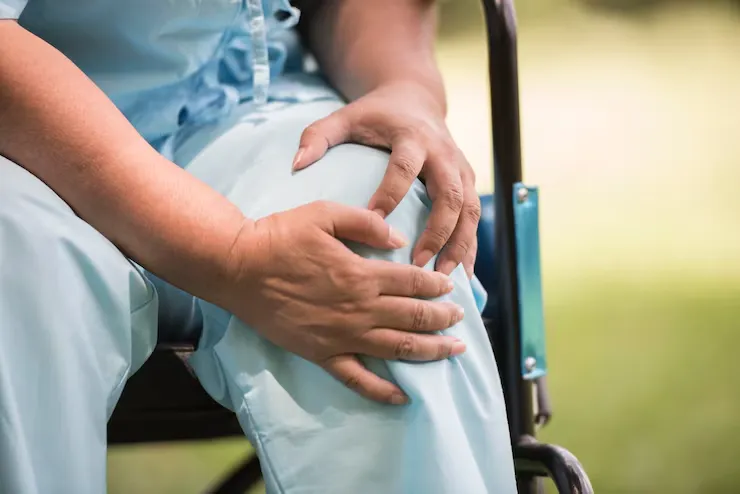

Knee pain can make everyday activities such as walking, climbing stairs, sitting down or getting out of bed uncomfortable. Some people develop pain after an injury, while others notice stiffness and aching without remembering any specific incident.
Understanding the possible knee joint pain causes is important because treatment depends on what is affecting the joint. Mild overuse pain may settle with activity modification and guided exercise, while persistent swelling, instability or severe pain may need a medical assessment.
This guide explains the common reasons for knee pain, how the location of pain may offer useful clues, available treatment options and the symptoms that should not be ignored.
Consult for Persistent Joint Pain
What Is Knee Joint Pain?
Knee joint pain is discomfort felt inside or around the knee. It may involve the bones, cartilage, ligaments, tendons, muscles, bursa or other tissues surrounding the joint.
The pain may be:
- Sudden or gradual
- Mild, moderate or severe
- Present in one knee or both knees
- Worse while walking, bending or climbing stairs
- Associated with stiffness, swelling or weakness
- Constant or limited to particular activities
Knee pain is a symptom rather than a diagnosis. The correct treatment depends on whether the pain is caused by an injury, mechanical strain, arthritis, inflammation, infection or another health condition.
Common Symptoms Associated With Knee Pain
Knee joint pain may occur with one or more of the following symptoms:
- Swelling around the knee
- Morning stiffness
- Redness or warmth
- Pain while bending or straightening the leg
- Clicking, grinding or popping sensations
- Difficulty climbing stairs
- Pain after sitting for a long time
- Weakness or a feeling that the knee may give way
- Reduced range of movement
- Locking of the knee
- Difficulty standing or walking
- Tenderness when the knee is touched
Painless clicking can occur in healthy knees. Clicking accompanied by pain, locking, swelling or instability should be assessed.
What Are the Most Common Knee Joint Pain Causes?
The reason for knee joint pain varies according to age, activity level, medical history and the way symptoms started.
1. Osteoarthritis
Osteoarthritis is a common cause of knee pain, particularly in middle-aged and older adults. It develops when the cartilage that cushions the joint changes over time.
Possible symptoms include:
- Pain that increases with activity
- Stiffness after rest
- Reduced knee movement
- Grinding or cracking sensations
- Mild or moderate swelling
- Difficulty climbing stairs or rising from a chair
People experiencing these symptoms can learn more about osteoarthritis and its treatment options.
2. Ligament Injuries
The knee contains ligaments that help maintain stability. A sudden twist, fall, sports injury or change in direction can stretch or tear one of these ligaments.
A ligament injury may cause:
- Sudden pain
- Rapid swelling
- A popping sensation during the injury
- Instability while standing
- Difficulty putting weight on the leg
A knee that repeatedly gives way after an injury should be evaluated by a healthcare professional.
3. Meniscus Injury
The meniscus is a piece of cartilage that helps absorb pressure inside the knee. It can be injured during twisting movements, squatting or sports. Degenerative meniscus changes can also develop gradually with age.
Symptoms may include:
- Pain along the inner or outer joint line
- Swelling
- Pain during twisting
- Difficulty fully straightening the knee
- Catching or locking
4. Patellofemoral Pain
Pain around or behind the kneecap is often associated with patellofemoral pain. It can affect runners, active adults and people who suddenly increase their exercise levels.
Pain may become worse while:
- Using stairs
- Squatting
- Running
- Kneeling
- Sitting with bent knees for a long time
Muscle weakness, training errors and changes in the way the kneecap moves may contribute to this condition.
5. Tendonitis
Tendons connect muscles to bones. Repetitive running, jumping or sudden increases in physical activity can irritate the tendons around the knee.
Patellar tendon pain is usually felt between the kneecap and the shin. It is common among people involved in running and jumping activities.
6. Bursitis
A bursa is a small fluid-filled sac that reduces friction around a joint. Repeated kneeling, direct pressure, injury or infection can irritate a bursa around the knee.
Bursitis may cause swelling, tenderness and pain during bending or kneeling.
7. Rheumatoid Arthritis and Other Inflammatory Conditions
Rheumatoid arthritis is an autoimmune condition that can affect several joints. It commonly produces prolonged morning stiffness, swelling and symmetrical joint pain.
Unlike osteoarthritis, inflammatory arthritis may also cause fatigue, reduced appetite or a general feeling of being unwell.
Read the detailed guide to arthritis meaning, causes and different types for a clearer comparison.
8. Gout
Gout can cause a sudden attack of intense joint pain. Although it frequently affects the big toe, it can also affect the knee.
The knee may become:
- Extremely painful
- Hot
- Red
- Swollen
- Sensitive to touch
A first episode of a suddenly hot and swollen knee needs prompt medical evaluation because infection can produce similar symptoms.
9. Joint Infection
An infection inside the knee joint can cause severe pain, swelling, warmth, reduced movement and fever. This requires urgent medical attention.
Do not try to manage a hot, swollen and painful knee with home remedies alone, particularly if you also have fever, chills or feel unwell.
10. Muscle Weakness and Overuse
A rapid increase in walking, running, gym exercises or physical work can overload the knee. Weak thigh, hip or calf muscles may also change how pressure travels through the joint.
This type of pain may appear after activity and improve with suitable rest and gradual rehabilitation.
11. Pain Referred From the Hip or Back
Not all pain felt near the knee begins in the knee itself. Problems affecting the hip, lower back or nerves can sometimes produce pain that travels towards the thigh or knee.
Numbness, tingling, back pain or pain extending below the knee can help a doctor identify whether nerves may be involved.
What Does the Location of Knee Pain Suggest?
The location of pain can help guide an examination, but it cannot confirm the diagnosis by itself.
| Location of pain | Possible causes |
|---|---|
| Front of the knee | Patellofemoral pain, tendon irritation or kneecap-related problems |
| Inner side of the knee | Meniscus injury, ligament strain, bursitis or osteoarthritis |
| Outer side of the knee | Iliotibial band irritation, ligament strain or meniscus problems |
| Behind the knee | Muscle or tendon strain, a fluid-filled cyst or referred pain |
| Deep inside the joint | Osteoarthritis, inflammatory arthritis or cartilage injury |
| Pain in both knees | Osteoarthritis, inflammatory conditions, muscle weakness or activity-related strain |
Because different problems can produce similar symptoms, persistent pain should not be diagnosed only from its location.
Acute Knee Pain Versus Persistent Knee Pain
Acute knee pain
Acute pain starts suddenly. It may follow a fall, twist, sports injury or unusual physical activity.
It should be assessed promptly if it causes:
- Immediate or severe swelling
- Inability to walk
- Visible deformity
- Instability
- Locking
- Severe pain
Persistent knee pain
Persistent pain develops gradually or continues for several weeks. Common contributors include osteoarthritis, inflammatory arthritis, tendon problems, muscle weakness and repeated physical strain.
An evaluation is advisable if the pain is getting worse, disturbing sleep or limiting daily activities.
How Is the Cause of Knee Pain Diagnosed?
A healthcare professional may ask:
- When did the pain begin?
- Was there an injury?
- Where is the pain located?
- What activities make it worse?
- Does the knee swell, lock or give way?
- How long does morning stiffness last?
- Are other joints affected?
- Do you have fever, fatigue or unexplained weight loss?
- Have you previously had gout, arthritis or an autoimmune condition?
The examination may include checking swelling, tenderness, movement, strength, stability and walking pattern.
Depending on the suspected cause, the doctor may recommend:
- An X-ray
- MRI or ultrasound
- Blood tests
- Joint fluid analysis
- Referral to an orthopaedic doctor or rheumatologist
- Physiotherapy assessment
Not every person with knee pain needs a scan. Imaging should be selected according to the symptoms and examination findings.
Knee Joint Pain Treatment Options
The treatment of knee joint pain should address the underlying cause, not only the pain.
Activity modification
Avoid activities that sharply increase pain, especially after a recent injury. Complete inactivity for a prolonged period can lead to stiffness and muscle weakness, so movement should usually be resumed gradually when it is safe.
Cold or warm application
For a recent injury or swelling, a wrapped cold pack may be used for up to 15 to 20 minutes at a time. Do not place ice directly on the skin.
Warmth may feel helpful for chronic stiffness, but it should not be applied to a hot, red or significantly swollen joint until infection or acute inflammation has been ruled out.
Physiotherapy and exercise
A physiotherapist can recommend exercises for the thigh, hip and surrounding muscles. A suitable programme may help improve strength, flexibility, balance and joint function.
Exercises must be matched to the diagnosis. A movement that is appropriate for osteoarthritis may not be suitable immediately after a ligament or meniscus injury.
Weight management
The knees are weight-bearing joints. If someone is living with overweight or obesity, gradual and sustainable weight reduction may reduce pressure on the knees and improve physical function.
Medication
A doctor or pharmacist may recommend pain-relieving or anti-inflammatory treatment depending on the cause, age, medical history and other medicines being used.
Avoid taking painkillers continuously without professional advice. Some medicines may not be appropriate for people with stomach ulcers, kidney disease, heart conditions, high blood pressure or blood-thinning treatment.
Injections or surgery
Some conditions may require injections or surgery when symptoms are severe and suitable non-surgical treatment has not provided enough improvement.
These procedures are not required for every person with knee pain. The decision should be based on the diagnosis, level of disability and response to earlier treatment.
Can Homeopathy Be Used for Knee Joint Pain?
Some patients explore homeopathy as complementary support for chronic joint symptoms. At Dr. Tathed’s Homeopathic Clinic, the consultation considers the pain pattern, stiffness, swelling, triggers, general health, previous diagnosis and current treatment.
Homeopathic care should not replace:
- Evaluation of a serious injury
- Tests for a hot or swollen joint
- Physiotherapy when recommended
- Treatment for an infection
- Rheumatology or orthopaedic care
- Medicines prescribed for inflammatory arthritis
- Surgery when clinically necessary
Scientific evidence supporting homeopathy for knee osteoarthritis or other knee conditions remains limited. If you choose to use it, consult a qualified practitioner, tell all your healthcare providers and use it as part of a coordinated care plan.
Patients with pain following an injury can also read about doctor-guided homeopathic care for joint pain after injury. Do not select remedies based only on a symptom list.
When Does Knee Pain Need Urgent Medical Attention?
Seek urgent medical care if:
- You cannot put weight on the affected leg
- The knee looks deformed after an injury
- The knee is locked and cannot be straightened
- Severe swelling develops rapidly
- The joint is hot, red and intensely painful
- You have knee pain with fever or chills
- You heard a pop followed by swelling or instability
- The knee repeatedly gives way and causes falls
- You have numbness or weakness in the leg
- The calf becomes painful or swollen
- Knee or leg symptoms occur with chest pain or breathing difficulty
These symptoms may be associated with a fracture, serious ligament injury, infection, blood clot or another condition that needs immediate assessment.
How Can You Help Prevent Knee Pain?
Not every knee problem can be prevented, but the following steps may reduce avoidable strain:
- Increase exercise intensity gradually.
- Warm up before sports or demanding activities.
- Strengthen the thigh, hip and core muscles.
- Wear suitable footwear for your activity.
- Avoid repeating movements that consistently trigger pain.
- Use safe lifting and squatting techniques.
- Maintain a weight appropriate for your health.
- Allow adequate recovery between intense workouts.
- Address minor injuries before returning to sport.
- Seek guidance if pain repeatedly returns.
How Dr. Tathed’s Homeopathic Clinic Can Help
If knee pain keeps returning or affects your mobility, a detailed assessment can help identify the likely cause and determine whether further testing or specialist referral is needed.
At Dr. Tathed’s Homeopathic Clinic, patients seeking complementary joint pain treatment in Viman Nagar or joint pain treatment in Thane receive an individual consultation based on their symptoms, medical history and existing reports.
Patients can also visit the main clinic in Chinchwad, PCMC. Any homeopathic care is planned as supportive care and should be coordinated with appropriate medical, orthopaedic, rheumatology or physiotherapy treatment.
Take the Next Step for Persistent Knee Pain
Do not ignore knee pain that is worsening, recurring or limiting your daily routine. Book an appointment with Dr. Tathed’s Homeopathic Clinic for an individual assessment and guidance on appropriate next steps.
Clinics are available at:
- Chinchwad, PCMC-Pune
- Viman Nagar, Pune
- Thane West
Conclusion
Knee joint pain can result from overuse, injury, osteoarthritis, inflammatory arthritis, tendon problems, gout or several other conditions. The location and timing of pain can provide useful clues, but a proper diagnosis may require physical examination and selected tests.
Gentle movement, activity modification, guided exercise and weight management can support recovery in many cases. However, a hot swollen knee, fever, severe injury, locking or inability to walk requires prompt medical attention.
Frequently Asked Questions
What is the most common reason for knee joint pain?
Common reasons include osteoarthritis, muscle weakness, overuse, tendon irritation and previous injuries. The most likely cause depends on your age, activity level, pain location and associated symptoms.
Why does my knee hurt when climbing stairs?
Pain on stairs may occur with patellofemoral pain, osteoarthritis, tendon irritation or weakness in the thigh and hip muscles. Persistent pain should be assessed before starting strenuous exercises.
Can knee pain occur without an injury?
Yes. Osteoarthritis, rheumatoid arthritis, gout, bursitis, tendon problems, muscle weakness and referred pain can develop without a recent injury.
Is walking good for knee pain?
Gentle walking may help maintain mobility in some conditions, especially when it does not significantly increase symptoms. If walking causes sharp pain, instability or swelling, reduce the activity and seek professional advice.
When should knee swelling be taken seriously?
Seek prompt assessment if swelling is severe, appears rapidly after an injury or occurs with redness, warmth, fever, locking or inability to bear weight.
Do I need an X-ray or MRI for knee pain?
Not everyone needs imaging. A healthcare professional will decide based on your symptoms, examination, injury history and suspected condition.
Can vitamin deficiency cause knee pain?
Low vitamin D and some nutritional deficiencies may contribute to bone or muscle discomfort, but they are not the only possible causes. Avoid taking high-dose supplements without appropriate testing and medical advice.
Can Dr. Tathed’s Homeopathic Clinic help with chronic knee joint pain?
Dr. Tathed’s Homeopathic Clinic provides individual assessment and complementary homeopathic care for patients with chronic joint symptoms. The clinic does not advise replacing necessary scans, physiotherapy, prescribed medicines or specialist care. Consultations are available in Chinchwad, PCMC-Pune, Viman Nagar and Thane West.
References -
- Knee pain symptoms, common causes and urgent warning signs
- Clinical overview of knee pain causes and symptoms
- Knee pain causes, diagnosis and treatment overview
- Osteoarthritis diagnosis and management recommendations
- Evidence and safety information about homeopathy
Medical note: This article is for general education and does not replace an individual diagnosis. Do not start, stop or replace prescribed treatment without consulting a qualified healthcare professional.