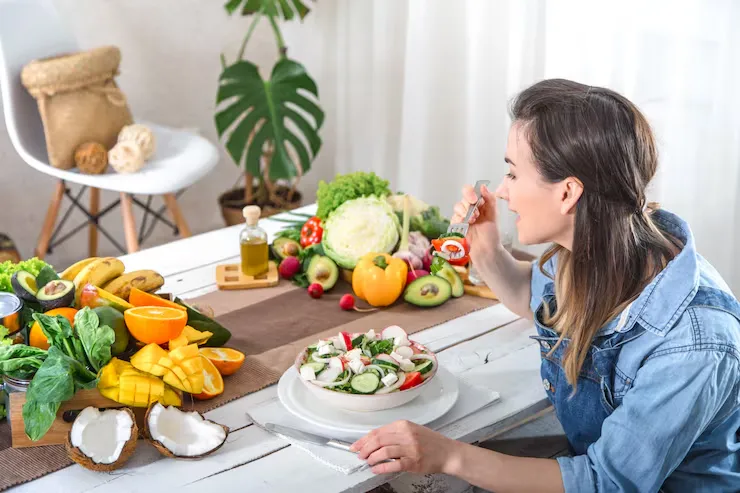
Hair loss control food is a popular search because a simple food based answer feels appealing when hair fall becomes visible. Nutrition does matter. Not getting enough protein, iron or other nutrients can contribute to shedding for some people. But food cannot cure every type of hair loss, and no single ingredient can guarantee that hair fall will stop. The useful approach is to build a balanced plate and investigate persistent hair loss rather than chase a miracle food.
Here are 15 everyday foods that can help support overall nutrition for healthy hair, plus practical meal ideas and the signs that need medical assessment. If you have sudden shedding, round bald patches, scalp pain, scarring, or ongoing thinning, diet should be only one part of the conversation.
What Food Can and Cannot Do for Hair Fall
Hair shedding and hair loss have many possible causes. Illness, stress, rapid weight loss, childbirth, iron deficiency, thyroid problems, genetics, scalp conditions, medicines and tight hairstyles can all play a role. A nutrient rich diet may correct a dietary gap or support recovery when nutrition is part of the picture. It does not reverse every genetic, autoimmune or medical cause of hair loss.
Think of food as the foundation, not a shortcut. Regular meals with enough calories, protein, iron rich foods and fruits or vegetables are generally more useful than an expensive hair supplement or an extreme diet. If a test shows a deficiency, a clinician can advise whether diet alone is enough or whether treatment is needed.
Build a Hair Support Plate Before Buying Supplements
| Nutrition focus | Why it matters | Everyday food examples |
| Protein | An adequate overall protein intake supports normal body tissues. Low protein intake can contribute to hair loss. |
Eggs, fish, chicken, dals, beans, tofu, paneer, curd and soy products. |
| Iron | Iron deficiency can be associated with hair loss and needs assessment when suspected. |
Lentils, beans, leafy greens, lean meat, fish and iron fortified cereals. |
| Vitamin C with plant iron | Vitamin C helps the body absorb iron from plant foods. |
Amla, guava, oranges, lemons, tomatoes, peppers and berries. |
| Zinc and healthy fats | Zinc and dietary fats support normal nutrition, but food is not a substitute for diagnosis of hair loss. |
Pumpkin seeds, walnuts, fish, eggs, dairy, legumes and sesame seeds. |
These nutrients support normal nutrition and may be relevant when intake is low. They do not prove that a particular food will regrow hair or treat every type of hair loss.
15 Foods That Support Healthy Hair Nutrition
The goal is variety across the week. Choose foods that fit your culture, preferences, budget and medical needs. Vegetarian and nonvegetarian options can both provide useful nutrients.
1 Eggs
Eggs provide protein and other nutrients. They can be a simple breakfast or lunch option if you eat eggs. Pair them with vegetables and a whole grain rather than treating them as a standalone hair remedy.
2 Fatty fish
Fish such as salmon, sardines or local oily fish provide protein and healthy fats. If fish is not part of your diet, use other protein sources and speak with a dietitian if you have specific nutrient concerns.
3 Chicken or lean meat
For people who eat meat, lean poultry or meat can contribute protein and iron. Portion size and frequency should fit your wider heart health and medical needs.
4 Masoor dal and other lentils
Lentils are an affordable plant source of protein and iron. Add lemon, tomato, amla or another vitamin C food to the meal to support absorption of plant iron.
5 Chickpeas and beans
Chana, rajma, black beans and white beans bring protein, iron and fibre to a meal. Soak and cook them well, and increase portions gradually if they cause digestive discomfort.
6 Spinach methi and other leafy greens
Leafy greens contribute iron and folate as part of a varied diet. Serve them with a vitamin C food such as lemon, tomato or guava. Do not rely on greens alone if a blood test shows iron deficiency.
7 Pumpkin seeds
Pumpkin seeds can add zinc, protein and healthy fats to snacks, salads, curd or poha. A small portion is enough because seeds are energy dense.
8 Walnuts
Walnuts provide healthy fats and can make a practical snack. Use a small handful with fruit or add chopped walnuts to oats or curd.
9 Curd or yoghurt
Curd or yoghurt can contribute protein and is easy to combine with fruit, nuts or roasted seeds. Choose an option that fits your lactose tolerance and dietary pattern.
10 Paneer tofu or soy foods
Paneer, tofu, soy chunks and other soy foods offer vegetarian protein options. Rotate them with dals, beans and dairy rather than relying on one source every day.
11 Amla guava oranges and other vitamin C fruits
Vitamin C foods help the body absorb iron from plant sources. Add one to a meal with dal, beans or leafy greens instead of expecting fruit alone to control hair fall.
12 Sweet potatoes
Sweet potatoes are a colourful carbohydrate option that can help make meals more varied and satisfying. Bake, steam or add them to a balanced meal with protein and vegetables.
13 Oats and iron fortified cereals
Oats and fortified cereals can provide a convenient breakfast base. Read labels, choose lower sugar choices where practical and add protein such as curd, milk, nuts or seeds.
14 Sesame seeds
Til can add minerals, healthy fats and flavour to meals. Sprinkle a small amount into chutney, salads, laddoos or vegetable dishes as part of an overall balanced diet.
15 Tomatoes peppers and broccoli
These vegetables offer vitamin C and variety. They work well alongside dal, beans or a protein rich meal, which is more useful than looking for one special hair food.
A Simple Day of Food for Hair Support
You do not need a separate hair fall diet. Start by making each meal more complete. This example is adaptable for vegetarian and nonvegetarian households.
- Breakfast: eggs with vegetables and roti, or oats with curd, fruit and seeds.
- Lunch: dal or beans, a leafy vegetable, roti or rice, and a vitamin C food such as lemon, tomato, guava or orange.
- Snack: fruit with a small handful of walnuts or roasted chana instead of skipping meals and then overeating later.
- Dinner: fish, chicken, tofu, paneer or lentils with vegetables and a carbohydrate that suits your appetite and energy needs.
- Across the day: drink enough fluids, avoid crash dieting and aim for regular meals rather than relying on a single supplement or juice.
Food Habits That Can Worsen Hair Shedding
Very low calorie diets, frequent skipped meals, rapid weight loss and overly restrictive food rules can make it harder to meet nutritional needs. A diet that cuts out entire food groups without a medical reason may create a gap in protein, iron or other nutrients. If you are losing weight, have had bariatric surgery, follow a vegan diet, have heavy periods or have digestive illness, individual diet advice may be especially useful.
Be cautious with high dose hair vitamins. Taking excess vitamin A, vitamin E, selenium, iron or other supplements can be harmful, and some excesses have been linked with hair loss. A supplement is most useful when a clinician identifies a deficiency or a dietitian recommends it for your situation.
When Food Is Not Enough
Book a medical assessment if you have sudden heavy shedding, a widening part, a receding hairline, round patches, eyebrow loss, a painful or scaly scalp, or hair loss that continues despite improving your diet. Mention recent fever or illness, childbirth, high stress, rapid weight loss, periods, family history and any new medicines. A clinician may examine the scalp and decide whether blood tests or specialist treatment are appropriate.
For more detail on causes and diagnosis led treatment, read our guide to hair loss causes and treatment options. Sudden shedding after illness, surgery, childbirth, stress or weight loss may also relate to a pattern explained in our telogen effluvium guide. If hair thinning occurs with irregular periods, acne or unwanted facial hair, our PCOS hair fall guide may help you prepare questions for a clinician.
What About Homeopathic Treatment for Hair Fall
Reliable clinical evidence does not show that homeopathy treats hair loss, reverses hereditary thinning or reliably regrows hair. Homeopathic products should not replace medical assessment, evidence based treatment or blood tests for a possible deficiency, hormonal condition, scalp infection or other cause.
This article does not recommend individual homeopathic remedies or self prescribed doses. If you choose to use a complementary product, tell your treating clinician and do not stop prescribed treatment or delay an advised medical evaluation.
How Dr Tathed's Homeopathic Clinic Can Support You
At Dr Tathed's Homeopathic Clinic, you can discuss your hair fall history, diet, scalp care and questions about complementary care. This does not replace medical assessment for sudden, patchy, painful, scarring or unexplained hair loss, or for symptoms that may suggest iron deficiency, thyroid disease, PCOS or another health condition.
You can book a hair fall consultation at Dr Tathed's Homeopathic Clinic in PCMC Pune Chinchwad, Viman Nagar Pune or Thane West. If hair loss is sudden, patchy, painful or accompanied by other concerning symptoms, seek medical assessment promptly.
Find Your Nearest Homeopathy Clinic
- Homeopathy Clinic in Chinchwad (PCMC), Pune : Opposite lokmanya hospital, near railway bridge, Renuka Sai Society, Ganesh Nagar, Chinchwad, Pimpri-Chinchwad, Maharashtra 411033
- Homeopathy Clinic in Viman Nagar, Pune : Datta Mandir Chowk, Unit 106, 1st Floor, Lunkad Skymax Mall, Konark Nagar, Clover Park, Viman Nagar, Pune, Maharashtra 411014
- Homeopathy Clinic in Thane West : Office No. 207, JVM’s Corner Stone, Hariniwas Circle, Lal Bahadur Shastri Marg, Naupada, Thane West, Thane, Maharashtra 400602
Conclusion
A practical hair loss control food plan is simply a consistent, balanced eating pattern. Include adequate protein, iron rich foods, vitamin C sources, seeds or nuts and a variety of vegetables. Avoid crash diets and unnecessary high dose supplements. If hair fall continues or looks different from usual, identify the cause with a qualified clinician instead of relying on food alone.
To discuss hair fall, diet and complementary health questions, book a consultation with Dr Tathed's Homeopathic Clinic.
Frequently Asked Questions
Which food is best for hair loss control
No single food controls every type of hair loss. A varied diet with enough protein, iron rich foods, vitamin C foods, healthy fats and overall calories is more useful than one special ingredient. If a deficiency is present, a clinician can advise the right treatment.
Can food stop hair fall naturally
Food may help when inadequate nutrition is contributing to shedding, but it cannot guarantee that hair fall will stop. Genetics, hormones, illness, stress, scalp conditions and medicines may need other treatment.
What should I eat for hair fall if I am vegetarian
Build meals around lentils, beans, chickpeas, tofu, paneer, curd, leafy greens, seeds, nuts and vitamin C rich fruits or vegetables. If hair loss persists, ask a clinician whether tests for iron, vitamin B12, vitamin D, thyroid or other causes are appropriate.
Should I take hair vitamins or iron tablets
Do not start high dose supplements just because of hair fall. Excess amounts can be harmful. A clinician may recommend a supplement when a blood test or dietary assessment identifies a deficiency.
Can homeopathy regrow hair
Reliable clinical evidence does not show that homeopathy regrows hair or treats the many conditions that cause hair loss. Do not delay medical assessment or evidence based treatment while using a homeopathic product.
Where can I visit Dr Tathed's Homeopathic Clinic for hair fall concerns
Dr Tathed's Homeopathic Clinic has locations in PCMC Pune Chinchwad, Viman Nagar Pune and Thane West. For sudden patchy hair loss, scalp pain, scarring, signs of infection or other concerning symptoms, seek medical assessment promptly.
References -
- American Academy of Dermatology Hair Loss Management Tips
- American Academy of Dermatology Hair Loss Diagnosis and Treatment
- American Academy of Dermatology Hair Loss Causes
- NIH Office of Dietary Supplements Iron Consumer Fact Sheet
- NHS Iron Deficiency Anaemia
- NHS Specialist Pharmacy Service Complementary Products and Conventional Medicines
Medical note: This article is for general education and does not diagnose hair loss or replace personal nutrition and medical advice. Do not start, stop or delay prescribed treatment based on this page.