
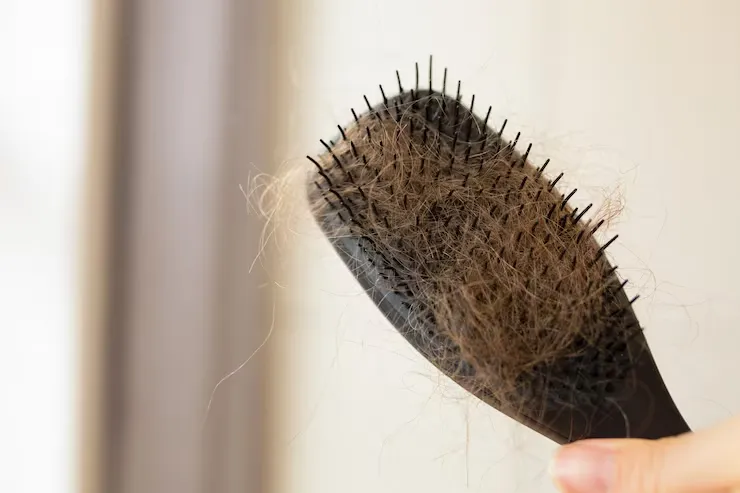

Finding more hair on your pillow, comb or shower drain can be worrying. Many people search for homeopathic medicine for hair loss hoping for a simple answer. But hair loss and hair shedding have many causes, and the right next step depends on whether hair is thinning gradually, falling suddenly, breaking, or leaving patchy bald areas.
Reliable clinical evidence does not show that homeopathy treats hair loss or regrows hair. Do not postpone a medical assessment, evidence based treatment or tests for an underlying cause while trying a homeopathic remedy. This guide explains common patterns, treatment options that depend on diagnosis and when to see a dermatologist.
Hair Loss and Hair Shedding Are Not Always the Same
Hair shedding is part of the normal growth cycle. A temporary increase in shedding can happen a few months after a major illness, high fever, surgery, childbirth, severe stress or rapid weight change. This pattern is often called telogen effluvium. In many cases, hair fullness improves once the trigger settles, but a clinician can help rule out other contributors.
Hair loss is broader than shedding. It can include inherited pattern thinning, autoimmune patchy loss, traction from tight styles, nutritional deficiency, thyroid disease, some medicines, scalp conditions and infections. That is why a supplement, oil or one homeopathic medicine cannot be assumed to suit everyone with hair fall.
Common Hair Loss Patterns and Causes
| What you notice | One possible pattern | Useful next step |
| More shedding across the whole scalp after illness, childbirth, fever, surgery, stress or rapid weight loss | Temporary excessive shedding called telogen effluvium can be a possibility. |
Discuss the trigger and timing with a clinician. Some cases improve after the trigger is addressed. |
| Gradual widening part, thinning at the crown or receding hairline over time | Hereditary pattern hair loss can be a possibility. |
Arrange early dermatologist assessment because treatment choices are cause and person specific. |
| Smooth, round or oval bald patches | Alopecia areata is one possible cause. |
Seek medical assessment. Early diagnosis may help protect and manage hair growth. |
| Broken hairs, soreness, itch, scale, circular patches or pus | Hair breakage, traction, scalp inflammation or an infection needs consideration. |
See a dermatologist promptly. Do not cover the problem with oils or supplements alone. |
The table describes common patterns, not a self diagnosis. Several causes can occur together.
Hereditary Pattern Hair Loss
Hereditary hair loss can affect men and women. In men, it may show as a receding hairline or thinning around the crown. In women, it often appears as a widening part or gradual overall thinning at the top of the scalp. Earlier assessment can be useful because some evidence based treatments work best when started before substantial follicle shrinkage has occurred.
Hormonal Nutritional and Health Related Contributors
A clinician may consider iron deficiency, thyroid problems, nutritional intake, recent illness, medication changes and hormonal factors depending on your history and pattern of loss. PCOS can be associated with scalp thinning in some women, but it is not the only explanation. Read our guide to PCOS related hair fall for more context, and seek individual medical advice rather than starting supplements without a reason.
Can Homeopathy Treat Hair Loss
Searches for homeopathy for hair loss, homeopathic treatment for hair loss and homeopathic remedies for hair loss are common. However, there is no good quality evidence that homeopathy treats hair loss, reverses hereditary pattern thinning or reliably regrows hair. Claims that a homeopathic medicine will cure baldness or stop hair fall for everyone are not supported by reliable clinical evidence.
For this reason, this article does not list individual remedies, potencies or self prescribed doses. If you choose to use a complementary product, tell your dermatologist or primary care clinician. Continue prescribed treatment unless the prescriber advises otherwise, and do not delay assessment of sudden, patchy, painful or scarred hair loss.
Evidence Based Hair Loss Treatment Options
There is no single best treatment for every type of hair loss. A dermatologist begins by looking at the scalp and hair pattern, asking about timing, family history, illness, stress, diet, medicines and hair care. Depending on the suspected cause, blood tests or a scalp examination may be useful.
Treatment depends on the cause
- Temporary shedding may improve when the underlying trigger, such as illness, nutritional deficiency or a medication issue, is identified and addressed.
- Hereditary pattern hair loss may be managed with treatments such as topical minoxidil or other prescription options, but suitability, side effects and pregnancy plans must be discussed with a dermatologist.
- Alopecia areata, scalp psoriasis, scalp infection and scarring hair loss need diagnosis led treatment. They should not be managed as ordinary hair fall.
- Tight hairstyles, harsh chemical treatments, heat and repeated tension can contribute to breakage or traction related loss. Changing the hair practice is an important part of care.
- Supplements are useful only when a deficiency or dietary gap is present. Taking high doses without advice can be unnecessary or harmful.
For a cause focused explanation of sudden diffuse shedding after an event, see our guide to telogen effluvium and recovery. For round patches, read about alopecia areata symptoms and treatment options.
Hair Care and Nutrition That Support Overall Hair Health
Good nutrition and gentle hair care support healthy hair, but they cannot guarantee regrowth in every condition. Aim for regular meals that include adequate protein and a variety of nutrient rich foods. Avoid crash diets and sudden severe calorie restriction, which can contribute to shedding. A clinician can advise whether a blood test or a targeted supplement is appropriate.
- Choose sufficient protein from foods that fit your dietary pattern, such as pulses, dairy, eggs, fish, poultry, soy, nuts or seeds.
- Include iron containing foods and pair plant sources with vitamin C rich foods. Get medical advice before taking iron supplements.
- Be gentle when hair is wet, reduce tight pulling styles and limit repeated bleaching, harsh chemical processing and excessive heat.
- Treat persistent itch, dandruff, soreness or scalp scale rather than ignoring it. Learn more about the relationship between dandruff and hair loss.
For food ideas that support a balanced hair care routine, read our guide to foods for healthy hair growth.
When to See a Dermatologist
Book a dermatologist or qualified clinician visit if hair loss is sudden, patchy, rapidly worsening or distressing. It is also sensible to seek advice when the hair loss comes with itching, pain, scale, redness, broken hairs, scalp sores, fatigue, menstrual changes, major weight change or other new symptoms. Prompt assessment may help identify a treatable cause and prevent some forms of permanent loss.
Seek prompt medical care if you notice
- painful, swollen, oozing or pus filled scalp lesions, fever or a foul smell
- round scaly patches with broken hairs, sudden bald spots or rapidly expanding areas of hair loss
- a hair loss concern in a child, especially with scale, itch, broken hairs or swollen glands
- hair loss with signs of a serious allergic reaction such as facial swelling, wheezing or trouble breathing. Treat these symptoms as an emergency.
- hair loss together with a new severe illness, unexplained weakness or other concerning symptoms.
How Dr Tathed's Homeopathic Clinic Can Support You
At Dr Tathed's Homeopathic Clinic, a nonurgent consultation can help you discuss your hair loss pattern, scalp care routine and questions about complementary care. It does not replace a dermatologist diagnosis, medical testing or evidence based treatment. Sudden patchy loss, painful scalp changes, scarring, possible infection or hair loss in a child needs prompt medical assessment.
For nonurgent concerns, you can book a hair loss consultation at Dr Tathed's Homeopathic Clinic in PCMC Pune Chinchwad, Viman Nagar Pune or Thane West.
- Homeopathy Clinic in Chinchwad (PCMC), Pune : Opposite lokmanya hospital, near railway bridge, Renuka Sai Society, Ganesh Nagar, Chinchwad, Pimpri-Chinchwad, Maharashtra 411033
- Homeopathy Clinic in Viman Nagar, Pune : Datta Mandir Chowk, Unit 106, 1st Floor, Lunkad Skymax Mall, Konark Nagar, Clover Park, Viman Nagar, Pune, Maharashtra 411014
- Homeopathy Clinic in Thane West : Office No. 207, JVM’s Corner Stone, Hariniwas Circle, Lal Bahadur Shastri Marg, Naupada, Thane West, Thane, Maharashtra 400602
Conclusion
Hair loss is not one condition, and an accurate cause matters more than a one size fits all remedy. Whether you are experiencing temporary shedding, gradual thinning, patchy bald spots or scalp symptoms, a timely assessment can guide the right treatment and protect your hair and scalp health.
For a nonurgent discussion about hair care and complementary health questions, book a consultation with Dr Tathed's Homeopathic Clinic. Seek dermatologist or urgent medical care first for warning signs.
Frequently Asked Questions
What is the best homeopathic medicine for hair loss
There is no good quality evidence that a homeopathic medicine treats hair loss or regrows hair, so there is no evidence based best remedy or dose to recommend. The safest next step is to identify the cause with a qualified clinician.
Can homeopathy stop hair fall permanently
No treatment can promise to stop all hair fall permanently because hair loss has different causes and may change over time. Reliable evidence does not support homeopathy as a treatment for hair loss.
Can hair lost after stress or fever grow back
Some people develop temporary excessive shedding after a major stressor, illness, fever or surgery. It can improve over time once the trigger is addressed, but persistent or severe shedding should be assessed to rule out other causes.
Can diet alone regrow hair
A balanced diet supports overall hair health and correcting a nutritional deficiency may help when it is contributing. Diet alone does not reliably regrow hair in hereditary pattern loss, alopecia areata or scarring conditions.
Which doctor should I see for hair loss
A dermatologist is trained to diagnose conditions affecting the hair, scalp and skin. They can assess the pattern, look for scalp disease and decide whether tests or treatment are appropriate.
Where can I visit Dr Tathed's Homeopathic Clinic for a hair loss concern
Dr Tathed's Homeopathic Clinic has locations in PCMC Pune Chinchwad, Viman Nagar Pune and Thane West. See promptly for sudden patchy loss, pain, oozing, broken hairs, a suspected infection or a child with hair loss.
References :
- American Academy of Dermatology Hair Loss Causes
- American Academy of Dermatology Hair Loss Diagnosis and Treatment
- American Academy of Dermatology Hair Loss and Hair Shedding
- MedlinePlus Hair Loss
- NHS Specialist Pharmacy Service Complementary Products and Conventional Medicines
Medical information note: This article is for general education and does not diagnose hair loss or replace qualified medical advice. Do not start, stop or delay prescribed treatment based on this page.