
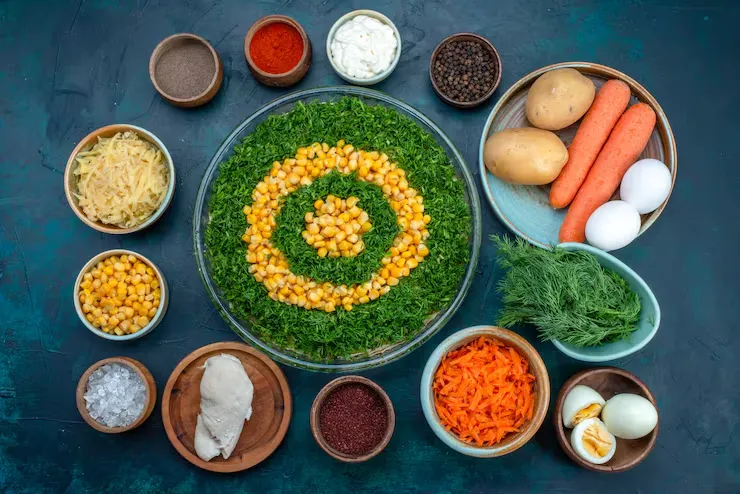

The best food for hair growth is not one miracle ingredient. Healthy hair depends on a balanced diet that provides enough energy, protein, iron, zinc and other nutrients over time. When a person's diet is low in key nutrients, improving food intake may support normal hair growth. But food cannot guarantee rapid regrowth or treat every cause of thinning and hair loss.
This top 10 list is designed for everyday Indian meals. It gives practical foods to rotate through the week, simple pairing ideas and guidance on when hair concerns need a medical assessment. The aim is a steady food routine, not an expensive powder, crash diet or one special juice.
What Food Can Really Do for Healthy Hair
Hair is largely made of a protein called keratin, but good nutrition is about more than protein alone. Iron, zinc, vitamin B12, vitamin C, fats and overall calorie intake can all matter to general health. A food pattern that is too restrictive, low in protein or low in iron can contribute to hair shedding in some people. Correcting a genuine dietary gap may help when that gap is part of the cause.
At the same time, hereditary thinning, thyroid disease, PCOS, autoimmune hair loss, scalp infection, medicine effects and stress related shedding need cause specific assessment. Foods can support your body, but they cannot replace diagnosis. If you are seeing a widening part, sudden shedding, bald patches or scalp pain, do not wait for a food list to solve the problem.
Book a hair health consultation
Top 10 Food Items for Healthy Hair
Use this list as a rotation, not a strict prescription. Choose foods that suit your preferences, culture, medical needs and budget. Vegetarian and nonvegetarian diets can both support healthy hair nutrition.
1 Eggs
Eggs offer a convenient protein source and work well at breakfast or lunch. Combine eggs with vegetables and a whole grain, rather than expecting eggs alone to improve hair density.
2 Dal and lentils
Masoor, moong, toor and other dals provide plant protein and iron. Serve them with lemon, tomatoes, amla or another vitamin C food to support absorption of plant iron.
3 Chickpeas and beans
Chana, rajma, black beans and white beans bring protein, iron and fibre. They are useful vegetarian options when eaten regularly as part of balanced meals.
4 Fish
Fish provides protein and healthy fats. Choose fish that is available, affordable and appropriate for your dietary needs. If you do not eat fish, use other protein sources rather than trying to replace it with a single supplement.
5 Paneer tofu and soy foods
Paneer, tofu, soy chunks and soybeans offer vegetarian protein options. Rotate them with dals, beans, dairy and eggs if you eat them for more variety across the week.
6 Curd or yoghurt
Curd or yoghurt can add protein to breakfast or snacks. Pair it with fruit, oats, seeds or roasted chana to make it a more balanced option. Choose an alternative that suits you if dairy causes symptoms.
7 Spinach methi and leafy vegetables
Leafy vegetables contribute iron and folate as part of a varied diet. Add vitamin C rich foods to the same meal. A diagnosed iron deficiency still needs medical advice and may require more than dietary changes.
8 Amla guava oranges and other vitamin C fruits
Vitamin C rich fruits help the body absorb iron from plant foods. Amla, guava, oranges, lemon, berries and seasonal fruit can be added alongside meals rather than treated as stand alone hair growth foods.
9 Pumpkin seeds and sesame seeds
Seeds add protein, zinc and healthy fats in small portions. Sprinkle them on poha, curd, salads or vegetables, or use them in chutney. They are useful additions but not a substitute for a full meal.
10 Oats and iron fortified whole grains
Oats and fortified cereals can make a convenient breakfast base. Combine them with milk, curd, fruit, seeds or eggs to avoid a breakfast that is only carbohydrate.
How to Turn Foods Into a Hair Healthy Day
Food combinations are more useful than isolated ingredients. The examples below make the top 10 list easier to use without turning your kitchen into a supplement shelf.
| At this meal | Try this food combination | Why the combination is practical |
| Breakfast | Eggs or tofu with vegetables, or oats with curd, fruit and seeds. |
Builds protein into the first meal instead of relying on a supplement later in the day. |
| Lunch | Dal or beans with leafy greens and lemon, tomato, amla or another vitamin C food. |
Combines plant protein and iron with a food that can help absorb plant iron. |
| Snack | Fruit with roasted chana, yoghurt or a small handful of nuts and seeds. |
Adds variety and can help prevent long gaps between meals. |
| Dinner | Fish, chicken, paneer, tofu or lentils with vegetables and roti or rice. |
Makes overall protein and calorie intake more consistent across the day. |
For the broader 15 food plan focused on hair fall control, see our Hair Loss Control Food guide. This page is intentionally focused on food choices and meal combinations for healthy hair, while that guide covers hair fall focused nutrition, deficiencies and supplement safety in greater depth.
Food Habits That Can Work Against Hair Health
Trying to grow hair while regularly skipping meals or severely restricting calories can be counterproductive. Rapid weight loss, prolonged dieting and cutting out food groups without a medical reason can make it harder to meet protein and micronutrient needs. A better goal is regular meals with enough overall food, not perfect eating on a few days followed by very low intake.
Be careful with high dose hair supplements. Taking more is not always better. High amounts of certain vitamins or minerals can be harmful, and some excesses have been linked with hair loss. Ask a clinician or registered dietitian before starting iron, zinc, biotin or a high dose hair vitamin, especially if you have a medical condition, are pregnant or take other medicines.
When Food Is Not the Main Answer
Book medical assessment if you notice sudden shedding, round or oval bald patches, scalp pain, burning, scale, scarring, eyebrow loss, a widening part or hair fall that continues despite balanced eating. Mention recent illness, surgery, childbirth, stress, rapid weight change, periods, new medicines and family history. These details can help a clinician decide whether an examination, blood tests or specialist treatment is needed.
Read our hair loss causes and treatment options guide for diagnosis led next steps. If shedding started weeks or months after fever, illness, surgery, childbirth, stress or rapid weight loss, our telogen effluvium guide can help you understand the pattern. If thinning comes with irregular periods, acne or unwanted facial hair, read our PCOS hair fall guide before your appointment.
What About Homeopathic Treatment for Hair Growth
Reliable clinical evidence does not show that homeopathy regrows hair, reverses hereditary thinning or treats the many conditions that can cause hair loss. Homeopathic products should not replace medical assessment, evidence based treatment or tests for possible deficiencies, hormonal conditions, scalp infection or other causes.
For safety, this article does not recommend individual homeopathic remedies or self prescribed doses. If you choose to use a complementary product, tell your treating clinician and do not stop prescribed treatment or delay an advised medical evaluation.
How Dr Tathed's Homeopathic Clinic Can Support You
At Dr Tathed's Homeopathic Clinic, you can discuss hair concerns, diet, scalp care and questions about complementary care. This does not replace medical assessment for sudden, patchy, painful, scarring or unexplained hair loss, or for symptoms that may suggest a deficiency, hormonal condition, scalp disease or another health concern.
You can book a hair health consultation at Dr Tathed's Homeopathic Clinic in PCMC Pune Chinchwad, Viman Nagar Pune or Thane West.
Conclusion
The best foods for hair growth are the foods that help you eat a consistent, balanced diet. Add protein to regular meals, pair plant iron foods with vitamin C foods, include seeds or nuts in modest portions and avoid extreme dieting. If hair changes continue, identify the cause with a qualified clinician rather than relying on food alone.
To discuss hair concerns, diet and complementary health questions, book a consultation with Dr Tathed's Homeopathic Clinic.
Frequently Asked Questions
What is the best food for hair growth
There is no one best food for hair growth. A varied pattern with enough protein, iron rich foods, vitamin C foods, healthy fats and overall calories is more useful than one special ingredient.
Which food is good for healthy hair in India
Practical choices include eggs, dal, chickpeas, paneer or tofu, curd, leafy vegetables, amla or guava, fish, seeds and oats. Mix them across meals instead of relying on one item every day.
Can I grow hair faster by eating certain foods
No food can guarantee faster growth or regrow every type of hair loss. Nutrition may support normal hair growth when intake is inadequate, but genetics, hormones, illness and scalp conditions may need other care.
Should I take biotin or iron for hair growth
Do not start high dose supplements based on hair concerns alone. A clinician may recommend a supplement if a blood test or dietary assessment shows a deficiency. Excess nutrients can be harmful.
Can homeopathy regrow hair naturally
Reliable clinical evidence does not show that homeopathy regrows hair or treats the causes of hair loss. Do not delay medical assessment or evidence based treatment while using a homeopathic product.
Where can I visit Dr Tathed's Homeopathic Clinic for healthy hair concerns
Dr Tathed's Homeopathic Clinic has locations in PCMC Pune Chinchwad, Viman Nagar Pune and Thane West. Seek medical assessment promptly for sudden patchy hair loss, scalp pain, scarring, signs of infection or other concerning symptoms.
References -
- American Academy of Dermatology Hair Loss Management Tips
- American Academy of Dermatology Hair Loss Causes
- American Academy of Dermatology Hair Loss Diagnosis and Treatment
- NIH Office of Dietary Supplements Iron Consumer Fact Sheet
- NIH Office of Dietary Supplements Vitamin C Consumer Fact Sheet
- NHS Specialist Pharmacy Service Complementary Products and Conventional Medicines
Medical note: This article is for general education and does not diagnose hair loss or replace personal nutrition and medical advice. Do not start, stop or delay prescribed treatment based on this page.