Osteoarthritis Homeopathic Medicine & Treatment
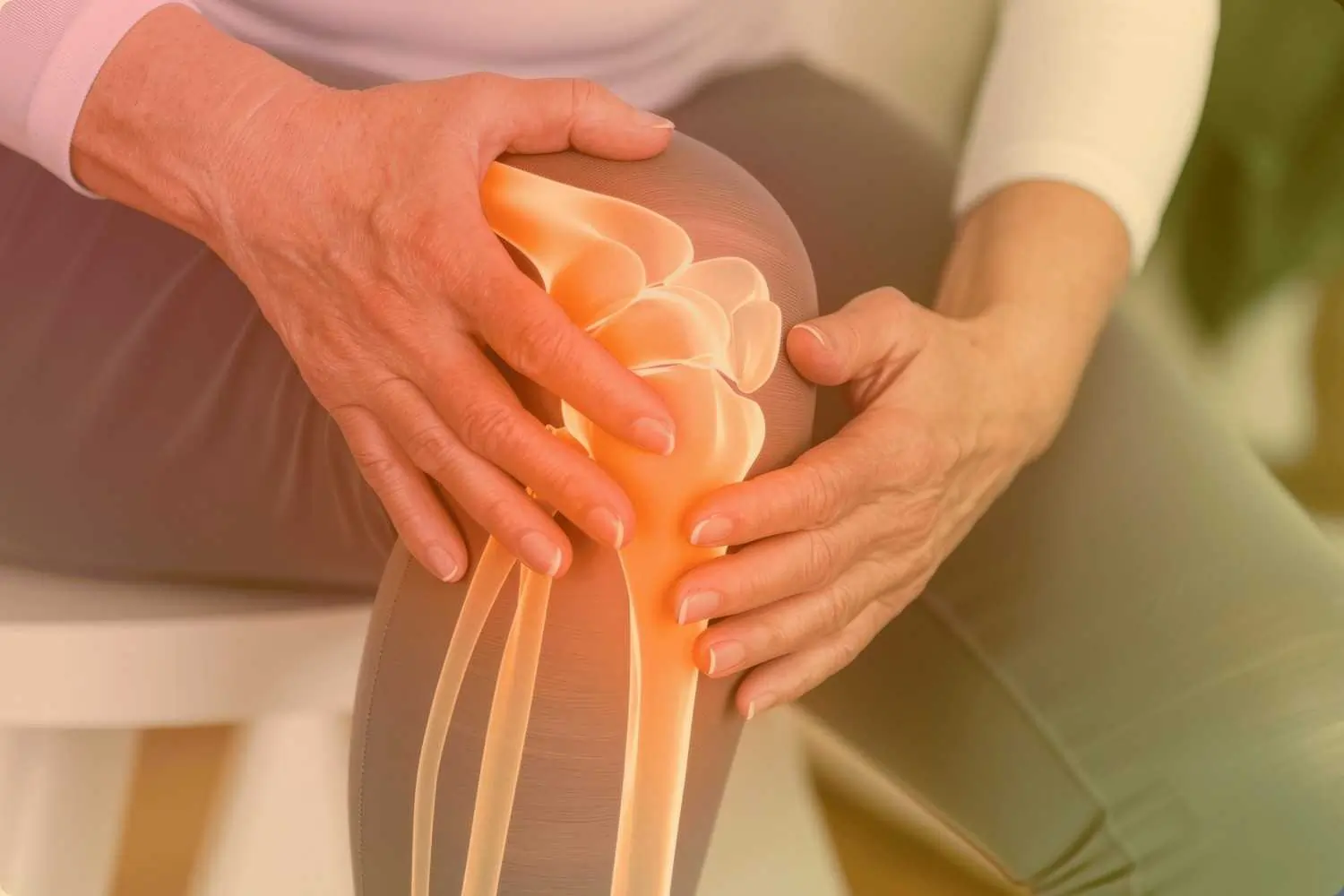
In a joint, a coating of tough tissue, called cartilage, is present which prevents the friction of bone surfaces and makes movements of the joint smooth. The wear and tear of this cartilage are called osteoarthritis. There can be bony changes in the joints, deterioration of tendons and ligaments, and inflammation of the joint lining after the progress of the disease.
The disorder most commonly affects weight-bearing joints like joints in your hands, knees, hips, and spine, etc.
Risk Factors
Age: Osteoarthritis usually starts from the late 40s
onwards.
Gender: Osteoarthritis is more common and often more severe in
women.
Obesity: Carrying extra weight increases stress on
weight-bearing joints such as the knees and hips, accelerating the wear and
tear.
Joint Injury: A major injury or operation on a joint may lead
to osteoarthritis in that joint later in life. People engaged in regular sports
or physically demanding work are at higher risk due to the increased chance of
joint injuries.
Joint Abnormalities: If you were born with joint abnormalities
or developed them during childhood, it can lead to earlier and more severe
osteoarthritis caused by abnormal wear and tear on the cartilage.
Genetic Factors: Family history can increase your risk of
developing osteoarthritis.
Other Types of Joint Disease: Sometimes osteoarthritis develops
as a result of previous joint diseases such as rheumatoid arthritis or gout, as
these cause damage and inflammation in the joint.
Osteoarthritis, a condition that typically begins in the late 40s and worsens with age, is a major concern in today’s society. However, there are several other factors that could potentially increase the risk of developing this debilitating disease:
- Gender: Studies show osteoarthritis is more prevalent and often more severe in women than in men. Hormonal changes and anatomical differences might contribute to this.
- Obesity: Extra weight puts considerable stress on joints, especially knees and hips, leading to early onset.
- Joint Injury: Serious injuries or surgeries on the joints can pave the way for osteoarthritis later in life.
- Joint Abnormalities: Congenital or developmental issues in the joints can result in earlier and more severe osteoarthritis.
- Genetic Factors: A family history of osteoarthritis can increase your chances of developing the condition.
- Other Joint Diseases: Previous damage from joint diseases such as rheumatoid arthritis or gout can eventually lead to osteoarthritis.
Symptoms
Severe pain and tenderness in the joints.
Stiffness in joints, which is usually worse in the morning or after being
inactive.
Loss of Flexibility: You might not be able to move your joint
through its full range of motion.
Grating sensation, with possible popping or crackling sounds.
Bone Spurs: Extra bits of bone that feel like hard lumps can
form around the affected joint.
Swelling: Soft tissue inflammation around the joint can cause
noticeable swelling.
Homoeopathic Approach
Homeopathy can help control pain as well as improve the mobility of the joints in osteoarthritis. Since osteoarthritis is a degenerative condition, it may not be possible to reverse changes that have already occurred in the joints, but further progression can often be restricted through homeopathy. Complications such as infection or bleeding within the joints may also be avoided with timely intervention.
Homoeopathic Invention
A self-devaluation conflict causes osteoarthritis. This conflict may be experienced through humiliation, abuse, or failure—whether at work, at school, in sports, or within relationships such as being a parent or partner. It may also stem from poor performance (intellectual, artistic, athletic), or deep feelings of shame and guilt. Loss of status, losing a job, retiring, facing illness or injuries, aging, or the loss of someone who provided a sense of appreciation and need can further trigger this conflict. Addressing these underlying emotional and psychological stressors is crucial in both the management and prevention of osteoarthritis, according to cutting-edge homoeopathic research.

Medicine
Homeopathic Medicine :
Arnica :
Chronic osteoarthritis with a feeling of bruised soreness can indicate a need for this remedy. Pain is worse from touch and may occur in joints that were injured in the past.
Belladonna :
Sudden pain with a sensation of heat and throbbing pain indicates a need for this remedy. The joints look red and inflamed, and the surface may feel hot to the touch.
Bryonia :
Slightest movement increases the pain. Pain is usually worse at the night. This remedy relieves joint pain improved by staying immobile and applying pressure.
Ledum Palustre :
Pain and inflammation often begin in the toes and spread up through the ankles and knees. The joints may make cracking sounds and may be very swollen. Cold applications bring relief to both the pain and swelling.
Ruta Graveolens :
Useful in joints with a feeling of great stiffness and lameness. Pain is worse from cold and damp, and from exertion. Tendons and the capsules of the joints may be affected.