
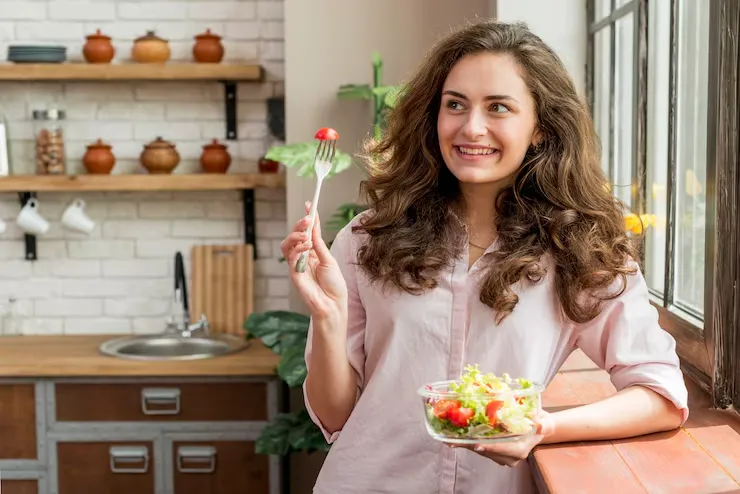
Hair growth foods for women can help support everyday nutrition, but no food can cure every cause of hair loss or promise regrowth. Regular meals with enough protein, iron containing foods, vegetables, fruit and overall energy can support normal hair health. They do not replace medical assessment for sudden shedding, a widening part, bald patches or scalp symptoms.
Hair changes can occur around heavy periods, pregnancy, postpartum life, weight loss, stress, illness, hormonal conditions or restrictive eating. The answer is not usually one expensive supplement or a single so called hair food. This guide explains how to build practical meals, when food support may be relevant and when it is important to find the underlying cause.
Can Food Regrow Hair for Women
Food can help when inadequate nutrition is contributing to shedding, and it is part of general health at every stage of life. It cannot reliably reverse female pattern hair loss, treat an autoimmune condition, cure a scalp infection or correct a hormonal or medical condition by itself. A healthy diet supports the body but is not a diagnosis.
Use food as a foundation, not a stand alone treatment. A dependable meal pattern with protein foods, pulses, vegetables, fruit, grains and appropriate fats is more useful than a short detox, juice cleanse or hair supplement routine. If a clinician suspects a deficiency or another cause, they can guide testing and treatment.
Why Women May Notice Hair Shedding or Thinning
Women can experience hair shedding and hair loss for many reasons. Some shedding may follow childbirth, high fever, illness, surgery, significant stress, rapid weight loss or a major life change. A gradual widening part or overall thinning can have a different pattern and needs its own assessment. Thyroid problems, PCOS, heavy periods, low food intake, scalp conditions, some medicines and hereditary factors can also be relevant.
If your shedding began after illness, childbirth, stress, surgery or rapid weight loss, see our telogen effluvium guide. If hair fall occurs alongside irregular periods, acne or unwanted facial hair, our PCOS hair fall guide can help you prepare for a proper assessment. Read the hair loss causes and treatment options guide for broader diagnosis led information.
Food Foundations for Healthy Hair in Women
There is no single perfect diet for hair growth in women. Your food needs can vary with age, activity, menstrual blood loss, pregnancy, breastfeeding, medical conditions, dietary pattern and weight goals. The foundation is enough food and variety, not a strict menu. If you are pregnant, breastfeeding, have diabetes, kidney disease, digestive illness, anaemia or an eating concern, seek personal advice from a qualified clinician or dietitian.
| Nutrition area | Why it can matter |
Everyday food examples |
| Protein | Protein is part of normal hair structure. Low protein intake can be one possible nutrition factor in hair shedding. |
Eggs, curd, paneer, fish, chicken, dal, chana, rajma, soybeans, tofu, peanuts and seeds. |
|
Iron plus vitamin C |
Iron is essential. Vitamin C helps your body absorb iron from plant foods. |
Lentils, beans, chickpeas, greens and seeds with amla, guava, oranges, tomato, capsicum or lemon. |
| Vitamin B12 | B12 helps normal blood and nerve function. Natural food sources are mainly animal foods, while some products are fortified. |
Eggs, milk, curd, fish and meat, or verified fortified foods for people who avoid animal foods. |
| Regular meals | Very low calorie eating, rapid weight loss and skipped meals can work against overall nutrition and may contribute to shedding for some people. |
Regular meals built around grains or millets, protein foods, vegetables, fruit and fats suited to your needs. |
| Food variety | A varied diet is more useful than relying on a powder, detox or a single superfood. |
Rotate seasonal vegetables, fruits, pulses, nuts, seeds and preferred protein choices across the week. |
For a general cluster overview, read our Hair Loss Control Food guide. Our Best Foods for Hair Growth article provides a concise food list for everyday meal planning.
12 Hair Growth Food Choices for Women
These foods are flexible choices to use in a varied diet. They are not a special treatment plan and none can guarantee faster growth. Choose foods that suit your culture, budget, preferences, digestion and medical advice.
1 Dal and lentils
Moong, masoor, toor and other dals provide plant protein and are easy to include in daily meals. Pair a dal meal with lemon, tomato, capsicum, guava or another vitamin C containing food for variety around plant iron.
2 Chickpeas and beans
Chana, rajma, lobia and other beans can add protein and fibre to curries, salads, chaat and one pot meals. They do not treat hair loss on their own, but they are useful regular meal foods.
3 Eggs
Eggs are a convenient protein choice for people who eat them. Pair them with vegetables, roti or a grain based breakfast instead of relying on eggs or egg based products alone for hair changes.
4 Milk curd and paneer
Dairy can provide protein and fits naturally into many meal patterns if tolerated. Curd with fruit, paneer with vegetables or milk with a balanced breakfast are practical options.
5 Soy foods
Soybeans, tofu and soy chunks can be useful plant protein options for vegetarian and vegan meal patterns. Include them in a curry, stir fry, pulao, sandwich or salad with other foods.
6 Leafy vegetables
Spinach, methi and other greens bring variety and can contribute nutrients including plant iron. They cannot replace testing or treatment if iron deficiency is suspected.
7 Fish chicken or other preferred animal foods
For people who eat them, fish, chicken and other animal foods can contribute protein and other nutrients. Balance them with vegetables and regular carbohydrate foods rather than turning the diet into a supplement focused routine.
8 Amla guava and citrus fruit
Vitamin C containing fruits can be a helpful companion to plant iron foods. Eat whole fruit when possible. Fruit cannot correct every cause of hair fall or replace treatment for a diagnosed deficiency.
9 Nuts and seeds
Peanuts, almonds, walnuts, sesame, pumpkin seeds and flaxseed add texture and energy. Use a small serving with meals or snacks. They are not a cure for shedding, so do not rely on large quantities.
10 Whole grains and millets
Roti, oats, rice, millet and other grains can provide energy in a full meal. Cutting out carbohydrate foods completely or skipping meals may make your eating pattern unnecessarily restrictive.
11 Colourful vegetables
Tomatoes, peppers, carrots, beans, pumpkin and seasonal vegetables add variety to the plate. A mix of vegetables is more useful than trying to identify one vegetable as a miracle hair food.
12 Fortified foods when appropriate
People who avoid animal foods should check labels for suitable fortified foods, especially for nutrients such as vitamin B12. A clinician can advise if a supplement is appropriate for your diet and life stage.
A Practical Hair Healthy Day of Eating
You do not need a separate hair growth diet for women. Ordinary balanced meals are a sensible starting point. These ideas are not a calorie plan and do not replace advice for pregnancy, breastfeeding, diabetes, kidney disease, anaemia or another health condition. Adjust portions and foods to your appetite, activity and personal advice.
| Meal | Flexible food idea | Practical note |
| Breakfast | Besan chilla with curd and fruit, or eggs with roti and vegetables. |
Use a protein food you enjoy. A vegetarian option can include curd, paneer, soy, tofu, dal or besan. |
| Lunch | Dal or rajma, rice or roti, seasonal vegetables and a salad with lemon. |
This is an ordinary balanced meal. A vitamin C rich fruit or vegetable can be added around a plant iron meal if it suits you. |
| Snack | Fruit with curd, roasted chana, nuts or a small serving of seeds. |
Pairing fruit with protein or fat can make it more filling than fruit juice or packaged snack foods alone. |
| Dinner | Fish or chicken with vegetables and roti, or tofu or paneer with dal and vegetables. |
The best choice is one you can eat regularly within your cultural, medical and budget needs. |
| Busy day option | Prepared chana salad, curd rice with vegetables, a paneer sandwich or a dal based home meal. |
Avoid assuming that a meal replacement shake provides everything your body needs for hair health. |
Heavy Periods Pregnancy and Postpartum Hair Changes
Heavy menstrual bleeding can be one reason a clinician considers iron status. Food choices such as pulses, greens and vitamin C rich fruit can support an iron containing diet, but they should not be used to self diagnose or self treat anaemia. If periods are very heavy, prolonged, painful, associated with large clots, fatigue, breathlessness or dizziness, arrange medical assessment.
Pregnancy and breastfeeding are life stages with individual nutrition needs. Do not begin or stop iron, folic acid, iodine, vitamin D or any other supplement based on a hair article. Follow your obstetrician or clinician's advice. Noticeable shedding a few months after childbirth is common and is often temporary, but continuing loss, bald patches or scalp symptoms still deserve evaluation.
Vegetarian and Vegan Food Planning for Hair Health
A vegetarian diet can provide protein through dal, beans, chana, rajma, soy, tofu, paneer, curd, milk, nuts and seeds. Plant iron is better absorbed when eaten with vitamin C containing foods. Vegan diets need extra attention to vitamin B12 because plant foods do not naturally provide it unless they are fortified. Check labels and seek individual advice about supplementation rather than guessing.
It is not necessary to eat exotic foods for healthy hair. A meal of dal, rice or roti, vegetables and a fruit can be a strong starting point. The goal is consistency and variety over time, not one perfect day of eating.
Food Habits and Supplements to Be Careful About
Crash diets, very low calorie plans, repeated fasting without adequate meals, rapid weight loss and frequent meal skipping can make it harder to meet your nutritional needs. Online hair powders and gummies can also create false reassurance. A supplement may not fix the cause of hair loss, and excessive amounts of some nutrients can be harmful.
Do not start high dose iron, biotin, vitamin A, zinc or other products only because hair is shedding. A clinician can decide whether symptoms and tests suggest a deficiency or another cause. Tell them about every supplement you use, especially if you are pregnant, breastfeeding, taking prescribed medicine or having blood tests.
When Hair Changes Need Medical Assessment
Arrange medical assessment for sudden heavy shedding, round or patchy bald areas, a widening part, scalp pain, burning, redness, scale, bleeding, pus, scarring, eyebrow loss or ongoing hair fall. Also mention fatigue, unexplained weight changes, menstrual changes, recent illness, childbirth, diet changes, new medicines and family history. These details can point to causes that a food list cannot identify.
Food can support health but should not delay evidence based care for hereditary thinning, inflammation, infection, autoimmune hair loss or another underlying condition. Getting the cause assessed early can help you make better decisions about nutrition and treatment.
What About Homeopathy for Hair Loss
Reliable clinical evidence does not show that homeopathy regrows hair, reverses hereditary thinning or treats the many medical conditions that can cause hair loss. Homeopathic products should not replace medical assessment, evidence based treatment or testing for a possible deficiency, hormonal condition, scalp disease or another cause.
This article does not recommend homeopathic remedies or self prescribed doses. If you choose to use a complementary product, tell your treating clinician and do not stop prescribed treatment or delay an advised medical evaluation.
How Dr Tathed's Homeopathic Clinic Can Support You
At Dr Tathed's Homeopathic Clinic, you can discuss hair concerns, food routines, scalp care and questions about complementary care. This support does not replace medical assessment for sudden, patchy, painful, scarring or unexplained hair loss, or for symptoms that may suggest a deficiency, scalp condition or another health concern.
You can book a hair health consultation at Dr Tathed's Homeopathic Clinic in PCMC Pune Chinchwad, Viman Nagar Pune or Thane West.
Conclusion
Hair growth foods for women are most useful when they strengthen the whole diet: regular meals, enough protein, a range of plant foods and a cautious approach to supplements. They cannot promise regrowth or explain every type of shedding. If your hair or scalp is changing, getting the cause assessed is more helpful than searching for one miracle food.
To discuss hair concerns, food habits and complementary health questions, book a consultation with Dr Tathed's Homeopathic Clinic.
Find Hair Fall Treatment Near You
A nutrient-rich diet can support healthy hair growth and overall hair health in women. If you are experiencing persistent hair fall, thinning, or excessive shedding despite maintaining a balanced diet, professional guidance may help identify possible contributing factors and suitable treatment options.
-
Hair Fall Treatment in Chinchwad, Pune: Opposite Lokmanya Hospital, near railway bridge, Renuka Sai Society, Ganesh Nagar, Chinchwad, Pimpri-Chinchwad, Maharashtra 411033
-
Hair Fall Treatment in Viman Nagar, Pune: Datta Mandir Chowk, Unit 106, 1st Floor, Lunkad Skymax Mall, Konark Nagar, Clover Park, Viman Nagar, Pune, Maharashtra 411014
-
Hair Fall Treatment in Thane West: Office No. 207, JVM’s Corner Stone, Hariniwas Circle, Lal Bahadur Shastri Marg, Naupada, Thane West, Thane, Maharashtra 400602
Frequently Asked Questions
Which foods are best for hair growth in women
There is no single best food. A varied diet with enough protein, pulses or other protein foods, vegetables, fruit and regular meals supports general nutrition. Eggs, dairy, fish, chicken, dal, beans, tofu, greens, fruit, nuts and seeds can all fit depending on your dietary pattern.
Can food stop hair fall during periods
Food cannot reliably stop hair fall caused by heavy periods or every other cause. An iron containing diet may be relevant, but very heavy bleeding, tiredness, dizziness or breathlessness should be assessed by a qualified clinician.
Does postpartum hair shedding need a special diet
No single food or special diet is proven to stop typical postpartum shedding. Eat regular balanced meals and follow your pregnancy or postnatal clinician's nutrition advice. Seek assessment if hair does not recover as expected, or if you notice bald patches or scalp symptoms.
Can vegetarian women get enough protein for healthy hair
Yes. Dal, beans, chana, rajma, soy, tofu, paneer, curd, milk, nuts and seeds can contribute protein. People avoiding animal foods should also be mindful of vitamin B12 and seek individual advice when needed.
Should women take iron or biotin for hair growth
Do not start high dose iron, biotin or other hair supplements only because you are shedding hair. A clinician can assess possible causes and advise whether tests or treatment are appropriate.
Where can I visit Dr Tathed's Homeopathic Clinic for hair fall food guidance
Dr Tathed's Homeopathic Clinic has locations in PCMC Pune Chinchwad, Viman Nagar Pune and Thane West. Use the clinic contact page to book a consultation. Seek medical assessment promptly for sudden bald patches, scalp pain, scarring, signs of infection or other concerning symptoms.
References -
- American Academy of Dermatology Hair Loss Causes
- American Academy of Dermatology Hair Loss in New Moms
- American Academy of Dermatology Hair Loss Diagnosis and Treatment
- American Academy of Dermatology Hair Loss Management Tips
- NIH Office of Dietary Supplements Iron Consumer Fact Sheet
- NIH Office of Dietary Supplements Vitamin B12 Consumer Fact Sheet
- NIH Office of Dietary Supplements Vitamin C Consumer Fact Sheet
- NHS Specialist Pharmacy Service Complementary Products and Conventional Medicines
Medical information note: This article is for general education and does not diagnose hair loss or replace personal nutrition and medical advice. Do not start, stop or delay prescribed treatment based on this page.