
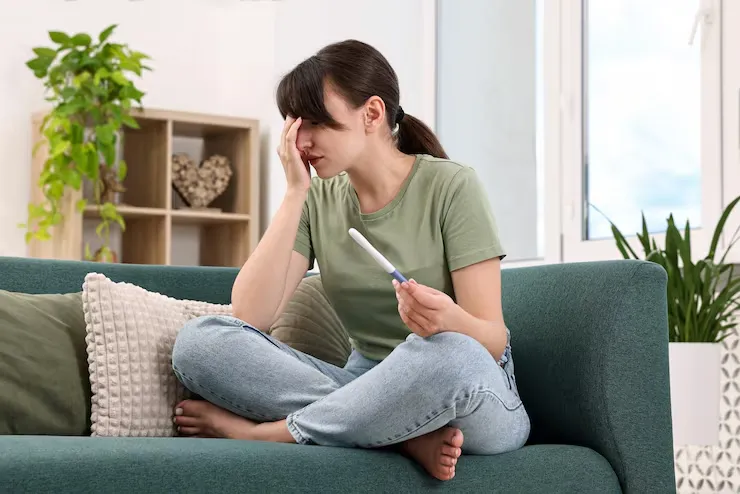

If you have been trying to get pregnant, every delayed period or change in your body can raise questions. You may wonder whether irregular cycles, painful periods or acne are signs of a fertility problem. You may also feel confused if your periods are regular but pregnancy has not happened.
The most important thing to know about symptoms for infertility in women is that there may be no obvious symptoms. For many people, the first sign is simply that pregnancy has not occurred after a period of regular sex without contraception. Other symptoms can point towards a possible underlying cause, but they cannot confirm infertility on their own.
This guide explains which signs are worth discussing with a doctor, when to start an evaluation and what tests you and your partner may be offered.
Explore Female Infertility Care
What Does Female Infertility Mean?
Infertility is generally defined as not achieving a pregnancy after 12 months of regular sex without contraception. It can involve factors relating to the female partner, male partner, both partners or an unexplained cause. 1
This definition is a guide for deciding when to investigate. You do not have to wait a full year if you have irregular periods, a known reproductive condition or another reason for concern.
Doctors may use two terms:
- Primary infertility: A pregnancy has never occurred.
- Secondary infertility: Pregnancy has occurred before, but you are now having difficulty conceiving.
Secondary infertility can be surprising. Having conceived once does not mean that age, ovulation, sperm health or other factors cannot change later.
What Are the Possible Symptoms of Infertility in Women?
There is no single symptom that proves a woman is infertile. Some people have regular cycles and feel well. Others have signs of a condition that may affect conception.
1. Pregnancy has not occurred after trying
This is often the clearest reason to seek an evaluation. The time to seek help depends partly on age:
- Under 35: Arrange an evaluation after 12 months of regular sex without contraception.
- 35 or older: Arrange an evaluation after 6 months.
- Over 40: Discuss fertility concerns with a gynaecologist or fertility specialist sooner.
Seek advice earlier at any age if you already know about a condition that could affect fertility.
2. Irregular or absent periods
Periods that come unpredictably, occur very far apart or stop altogether may suggest that ovulation is not happening regularly.
Possible causes include polycystic ovary syndrome (PCOS), thyroid problems and other hormonal conditions. An irregular cycle does not automatically mean you cannot become pregnant. It does mean that understanding your ovulation pattern may be useful.
If irregular cycles come with acne, increased facial hair or hair thinning, read our guide to PCOS symptoms.
3. Very painful periods or ongoing pelvic pain
Menstrual cramps are common. Pain that regularly disrupts work or daily activities, becomes progressively worse or occurs outside your period deserves assessment.
Endometriosis is one possible cause, although pelvic pain can have several explanations. Some people with endometriosis have difficulty conceiving, while others become pregnant without difficulty. Symptoms alone cannot tell which applies to you.
4. Heavy or unusual bleeding
Very heavy periods, bleeding between periods or bleeding after sex should be discussed with a gynaecologist. Depending on the circumstances, possible causes include hormonal changes, polyps, fibroids or other conditions.
Fibroids do not always affect fertility. Their size and position matter. Learn more about uterine fibroids, and have unusual bleeding evaluated rather than assuming a cause.
5. Signs of a hormonal condition
Depending on the condition, possible clues can include:
- New or worsening acne
- Increased facial or body hair
- Scalp hair thinning
- Unexpected weight changes
- Persistent fatigue
- Nipple discharge when you are not breastfeeding
- Changes in menstrual frequency
These signs have many possible causes. A doctor can decide whether hormone testing is appropriate based on your history and examination.
6. A history of pelvic infection or surgery
Blocked or damaged fallopian tubes usually do not cause a distinctive symptom. A history of pelvic inflammatory disease, certain sexually transmitted infections, ectopic pregnancy or pelvic surgery can make tubal assessment important.
Tell your fertility specialist about past infections and procedures even if they happened years ago and you currently feel well.
Can You Have Infertility With Regular Periods?
Yes. Regular periods often suggest that ovulation is occurring, but they do not assess every part of fertility. The fallopian tubes, uterus and sperm also matter.
A person may have no pain, no unusual bleeding and no apparent hormonal symptoms while still needing help to conceive. That is why fertility evaluation looks beyond a symptom checklist and, when a male partner is involved, includes both partners.
What Is the Most Common Cause of Female Infertility?
Problems with ovulation are among the most common causes of female infertility. If an egg is not released regularly, the opportunity for sperm and egg to meet is reduced.
However, difficulty conceiving can have more than one contributing factor. A proper evaluation should avoid assuming that an irregular period, PCOS diagnosis or one blood test explains everything.
Ovulation problems
Conditions such as PCOS can affect how often ovulation happens. Other hormonal or medical problems may also interrupt the cycle.
Fallopian tube problems
If a tube is blocked or damaged, sperm and egg may be unable to meet. Past infection, endometriosis or surgery may contribute.
Uterine conditions
Some fibroids, polyps or structural differences in the uterus may affect conception or pregnancy. The effect depends on the specific finding.
Endometriosis
Endometriosis may be associated with pain, inflammation and difficulty conceiving. Its impact differs between individuals.
Age-related changes
Fertility generally declines with age, particularly as ovarian function changes. Age is one factor in planning an evaluation, but it does not predict an individual’s chances from a birthday alone.
Male factors or unexplained infertility
Sperm-related factors can contribute even when the female partner’s periods and tests appear normal. Sometimes routine testing does not identify a clear cause.
The aim of evaluation is to understand your particular situation, not to assign blame to either partner.
What Tests Are Used to Investigate Infertility in Women?
You do not need every available fertility test. A gynaecologist or fertility specialist chooses tests according to your age, cycle pattern, medical history and how long you have been trying.
| Test or assessment | What it helps examine |
|---|---|
| Menstrual and medical history | Cycle pattern, possible ovulation issues and relevant past conditions |
| Ovulation assessment | Whether an egg is likely to be released regularly |
| Selected blood tests | Hormonal concerns suggested by your history |
| Pelvic ultrasound | Ovaries, uterus and some structural concerns |
| Tubal assessment, such as HSG | Whether fallopian tubes appear open |
| Semen analysis | Sperm-related factors when a male partner is involved |
Menstrual history and ovulation
Your doctor may first ask for the dates and pattern of your periods. In some cases, a blood progesterone test or other ovulation assessment may be recommended.
If your cycles are regular and predictable, additional testing to confirm ovulation may not always be necessary. The decision depends on the full clinical picture.
Hormone tests
Tests may include thyroid assessment or other hormone measurements when symptoms suggest a possible problem. A clinician should decide which tests are relevant and when in the cycle they should be taken.
Buying a large hormone panel without guidance can create confusion. Some results vary by cycle day and need interpretation alongside symptoms.
Pelvic ultrasound
Ultrasound can help assess the ovaries and uterus. It may identify findings such as fibroids or some ovarian changes. A scan finding alone does not establish the cause of infertility.
Fallopian tube assessment
A hysterosalpingogram, often called HSG, is one method used to check the shape of the uterine cavity and whether the fallopian tubes appear open. Your specialist will explain whether and when it is appropriate.
Semen analysis
If a male partner is involved, semen analysis is a routine and important part of the initial evaluation. Testing only the female partner can delay an accurate understanding of the problem.
Does an AMH Test Tell You Whether You Can Get Pregnant?
No. Anti-Müllerian hormone, or AMH, is one measure used when assessing ovarian reserve and planning certain fertility treatments. An AMH result cannot, by itself, tell you whether you can or cannot conceive naturally.
The result needs interpretation in the context of age, medical history and other findings. Ovarian reserve testing should not be treated as a general screening test for women who have no infertility concerns.
If you already have an AMH report, bring it to your appointment. Avoid drawing conclusions from the number without discussing it with a qualified specialist.
What Happens After Fertility Testing?
The next step depends on the cause found, your age, treatment goals and preferences. A plan may include:
- Treatment for a specific hormonal or medical condition
- Help with ovulation when appropriate
- Treatment of certain uterine or tubal problems
- Care for endometriosis
- Treatment for a male partner’s condition
- Assisted reproductive options such as IUI or IVF when indicated
Sometimes the first round of tests is normal. Your specialist can explain what “unexplained infertility” means in your situation and discuss the available options.
You can also read about treatment options for women facing infertility. Discuss the suitability and evidence for any treatment with your fertility specialist.
Can Homeopathy Help With Female Infertility?
Some people seek a homeopathic consultation while trying to conceive. A consultation may provide time to discuss cycle patterns, existing diagnoses, stress, sleep and general wellbeing.
However, there is no reliable evidence that homeopathy can open blocked fallopian tubes, improve egg quality, prevent miscarriage or increase IVF success. It should not replace a fertility evaluation or delay treatment recommended by a gynaecologist or fertility specialist. Some products labelled homeopathic may also contain active ingredients, so tell your healthcare team about anything you take. 4
If you are considering complementary support, use it alongside a clear diagnostic and treatment plan. Avoid self-prescribing any product while trying to conceive or during pregnancy.
When Should You Seek Help Earlier?
You do not need to wait 6 or 12 months to discuss fertility if you have:
- Absent or very irregular periods
- A known diagnosis of PCOS or endometriosis
- A history of pelvic infection or tubal disease
- Previous pelvic surgery
- A known concern about sperm health
- Treatment that may affect fertility, such as certain cancer treatments
- Severe period or pelvic pain
- Repeated unusual bleeding
If you might be pregnant and develop severe one-sided pelvic pain, vaginal bleeding, shoulder-tip pain, dizziness or fainting, seek urgent medical care. These symptoms can occur with an ectopic pregnancy.
How Dr. Tathed’s Homeopathic Clinic Can Support Your Next Step
Trying to conceive can involve uncertainty, repeated appointments and difficult emotions. At Dr. Tathed’s Homeopathic Clinic, you can discuss your symptoms, menstrual history, existing reports and any treatment you are already receiving.
The clinic offers complementary consultations and can encourage timely gynaecology or fertility-specialist evaluation when needed. A consultation should work alongside, not delay, appropriate tests and evidence-based fertility treatment.
Patients can visit Dr. Tathed’s Homeopathic Clinic in Chinchwad, PCMC-Pune, Viman Nagar, Pune or Thane West.
Get Guidance Based on Your Reports
If you have concerns about irregular periods, a known condition such as PCOS or difficulty conceiving, book a consultation with Dr. Tathed’s Homeopathic Clinic. Bring your previous reports and discuss the right next steps for your situation.
Conclusion
The signs of female infertility are often subtle, and some women have no symptoms at all. Irregular periods, significant pelvic pain or a relevant medical history can provide clues, but testing is needed to understand the cause.
A timely evaluation considers ovulation, reproductive anatomy and, when relevant, sperm health. If you are worried about your fertility, you can seek help earlier rather than waiting for every possible symptom to appear.
Frequently Asked Questions
What is the first sign of infertility in a woman?
Often, there is no visible symptom. The first sign may be that pregnancy has not occurred after a period of regular sex without contraception. Irregular periods or pelvic pain may suggest an underlying condition, but they do not confirm infertility.
Can I have regular periods and still have a fertility problem?
Yes. Regular cycles do not assess the fallopian tubes, uterine cavity or sperm. Both partners may need evaluation when pregnancy has not occurred.
Are painful periods a sign of infertility?
Painful periods do not automatically mean infertility. Severe or worsening pain can occur with conditions such as endometriosis and deserves medical assessment.
Which test confirms infertility in women?
There is no single test that answers every fertility question. Assessment may include cycle history, selected hormone tests, ultrasound and tubal testing. Semen analysis may be needed for the male partner.
Is PCOS always a cause of infertility?
No. PCOS can make ovulation less predictable, but many people with PCOS conceive. An individual evaluation helps determine whether ovulation or another factor needs attention.
Should I wait a full year before seeing a doctor?
If you are under 35 and have no known concerns, evaluation is commonly recommended after 12 months of trying. At 35 or older, seek advice after 6 months. Seek help sooner if you have irregular periods or another known risk factor.
Does a low AMH result mean I cannot become pregnant?
No. AMH is one piece of information used in fertility care. It does not reliably determine whether an individual can conceive naturally. Discuss the result with your specialist in the context of your age and medical history.
Can I visit Dr. Tathed’s Homeopathic Clinic for infertility concerns?
Yes. Dr. Tathed’s Homeopathic Clinic offers complementary consultations in Chinchwad, PCMC-Pune, Viman Nagar and Thane West. The team can review your history and existing reports. A gynaecologist or fertility specialist should guide diagnostic testing and fertility treatment.
References -
- Definition and causes of infertility
- When to seek an infertility evaluation
- Recommended fertility evaluation and interpretation of ovarian reserve tests
- Evidence and safety considerations for homeopathy
- Warning signs of ectopic pregnancy
Medical note: This article is for general information and cannot diagnose infertility. Tests and treatment should be chosen with a qualified gynaecologist or fertility specialist. Do not start or stop medicines or supplements without medical advice.