
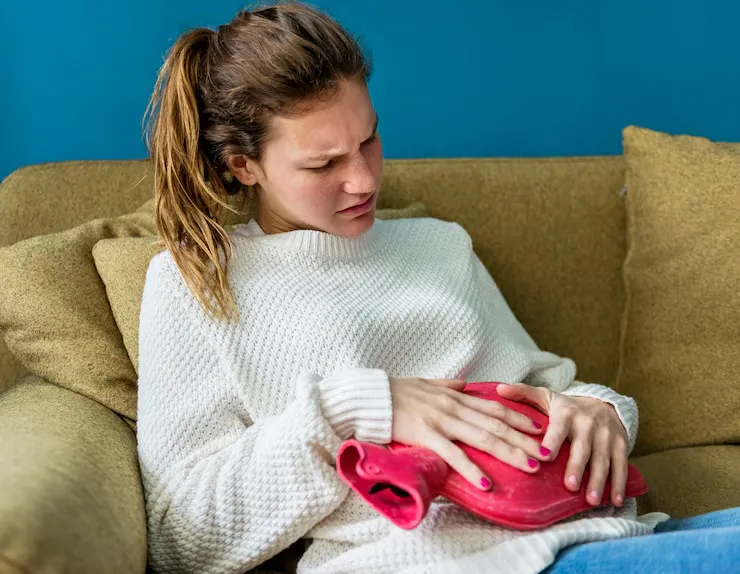

Heavy periods with blood clots can be stressful, disruptive and exhausting. Some people notice clots only on the heaviest day or two, while others experience flooding, repeated large clots, severe cramps or periods that interfere with work, travel and sleep. These symptoms deserve to be taken seriously.
A clot alone does not identify a diagnosis. The key is the overall pattern: how much you are bleeding, how long it lasts, whether the pattern is new, and whether you also have pain, irregular bleeding, dizziness or signs of low iron. This guide explains what may be happening, what a clinician may check and how to take the next safe step.
Book a Confidential Period Consultation
What Are Heavy Periods With Blood Clots?
Heavy menstrual bleeding is bleeding that affects your daily life or causes concern because of its amount, duration or associated symptoms. Large blood clots can form when bleeding is heavy enough that blood and tissue collect before leaving the uterus. Clots may look dark red or maroon and can be jelly-like.
If you want a detailed explanation of why period clots form and what different clot colours can mean, read our guide to blood clots during periods. This article focuses specifically on when a heavy period may need assessment and what happens next.
Signs That Your Period May Be Too Heavy
Book a gynaecology appointment if one or more of these signs apply to you:
- You need to change a pad or tampon every one to two hours, or empty a menstrual cup more frequently than recommended.
- You need to use two kinds of period protection together or regularly bleed through clothes or bedding.
- Your period lasts more than seven days.
- You pass clots around 2.5 cm or larger repeatedly.
- You avoid work, study, exercise or social plans because of bleeding or pain.
- You feel tired, dizzy, short of breath, faint or notice pale skin.
- You bleed between periods or after sex, or your pattern has changed noticeably.
When heavy bleeding needs urgent help
Seek urgent care rather than waiting for a routine appointment if bleeding is rapidly soaking protection, you feel faint or severely weak, you have sudden severe pelvic pain, fever, or bleeding with a possible or known pregnancy. Do not self-treat severe bleeding at home.
Book a Confidential Period Consultation
What Can Cause Heavy Periods and Large Blood Clots?
There is no single cause of heavy bleeding. Some people have heavy periods without a clear underlying condition, but a clinician should assess a new or worsening pattern. Possible causes include the following.
Conditions affecting the uterus
Fibroids, polyps and adenomyosis can be associated with heavy bleeding and clots. If you have pressure symptoms, pelvic pain, frequent urination or a persistent heavy-flow pattern, mention these details at your appointment. Learn more about fibroids and heavy menstrual bleeding.
Hormonal and ovulation changes
Changes in ovulation can affect how the uterine lining builds and sheds. This may occur with conditions such as PCOS and irregular periods, thyroid disorders, adolescence and the years before menopause. A clinician will consider your age, cycle history and other symptoms rather than assuming a hormonal cause.
Medicines, contraception and bleeding disorders
Some medicines, including blood-thinning medicines, and some forms of contraception can influence bleeding. Inherited bleeding disorders are less common but may be considered when heavy periods began from the first period, there is easy bruising or frequent nosebleeds, or there is a family history of unusual bleeding.
Pregnancy-related bleeding
Bleeding with clots can occur in pregnancy-related conditions and should never automatically be treated as an ordinary period. If pregnancy is possible, seek prompt clinical advice, especially if there is pain, dizziness or shoulder pain.
What Happens at a Medical Assessment?
A good assessment starts with your story. A clinician may ask when the heavy bleeding began, how often you change period products, whether you pass clots, how long bleeding lasts, whether pregnancy is possible, what medicines you take and whether close relatives have bleeding problems.
Depending on your symptoms and health history, the clinician may consider:
- A pregnancy test when appropriate.
- Blood tests to look for anaemia or other possible contributors.
- A pelvic examination when clinically appropriate.
- Ultrasound or other investigations if symptoms suggest a structural cause such as fibroids or polyps.
- Referral to a gynaecologist or another specialist when needed.
Not everyone needs every test. The right approach depends on your symptoms, age, examination and medical history. Keeping a period diary for two or three cycles can help make the consultation clearer.
How to Keep a Useful Heavy Period Diary
You do not need to measure every millilitre of blood. A simple record of how your period affects day-to-day life is more useful. Use a paper note or a cycle app and record the following details for two or three cycles, unless your symptoms need urgent care sooner.
- The first and last day of bleeding, including spotting between periods.
- How often you change pads, tampons, period pants or empty a menstrual cup.
- Whether you use two products together, wake at night to change protection or bleed through clothing or bedding.
- How often clots occur and an approximate comparison for their size.
- Pain level, missed activities, dizziness, fatigue, breathlessness or fever.
- New medicines, supplements, contraception or changes in your general health.
Take this record to your appointment. It can help a clinician understand both the physical symptoms and the practical effect of the bleeding on your life.
Treatment Options for Heavy Periods
Treatment is chosen after considering the cause, how heavy the bleeding is, your future pregnancy plans, other health conditions and your own preferences. A clinician may discuss medicines that reduce bleeding, hormonal options, treatment for an underlying condition, or a procedure when a structural cause is identified.
Do not start, stop or borrow tablets marketed for heavy bleeding without medical advice. Some medicines are not suitable in pregnancy, with certain health conditions or alongside particular prescriptions. The safest plan is one based on a proper assessment.
Comfort and Low-Iron Support While You Arrange Care
Heavy blood loss can contribute to iron deficiency and anaemia. Fatigue, shortness of breath, dizziness and poor concentration are symptoms worth reporting. Eat regular nourishing meals and ask a clinician whether testing for iron deficiency is appropriate before starting iron supplements.
For comfort while you are arranging care, you can:
- Use a heating pad or warm compress for cramps, following the product instructions.
- Rest when needed and keep fluids available if you feel tired.
- Track bleeding, pain, clots and how often you change period products.
- Keep a list of all medicines, supplements and contraception for your appointment.
These steps can support comfort, but they do not replace assessment for persistent, severe or worsening bleeding.
How Dr. Tathed's Homeopathic Clinic Can Support You
Dr. Tathed's Homeopathic Clinic offers a private setting to discuss ongoing period concerns, your health history and questions about complementary care. Heavy bleeding, recurrent large clots and symptoms of anaemia still need timely evaluation by a qualified gynaecologist. Complementary care should not delay urgent care, specialist assessment or treatment for an identified medical condition.
To discuss ongoing concerns, book a confidential consultation with Dr. Tathed's Homeopathic Clinic in PCMC-Pune (Chinchwad), Viman Nagar, Pune, or Thane West.
Find Your Nearest Homeopathy Clinic
- Homeopathy Clinic in Chinchwad (PCMC), Pune : Opposite lokmanya hospital, near railway bridge, Renuka Sai Society, Ganesh Nagar, Chinchwad, Pimpri-Chinchwad, Maharashtra 411033
- Homeopathy Clinic in Viman Nagar, Pune : Datta Mandir Chowk, Unit 106, 1st Floor, Lunkad Skymax Mall, Konark Nagar, Clover Park, Viman Nagar, Pune, Maharashtra 411014
- Homeopathy Clinic in Thane West : Office No. 207, JVM’s Corner Stone, Hariniwas Circle, Lal Bahadur Shastri Marg, Naupada, Thane West, Thane, Maharashtra 400602
Conclusion
Heavy periods with blood clots are not something you have to simply tolerate. Tracking the pattern and getting timely medical assessment can help identify the cause and guide appropriate care. If you are soaking protection quickly, feeling faint, experiencing severe pain or have pregnancy-related bleeding, seek urgent help.
For non-urgent ongoing concerns, contact Dr. Tathed's Homeopathic Clinic to arrange a confidential consultation.
Frequently Asked Questions
Are heavy periods with blood clots normal?
Small clots can happen during a heavier flow, but repeated large clots, flooding, periods lasting more than seven days or symptoms of anaemia should be assessed by a clinician.
What size blood clot is too large during a period?
Repeated clots around 2.5 cm or larger, especially with heavy bleeding or pain, are a reason to seek medical advice. Size is only one part of the picture.
Can fibroids or PCOS cause heavy periods and clots?
Both can be associated with changes in menstrual bleeding. See our information on fibroids and PCOS, then arrange a personalised medical assessment for new or persistent symptoms.
Should I take tablets to stop heavy period bleeding?
Only take medicines for heavy bleeding after advice from a qualified clinician. The right choice depends on the cause of bleeding, pregnancy possibility, other medicines and personal health risks.
Can heavy periods cause anaemia?
Yes. Ongoing heavy blood loss can contribute to iron deficiency and anaemia. Speak to a clinician if you feel unusually tired, dizzy, breathless or faint.
Where can I visit Dr. Tathed's Homeopathic Clinic for period concerns?
Dr. Tathed's Homeopathic Clinic has locations in PCMC-Pune (Chinchwad), Viman Nagar, Pune, and Thane West. Use the clinic contact page to request a confidential consultation. If bleeding is severe or urgent, seek prompt gynaecology or emergency care first.
Medical References -
- American College of Obstetricians and Gynecologists: Heavy menstrual bleeding
- NHS: Heavy periods
- Centers for Disease Control and Prevention: Heavy menstrual bleeding and bleeding disorders
- American College of Obstetricians and Gynecologists: Heavy menstrual bleeding in adolescents
Important medical note: Heavy bleeding, possible pregnancy with bleeding or pain, fainting, severe weakness, severe pelvic pain, fever or rapidly soaking period protection requires urgent medical assessment. This article gives general information and cannot diagnose the cause of bleeding.