Polycystic Ovary Syndrome (PCOS)
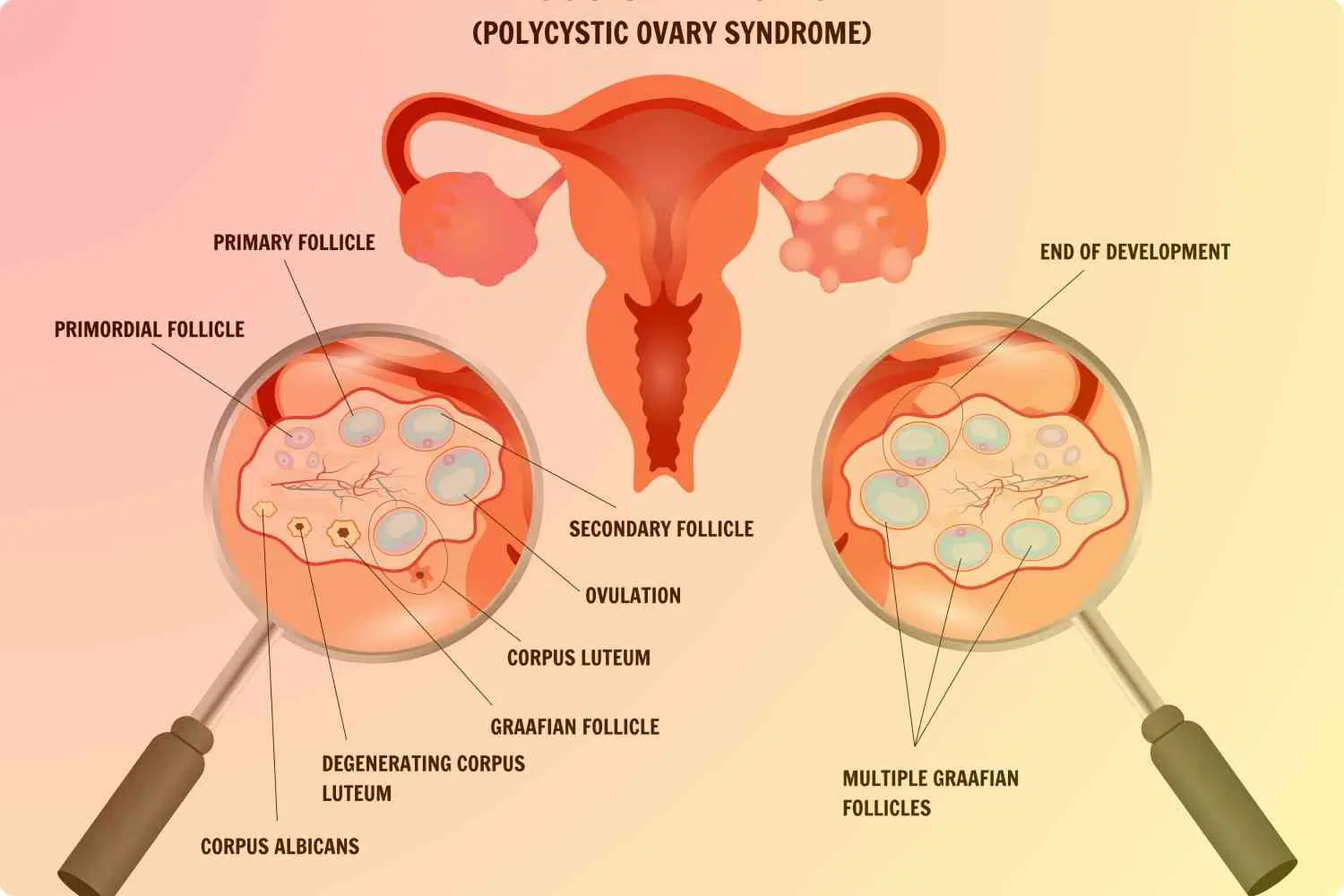
This is the most common problem among women these days due to a high change in lifestyles and diets, though these are not the only causes. To define this, polycystic ovary syndrome is a condition when not enough hormones (androgen) are produced by the body for ovulation. It forms cysts in the uterus.
PCOS hinders with fertility, a normal menstrual cycle, and hormone levels in the body. It leads to one being overweight, growth of more than normal body hair, and due to changes in hormonal levels, it might also lead to mood swings or even clinical depression. While other kinds of treatments do not treat it as completely curable, homoeopathy claims that it can be treated completely.
Causes
The exact cause of PCOS remains unknown, but there are several theories and contributing factors. It is often associated with increased production of male hormones (androgens) in the body, or with excess insulin, which could influence hormone balance. As mentioned earlier, modern lifestyle changes may also play a significant role – and unfortunately, 'lifestyle changes' here generally means negative ones. An unhealthy lifestyle includes poor eating habits, minimal physical activity, and not giving your body the care it needs. The rising levels of pollution in today's environment might also contribute to the development of PCOS.
The body produces higher levels of androgens (male hormones) than normal, a condition called hyperandrogenism. This overproduction may sometimes have a genetic basis, but, as stated, many of these explanations remain educated guesses rather than proven facts.
Beyond physical factors, there are also psychological causes for PCOS. High levels of stress can lead to irregular periods. Experiencing significant emotional losses—whether the loss of a loved one, a pet, or even something of sentimental value—can be a major factor. Women who have gone through miscarriages or abortions may experience impacts to their mental health that are just as significant as the effects on their physical health.
PCOS Symptoms
Following are the symptoms that a person going through Polycystic Ovary Syndrome might observe
If you are wondering whether you have polycystic ovary syndrome, the above symptoms might guide you in some way. If your doubts persist, connect with a doctor. You will be properly diagnosed by a professional and be prescribed medications for treatment. While some claim this is not all the way curable, homoeopathy disagrees.

Complications after PCOS
- Infertility: It goes without saying that no ovulation or less ovulation means trouble conceiving.
- This puts a person at risk of endometrial cancer.
- Not only endometrial cancer, but it might also put you on the verge of breast cancer too.
- Gestational diabetes and pre-eclampsia might also be a complication if you have polycystic ovary syndrome.
Homoeopathic Treatment
As mentioned in the earlier sections, homoeopathy claims to cure PCOS completely. It can be treated as such and help to lure your menstrual cycle into a proper schedule. Homoeopathy focuses on deleting the root cause rather than just providing relief for a limited period of time. It may take time, but it is effective in most cases. It might just be your best shot to conceive naturally if you are hoping to.

Medicines
Homoeopathic medicines for the treatment of PCOS
Sepia:
This is at the top of the list of medicines for the treatment of PCOS, and rightly so. This helps with almost all the symptoms of PCOS. It controls hair growth in other regions of your body parts. It helps the menstrual cycle into regularity, that is, periods occurring at almost the same intervals every time (within 21 to 42 days). This medicine can also prove to be a bug help if you are one of those people who are trying to conceive naturally.
Pulsatilla:
This medicine is helpful in cases of suppressed periods. And when the periods occur after they are suppressed, the flow is very heavy, and it is extremely painful. Pulsatilla removes all the obstacles and allows the flow freely. The pain is reduced after the flow becomes normal.
Calcarea Carb:
In some cases, the periods do not occur, and in some, when they do, they are present for a longer than usual amount of time. This medicine also helps in shedding the extra weight that comes with polycystic ovary syndrome.
Natrum Mur:
This is a medicine that is only responsible for making the menstrual cycle regular.
Oophorinum:
It is probably the best indicated medicine for irregular menses , it helps stop the growth of facial hair . it helps correct the hormonal imbalances