
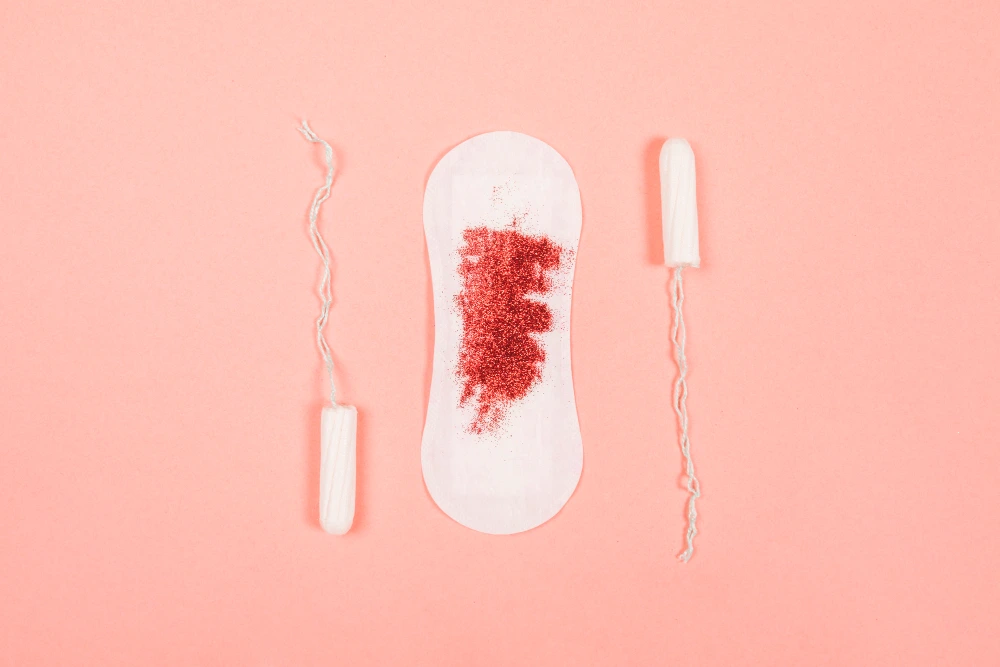

Seeing blood clots during a period can feel worrying. A menstrual clot is a jelly-like mix of blood and shed uterine lining. It can happen when menstrual flow is heavy enough that blood pools and thickens before leaving the uterus. Small, occasional clots may occur on heavier days. The important question is whether the clotting is new, frequent, large, or accompanied by heavy bleeding, pain or symptoms of anaemia.
This guide explains menstrual flow with blood clots in simple language, including possible causes, clot colour, warning signs and safe next steps. It is not a diagnosis. A medical assessment is the safest way to understand a change in your normal period pattern.
Menstrual Flow With Blood Clots: When Can It Be Normal?
During menstruation, the uterus sheds its lining. The body normally releases substances that help menstrual blood stay fluid. With a heavier flow, there may not be enough time for all the blood and tissue to pass smoothly, so a clot can form. Dark red or maroon clots are commonly seen on the first few heavier-flow days.
A single small clot does not automatically mean there is a serious problem. What matters most is the overall pattern: how often clots appear, their approximate size, the amount of bleeding, the duration of the period and whether you feel unwell.
When Are Big Blood Clots During Periods a Concern?
Arrange a gynaecology appointment if you notice any of the following:
- You soak through a pad or tampon every hour for several hours.
- Your period lasts longer than seven days or keeps returning unusually heavy.
- You repeatedly pass clots around 2.5 cm or larger.
- You need two forms of period protection, or regularly wake at night to change protection.
- You bleed between periods or after sex.
- Cramps, pelvic pain or back pain disrupt work, sleep or daily activities.
- You feel unusually tired, dizzy, breathless, faint or notice pale skin, which can be signs of iron deficiency or anaemia.
When to seek urgent help
Seek urgent medical care if you have possible pregnancy with bleeding or pain, sudden severe pelvic pain, fainting, severe weakness, fever, foul-smelling discharge, or bleeding that is rapidly soaking protection. Do not wait for a routine consultation when these symptoms are present.
Why Do Blood Clots During Periods Happen?
Clots are a sign of how your period is flowing, not a diagnosis by themselves. Common reasons for a heavier or more clot-filled period include:
Heavy menstrual bleeding
A heavy flow is the most direct reason that period blood may clot. Your clinician will ask how frequently you change period products, whether bleeding affects normal life and how long your period lasts.
Fibroids, polyps and adenomyosis
Non-cancerous uterine growths, such as fibroids, can be associated with heavy bleeding and clots. Polyps and adenomyosis are other conditions a gynaecologist may consider when symptoms are persistent.
Hormonal and ovulation changes
Conditions that affect ovulation, such as PCOS, thyroid disorders and the transition toward menopause can change the timing and amount of bleeding. A fuller history and appropriate tests help identify the cause.
Medicines, contraception and bleeding conditions
A copper intrauterine device, some medicines and less common bleeding disorders can affect menstrual bleeding. Tell your clinician about all medicines, supplements and contraception. Do not stop prescribed medicine without medical advice.
Pregnancy-related bleeding
Bleeding and clots in a possible or known pregnancy need prompt clinical advice. Pregnancy-related bleeding should not be assumed to be a period.
What Does the Colour and Texture of Period Blood Mean?
Colour usually reflects how quickly blood leaves the uterus rather than identifying a specific disease. It should always be interpreted alongside bleeding amount, pain, smell and any other symptoms.
- Bright red blood or clots: often means fresher blood moving out more quickly, commonly on heavier days.
- Dark red or maroon clots: are common and usually reflect blood that has taken a little longer to leave the uterus.
- Brown or black clots: can be older blood, often seen at the start or end of a period. If they occur with fever, strong odour or significant pain, seek medical advice.
- Thick or sticky period blood: can occur with normal menstrual tissue and flow changes. A new or concerning pattern is more important than one description of texture.
What to Expect at a Medical Appointment
A clinician may ask about cycle length, duration, clot size, pain, contraception, medicines, pregnancy possibility, family history and symptoms of anaemia. Depending on your symptoms, they may recommend a pregnancy test, blood tests, a pelvic examination or imaging. The purpose is to identify the cause and choose treatment that is appropriate for you.
Keeping a short period diary can make the appointment more useful. Record:
- The first and last day of bleeding.
- How often you change pads, tampons, menstrual cups or other products.
- Approximate clot size and how often clots occur.
- Pain level, dizziness, fatigue, fever or bleeding between periods.
- Any medicines, new contraception or major changes in health.
Safe Self-Care While You Arrange Assessment
Self-care can support comfort, but it cannot establish the cause of heavy bleeding. Avoid remedies or supplements that claim to stop severe bleeding immediately. Instead, focus on safe, practical steps while arranging care.
- Use a heating pad or warm compress for cramps, following product safety instructions.
- Rest when needed and continue gentle movement only if you feel well enough.
- Eat regular, nourishing meals. If periods are heavy, ask a clinician whether you need testing for iron deficiency or anaemia before starting iron supplements.
- Stay hydrated for general wellbeing, especially if you feel tired or light-headed. Hydration does not treat the underlying cause of heavy bleeding.
- Use a period diary so that changes can be discussed clearly with your clinician.
Can Heavy Periods With Clots Cause Iron Deficiency Anaemia?
They can. Repeated heavy blood loss may reduce iron stores and can lead to iron-deficiency anaemia. Tiredness, reduced exercise tolerance, dizziness, headaches, pale skin and shortness of breath are reasons to arrange medical advice. A clinician can decide whether blood tests, including a full blood count and iron studies, are appropriate. Do not assume that fatigue is simply part of having periods.
Iron-rich foods can be part of a balanced diet, but food alone may not correct significant iron deficiency or ongoing heavy bleeding. Treatment needs to address both the cause of blood loss and the low iron, when present.
Blood Clots During Periods at Different Life Stages
Teenage years
Periods can be irregular in the first years after they begin, but very heavy bleeding should not be dismissed. In teenagers, clinicians may consider anaemia, ovulation-related hormonal changes and, when the history suggests it, a bleeding disorder. Bring a period diary and note whether bleeding soaks through clothes or bedding, causes missed school, or occurs with frequent bruising or nosebleeds.
Perimenopause
As periods become less regular in the years before menopause, flow and clotting can change. New, increasingly heavy or irregular bleeding still needs assessment. A clinician may consider causes such as fibroids, adenomyosis, polyps or hormonal changes, and will decide whether further tests are needed.
Questions to Take to a Gynaecology Appointment
Preparing a few questions can make it easier to leave the appointment with a clear plan. You may wish to ask:
- Could my bleeding pattern be linked to fibroids, PCOS, thyroid changes, a medicine or a bleeding disorder?
- Do I need blood tests for anaemia or iron deficiency?
- Is a pregnancy test, pelvic examination or ultrasound appropriate for my symptoms?
- What are the benefits, risks and side effects of the treatment options you recommend?
- What symptoms should make me seek urgent care rather than wait for follow-up?
- How should I track my bleeding, pain and clotting between appointments?
What Not to Do When Bleeding Is Heavy
When bleeding is heavy, it is understandable to look for an immediate solution online. However, some choices can make care less safe or delay diagnosis.
- Do not self-prescribe hormones, medicines that affect bleeding, high-dose supplements or homeopathic remedies as a substitute for clinical assessment.
- Do not stop prescribed anticoagulants, contraception or other medication without advice from the clinician who prescribed it.
- Do not ignore recurrent flooding, large clots, breathlessness, fainting, fever or severe pelvic pain.
- Do not assume that a new pattern is normal just because a friend or family member has heavy periods.
A Simple Plan for Your Next Period
Use this plan for non-urgent symptoms. If you have warning signs of urgent bleeding, possible pregnancy with bleeding or pain, fainting, fever or severe pain, seek urgent medical care instead.
- Track the start date, end date, product changes, clotting, pain and any symptoms such as dizziness or fatigue.
- Take photographs only if you are comfortable and if they would help you explain the clot size to a clinician. Do not rely on photographs for self-diagnosis.
- Arrange a gynaecology appointment when the pattern is new, recurring, heavy or affecting daily life.
- Take your period diary and a list of current medicines, supplements and contraception to the appointment.
- For a confidential complementary-care discussion after appropriate evaluation, contact Dr. Tathed's Homeopathic Clinic.
How Dr. Tathed's Homeopathic Clinic Can Support You
At Dr. Tathed's Homeopathic Clinic, a consultation can help you discuss your cycle pattern, symptoms and concerns in a private setting. For heavy bleeding, recurrent large clots or possible anaemia, timely assessment by a qualified gynaecologist remains essential. Any complementary approach should be discussed after appropriate medical evaluation and should not delay urgent or specialist care.
You can book a confidential consultation with Dr. Tathed's Homeopathic Clinic in PCMC-Pune (Chinchwad), Viman Nagar, Pune, or Thane West. Online consultations may also be available through the clinic.
Need help understanding a change in your periods? Contact Dr. Tathed's Homeopathic Clinic for a confidential consultation, and seek urgent gynaecology care first if you have severe bleeding, pregnancy-related bleeding, fainting, fever or severe pain.
Conclusion
Menstrual flow with blood clots is not always a cause for alarm, but recurring large clots or heavy bleeding deserve attention. Tracking the pattern and getting the right assessment can help identify whether fibroids, hormonal changes, a bleeding disorder or another cause is involved. Do not accept severe symptoms as something you simply have to live with.
For a private conversation about ongoing period concerns, contact Dr. Tathed's Homeopathic Clinic. If symptoms are severe or urgent, seek immediate gynaecology or emergency care.
Frequently Asked Questions
Are blood clots during periods normal?
Small, occasional clots may occur, especially on heavier-flow days. Repeated large clots, a sudden change in your usual pattern, heavy bleeding or symptoms such as dizziness should be assessed by a clinician.
What size period blood clot is considered concerning?
Repeated clots around 2.5 cm or larger, especially with heavy bleeding, merit medical advice. Size is not the only factor. The amount of bleeding, duration, pain and symptoms of anaemia matter too.
Can fibroids or PCOS cause blood clots during periods?
They can be associated with heavier or irregular bleeding. Learn more about fibroids and PCOS, then consult a qualified clinician for a personalised assessment.
Are black clots in period blood dangerous?
Black or brown clots can be older blood and may be seen at the start or end of a period. Get medical advice if the change is persistent or comes with strong odour, fever, severe pain or very heavy bleeding.
How can I reduce blood clots during my period naturally?
There is no proven home remedy that should be used to stop severe period bleeding or to replace diagnosis. Tracking your cycle, using warmth for cramps, eating regular meals and arranging medical assessment are safer next steps when clots are frequent or periods are heavy.
When should I see a doctor for menstrual clots?
See a doctor if you are soaking protection every hour for several hours, bleeding for more than seven days, repeatedly passing large clots, bleeding between periods, or feeling dizzy, short of breath or unusually tired. Seek urgent care for possible pregnancy with bleeding or pain, fainting, severe pain or fever.
Where can I visit Dr. Tathed's Homeopathic Clinic for period-related concerns?
Dr. Tathed's Homeopathic Clinic has locations in PCMC-Pune (Chinchwad), Viman Nagar, Pune, and Thane West. You can also use the clinic's contact page to request a confidential consultation. Severe or persistent heavy bleeding needs timely gynaecology assessment.
Medical References -
- American College of Obstetricians and Gynecologists: Heavy Menstrual Bleeding
- NHS: Heavy periods
- World Health Organization: Menstrual health
- NHS: Iron deficiency anaemia
- American College of Obstetricians and Gynecologists: Heavy menstrual bleeding in adolescents
Important medical note: This article provides general education. Heavy bleeding, recurring large clots, pregnancy-related bleeding, severe pain, fever, fainting or breathlessness need timely assessment by a qualified gynaecologist or emergency clinician.