
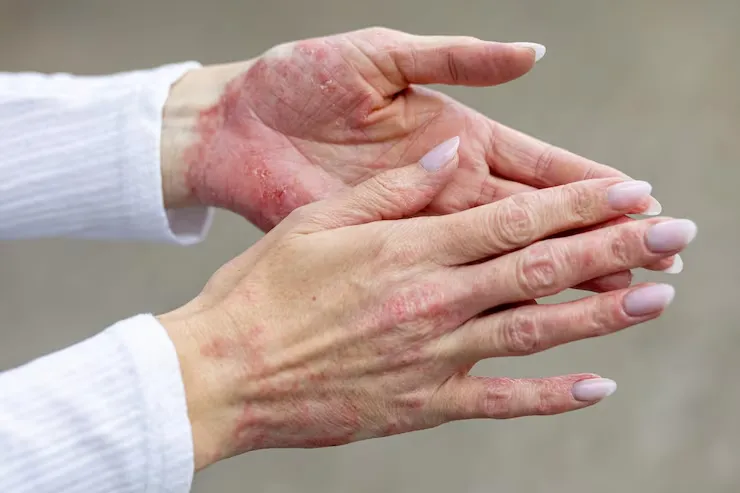

Dry, itchy skin that keeps returning can be frustrating. You may wonder whether it is eczema, an allergy or simply dry skin. Eczema is a name for a group of skin conditions that can cause itching, dryness and rashes. Symptoms can look different from person to person, and other skin conditions can look similar, so an examination may be needed to confirm the cause.
This guide explains common eczema symptoms, types, possible triggers, everyday skin-care steps and when to seek medical advice. It also explores different aspects of eczema treatment, including skin-care management and approaches that may help manage recurring symptoms. Dr. Tathed’s Homeopathic Clinic can discuss your concerns and explain available homeopathic care options while encouraging appropriate medical assessment.
What is eczema?
Eczema refers to a group of conditions that cause dry, itchy or inflamed skin. Atopic dermatitis is a common type. It often starts in childhood, but adults can develop it too.
Eczema may have periods when the skin is calmer and periods when symptoms flare. It is not contagious, so you cannot catch it from another person or pass it on through touch.
Common eczema symptoms
Eczema symptoms vary depending on the type, skin tone, age and body area. They may include:
- Dry, itchy skin
- Red, darker, lighter, purple or grey patches, depending on skin tone
- Scaling, flaking or rough areas
- Cracks that may sting or bleed
- Thickened skin after repeated scratching
- Small blisters or areas that ooze during a flare
Eczema can appear on the hands, face, neck, elbows, knees, wrists, ankles or other areas. In babies and young children, it often appears on the cheeks or scalp as well as the arms and legs.
Scratching can damage the skin and increase the chance of infection. If itching is affecting sleep, daily activities or a child’s mood, discuss it with a healthcare professional.
What are the different types of eczema?
“Eczema” does not describe just one rash. Common types include:
Atopic dermatitis
Atopic dermatitis often causes dry, itchy skin and recurring flares. It is more common in people with a personal or family history of eczema, asthma or hay fever, but it can affect anyone.
Contact dermatitis
Contact dermatitis happens when the skin reacts to an irritant or allergen. Soaps, detergents, fragrances, metals and some workplace substances can be involved. The rash may appear where the skin touched the trigger.
Dyshidrotic eczema
This type can cause small, itchy blisters on the palms, sides of the fingers or soles of the feet. The skin may later become dry or cracked.
Discoid eczema
Discoid eczema can appear as round or oval patches that may be itchy, dry or scaly. It can occur on different parts of the body.
Seborrhoeic dermatitis
This condition commonly affects areas with more oil glands, such as the scalp, eyebrows, sides of the nose and chest. It may cause flaky or irritated skin.
A clinician can help distinguish these conditions from fungal infections, psoriasis and other rashes. The right treatment depends on the diagnosis.
What causes eczema, and what can trigger a flare?
There is not one cause of eczema for everyone. Atopic dermatitis is associated with a weakened skin barrier and an overactive inflammatory response. Family history can increase the likelihood, but it does not mean a person will definitely develop eczema.
Triggers differ from person to person. Possible eczema triggers include:
- Fragranced soaps, detergents or skin products
- Heat, sweating or sudden temperature changes
- Rough fabrics or repeated friction
- Dust, pollen, pets or other allergens
- Skin infections
- Stress or poor sleep
- Hormonal changes
Keeping a simple symptom diary can help you notice patterns. Record when a flare starts, where it appears, products you have used and any other changes. Do not eliminate whole food groups without medical advice, especially for a child. A healthcare professional can advise whether allergy testing or a diet change is appropriate.
Is eczema contagious?
No. Eczema is not contagious. It does not spread by touching someone, sharing a room or using the same household items.
If a rash is spreading quickly, painful, warm, crusted or producing pus, it may need prompt assessment for infection or another cause. Do not assume every spreading rash is eczema.
What can help care for eczema-prone skin?
Skin-care steps may reduce dryness and irritation, though they do not replace medical treatment when symptoms are significant.
- Use a gentle, fragrance-free moisturiser regularly, especially after bathing.
- Choose lukewarm rather than very hot water.
- Use mild cleansers and avoid scrubbing affected skin.
- Wear soft, breathable clothing if rough fabrics irritate your skin.
- Keep nails short and try not to scratch.
- Note products or conditions that seem to trigger symptoms.
- Ask a clinician or pharmacist before using medicated creams, particularly on a child’s face or delicate skin.
Do not stop a prescribed cream because you are concerned about it. Ask the prescribing clinician how and where to use it safely.
When should you see a doctor?
Arrange a medical assessment if you or your child has persistent itching, recurring rashes, cracked skin, or symptoms that are affecting sleep or daily life. An assessment can help confirm whether the problem is eczema and identify other possible causes.
Seek prompt medical advice if the skin becomes painful, hot or swollen; develops pus-filled spots; forms widespread blisters or crusts; worsens suddenly; or comes with fever or feeling unwell. These can be signs of infection or another condition needing timely care.
Discuss your skin concerns at a clinic near you
If recurring itchy or dry patches are affecting you, Dr. Tathed’s Homeopathic Clinic can discuss your concerns and help you understand what information to bring to an assessment. You can find the clinic in PCMC, Pune, Viman Nagar, Pune, or Naupada, Thane.
For information about the clinic’s eczema service, see eczema care at Dr. Tathed’s Homeopathic Clinic. Eczema symptoms can have different causes, so seek a qualified medical assessment and do not delay prescribed care.
Conclusion
Eczema can cause recurring itching, dryness and irritated skin, but symptoms and triggers vary. Gentle skin care may help protect the skin barrier, while persistent or severe symptoms deserve a professional assessment. Seek prompt care if the rash becomes painful, infected-looking or is accompanied by fever.
Frequently asked questions
What are the first signs of eczema?
Early signs may include dry, itchy skin or recurring patches of irritation. The appearance varies by skin tone and eczema type. A clinician can assess the rash and consider other possible causes.
Can eczema appear suddenly in adults?
Yes. Eczema can begin at any age. A new rash in adulthood can also have other causes, so get it checked if it persists, spreads or causes significant discomfort.
Is eczema the same as an allergy?
No. Eczema is a group of skin conditions. Some flares may be associated with irritants or allergens, but eczema is not always caused by an allergy.
Can I use home remedies for eczema?
Be cautious with home remedies, essential oils and strong household products. They can irritate sensitive skin. Use gentle skin care and ask a qualified healthcare professional before applying a new product to inflamed or broken skin.
Can I visit Dr. Tathed’s Homeopathic Clinic about eczema?
You can contact Dr. Tathed’s Homeopathic Clinic to discuss your skin concerns and available care. Locations include PCMC, Pune; Viman Nagar, Pune; and Naupada, Thane. A proper assessment is important because different skin conditions can look similar.
References
- NHS: Atopic eczema symptoms, causes and treatment
- American Academy of Dermatology: Atopic dermatitis overview
- American Academy of Dermatology: Atopic dermatitis diagnosis and treatment
Medical note: This article is for general information and cannot diagnose eczema. Do not start, stop or replace prescribed treatment without consulting a qualified healthcare professional.