
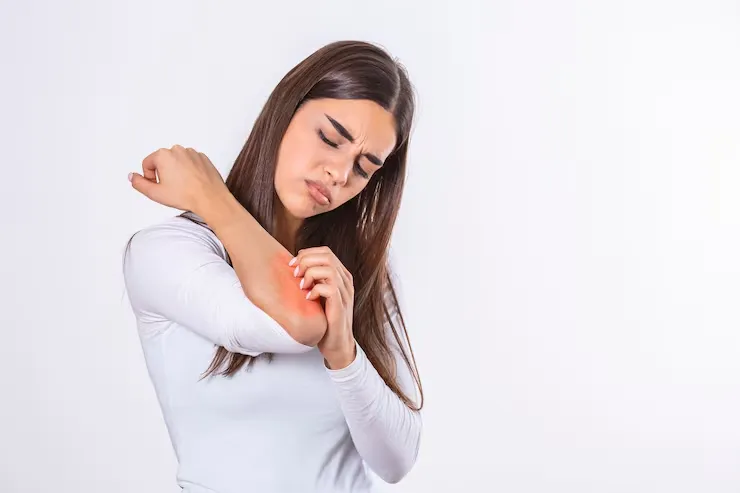

Treatment of itching in whole body should start with finding the likely cause, not simply trying one more cream. Itching can come from dry skin, a new product, eczema, hives, scabies, bites, a medicine reaction or an underlying health condition. The best next step depends on what the skin looks like, how long the problem has lasted, where it began and whether you have other symptoms.
This guide explains low risk comfort measures, cause based treatment pathways and the symptoms that need medical care. It cannot diagnose an itch online. If itching is severe, widespread, unexplained or affecting sleep, a qualified clinician can help identify the cause before treatment is delayed.
The Right Treatment Depends on the Cause
Itch is a symptom rather than one disease. A treatment that is suitable for dry skin may not help scabies. A product used for a small area of eczema may be inappropriate for a widespread medicine reaction. This is why a cause first approach is safer than repeatedly mixing soaps, creams, supplements and over the counter medicines.
Look at the pattern before choosing your next step. Consider when the itching started, whether there is a rash, the areas involved, changes in skin products or laundry products, new medicines, travel, contact with someone who is itchy and any fatigue, fever, swelling or changes in urine or skin colour.
A Quick Guide to Treating Body Itching
| What you notice | A safe first response | When to seek medical advice |
|
Dry, tight or flaky skin, worse after heat, hot showers or fragranced products |
Use cool or lukewarm water, a plain fragrance free moisturiser and loose soft clothing. |
Book review if the skin cracks, oozes, hurts, bleeds or does not settle. |
|
Itch after a new cosmetic, detergent, fabric, workplace substance or jewellery |
Stop the suspected new product when safe and simplify skin care. |
Seek assessment if the rash persists, returns or the trigger is unclear. |
|
Hives, swelling, a spreading rash, or itch after food or a medicine |
Do not guess the trigger. Get pharmacist or clinician guidance before adding treatment. |
Urgent care is needed for breathing trouble, throat swelling, faintness or severe reactions. |
|
Intense night itch, burrows, bites or multiple household contacts with symptoms |
Arrange correct identification for scabies, lice, bedbugs or another cause. |
Do not delay because household contacts or the home may also need action. |
|
Whole body itch with little or no rash, lasting weeks or accompanied by other symptoms |
Record medicines and symptoms. Do not stop prescribed medicines on your own. |
Book a medical assessment for possible internal, medicine related or pregnancy related causes. |
This guide supports informed next steps. It does not replace an examination or prescribe treatment for a particular diagnosis.
Start With Simple Safe Skin Care
When symptoms are mild and there are no warning signs, gentle skin care can reduce irritation while you watch for a pattern or arrange an appointment. These steps are useful for many causes, but they do not treat infection, scabies, severe allergy or an internal health problem.
- Use a cool compress for a short time instead of scratching. Keep fingernails short to lower the chance of skin breaks and infection.
- Take short lukewarm showers or baths. Long hot showers and vigorous scrubbing can dry and irritate the skin further.
- Apply a plain fragrance free moisturiser while the skin is slightly damp. Use gentle fragrance free cleanser and detergent where possible.
- Wear loose soft clothing, keep the bedroom comfortably cool and avoid wool or rough fabrics against itchy skin.
- Pause newly introduced cosmetics, perfumes, fabric softeners or skin products one at a time when safe. Avoid replacing them with several new products at once.
- Keep a brief symptom record. Note the date, affected area, visible changes, medicines, foods, travel, household symptoms and what makes itching better or worse.
- Ask a pharmacist before using an over the counter anti itch medicine, especially for a child, during pregnancy, with kidney or liver disease, or when other medicines are being taken.
Treating Itching by Likely Cause
Dry Skin and Everyday Irritants
If skin feels dry, rough, tight or itchy after bathing, heat and everyday irritants are common possibilities. Fragrance free moisturiser, cooler water, gentle cleansing and soft clothing are sensible first steps. Avoid harsh soaps, exfoliating scrubs, strong antiseptics and fragranced oils on irritated skin. If moisturiser stings, the rash is widespread or skin is cracked and painful, seek clinical advice instead of adding stronger products.
Contact Dermatitis Hives and Allergic Reactions
An itchy rash that started after a new product, jewellery, fabric, cosmetic or workplace exposure can be contact dermatitis. Stop the suspected product if it is safe to do so and use only simple fragrance free skin care until you can assess the pattern. If there are two or more possible triggers, reintroducing products one at a time after the skin settles can help a clinician identify what is relevant.
Hives are raised itchy welts that can come and go. They may relate to a medicine, infection, heat, pressure, food or another trigger, but a rash is not always a food allergy. Recurrent hives or a reaction after a new medicine needs medical advice. Learn more about product triggers and common skin reactions in our skin allergy and itching guide.
Scabies Lice Bedbugs and Other Bites
Scabies, lice and bedbug bites require the correct diagnosis because the treatment may involve more than one person or the sleeping environment. Scabies often causes intense itch that can be worse at night, and close contacts may have symptoms too. Bedbug bites may cause itchy marks after sleep, but they are not the only explanation for nighttime itching. A pharmacist, doctor or dermatologist can help distinguish the cause and explain the appropriate next action.
Do not rely on home remedies, repeated insecticide spraying or random antiparasitic products. They can irritate the skin, delay correct treatment or leave close contacts untreated.
Eczema Psoriasis and Other Diagnosed Skin Conditions
Conditions such as eczema and psoriasis can cause ongoing itch, scaling and flare ups. A clinician may recommend a skin care plan and prescription treatment depending on the diagnosis, affected area, age and severity. Do not share prescribed creams, use someone else's treatment or apply strong products over large areas without advice. Taking clear photos during a flare and noting triggers can help the clinician choose the right approach.
Whole Body Itching Without a Rash
When itching affects much of the body without a clear rash, treatment should focus on medical assessment rather than ongoing self treatment. Medicines, pregnancy, kidney, liver or thyroid disease, iron deficiency, diabetes and other health conditions can sometimes be associated with itch. This does not mean that unexplained itch always has a serious cause. It means a clinician may need your health history, medicine list, examination and possibly tests before recommending treatment.
Never stop a prescribed medicine because you suspect it is causing itch. Contact the prescriber or pharmacist for safe advice.
Use Medicines and Skin Products Carefully
Some over the counter anti itch products or antihistamines may be appropriate for particular causes, but they are not a universal answer. They may cause drowsiness, interact with other medicines or be unsuitable in pregnancy, for young children or with certain medical conditions. A pharmacist or clinician can help you choose a safe option based on your symptoms and current medicines.
Avoid treating a widespread unexplained rash with strong steroid creams, antibiotics, antifungal creams or traditional mixtures without a diagnosis. These products can mask a condition, cause skin irritation or delay treatment for infection or an allergic reaction. If you have been given a prescription treatment, use it exactly as directed and follow up if it is not working or symptoms worsen.
When You Need Urgent Medical Care
Itching sometimes comes with symptoms that need urgent assessment rather than a routine skin care plan. Seek urgent medical care now if you have
- swelling of the lips, tongue, mouth or throat, wheezing, trouble breathing, difficulty swallowing, faintness or a racing heartbeat with hives or a rash
- a widespread blistering, peeling or painful rash, especially after starting a new medicine
- fever, severe pain, rapidly spreading redness, pus, or skin that feels hot and swollen
- yellowing of the eyes or skin, very dark urine, pale stools, marked fatigue, unexplained weight loss or other concerning symptoms with widespread itch
- new intense itching during pregnancy, especially if it is widespread or worse at night. Contact a pregnancy care clinician promptly.
What a Clinician May Do
A clinician will usually ask when the itch began, whether it is constant or comes and goes, what it looks like, where it occurs and which products or medicines have changed. They may examine the skin and ask about close contacts, travel and other health symptoms. Depending on the findings, they may recommend a skin treatment, medicine review, treatment for a confirmed infection or parasite, blood tests or referral to a dermatologist.
The goal is not only short term relief. Identifying the cause can prevent repeated flares, help protect other household members where relevant and avoid using treatments that do not fit the condition.
What About Homeopathic Treatment for Body Itching
Some people search for homeopathic treatment because itching can be frustrating and persistent. Reliable clinical evidence does not show that homeopathy treats body itching, scabies, allergy, eczema or the internal health conditions that can cause itch. It should not replace a diagnosis, prescribed treatment or urgent medical care.
For safety, this article does not recommend individual homeopathic remedies or self prescribed doses. If you choose to discuss complementary care, inform your treating clinician and do not stop a prescribed medicine or delay an advised medical evaluation.
How Dr Tathed's Homeopathic Clinic Can Support You
At Dr Tathed's Homeopathic Clinic, a consultation can help you discuss symptoms, known triggers and questions about complementary care. It does not replace medical assessment for a severe allergic reaction, suspected infection, scabies, a medicine reaction, pregnancy related itching or unexplained widespread itch.
For a concern, you can book a body itching consultation at Dr Tathed's Homeopathic Clinic in PCMC Pune Chinchwad, Viman Nagar Pune or Thane West.
Find Your Nearest Homeopathy Clinic
- Homeopathy Clinic in Chinchwad (PCMC), Pune : Opposite lokmanya hospital, near railway bridge, Renuka Sai Society, Ganesh Nagar, Chinchwad, Pimpri-Chinchwad, Maharashtra 411033
- Homeopathy Clinic in Viman Nagar, Pune : Datta Mandir Chowk, Unit 106, 1st Floor, Lunkad Skymax Mall, Konark Nagar, Clover Park, Viman Nagar, Pune, Maharashtra 411014
- Homeopathy Clinic in Thane West : Office No. 207, JVM’s Corner Stone, Hariniwas Circle, Lal Bahadur Shastri Marg, Naupada, Thane West, Thane, Maharashtra 400602
Conclusion
The safest treatment for itching all over the body is one that fits the cause. Start with gentle, fragrance free skin care for mild symptoms, but do not overlook patterns that need a clinician. Severe, recurring, widespread or unexplained itching is a reason to seek medical assessment rather than continue trial and error at home.
For a discussion about skin symptoms and complementary health questions, book a consultation with Dr Tathed's Homeopathic Clinic. For urgent warning signs, seek emergency or medical care first.
Frequently Asked Questions
What is the best treatment of itching in whole body
The best treatment depends on the cause. Gentle skin care may help dry or irritated skin, while scabies, hives, medicine reactions and unexplained widespread itch need cause specific medical assessment. Do not use one product as a universal treatment for every type of itch.
Can I treat body itching at home
Mild itching without warning signs may improve with cool compresses, lukewarm washing, fragrance free moisturiser and avoiding likely irritants. If symptoms are severe, persistent, widespread, unexplained or affecting sleep, arrange a medical review.
Which cream is best for body itching
A plain fragrance free moisturiser is a low risk starting point for dry skin. The right medicated cream depends on the diagnosis, so ask a clinician or pharmacist before using stronger products, especially over large areas or for a child.
Do antihistamines treat all body itching
No. Antihistamines can be suitable for some causes but not all. They may cause drowsiness and may not be safe for everyone. Ask a pharmacist or clinician which option is appropriate for you.
Can homeopathy cure itching all over the body
Reliable clinical evidence does not show that homeopathy cures body itching or the many conditions that can cause it. Persistent or severe itching needs medical assessment and cause specific treatment.
Where can I visit Dr Tathed's Homeopathic Clinic for body itching treatment
Dr Tathed's Homeopathic Clinic has locations in PCMC Pune Chinchwad, Viman Nagar Pune and Thane West. Seek urgent medical care first for breathing trouble, face or throat swelling, a blistering rash, fever, severe skin pain or jaundice.
References -
- MedlinePlus Itching
- MedlinePlus Itching Medical Encyclopedia
- American Academy of Dermatology Stop Itchy Skin in Its Tracks
- American Academy of Dermatology Contact Dermatitis Management Tips
- American Academy of Dermatology Hives Self Care
- NHS Specialist Pharmacy Service Complementary Products and Conventional Medicines
Medical note: This article is for general education and does not diagnose or prescribe treatment for itching. Do not start, stop or delay prescribed treatment based on this page.