
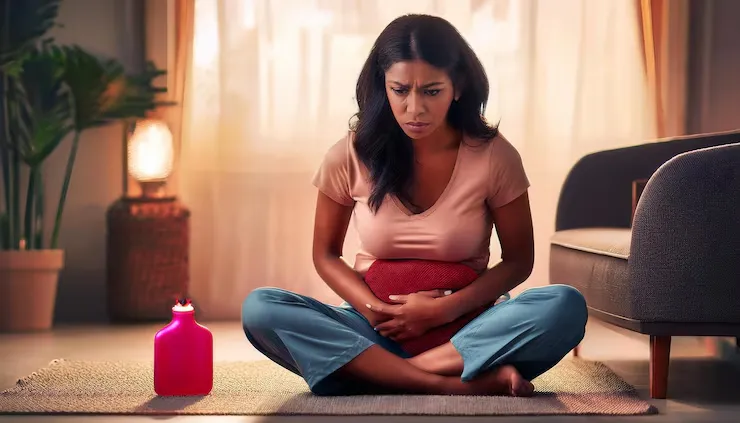

Many women search PCOD or PCOS which is more dangerous because they want a clear answer. They may have irregular periods, acne, weight gain, hair fall, facial hair or difficulty conceiving. Some may have an ultrasound report saying PCOD. Others may have been told they have PCOS. Naturally, the next concern is whether the condition is serious and what can happen if it is ignored.
The honest answer is that PCOS generally needs more careful attention because it is a broader hormonal and metabolic condition. It can affect ovulation, fertility, insulin resistance and long-term health. However, PCOD-like symptoms should also not be ignored, especially if they are persistent or worsening.
Instead of only asking which one is more dangerous, it is better to ask: What symptoms do I have? Are my periods regular? Am I ovulating? Are my androgen levels high? Is my weight changing? Am I trying to conceive? Do I have signs of insulin resistance?
These questions help decide the seriousness of the condition.
Understanding PCOD and PCOS First
PCOD stands for Polycystic Ovarian Disease. It is commonly used in India to describe ovarian changes, irregular periods or ovulation-related concerns. The term may be used differently by different doctors and is not always defined the same way in international medical guidelines.
PCOS stands for Polycystic Ovary Syndrome. It is a recognised hormonal condition that can affect menstrual cycles, ovulation, androgen levels, skin, hair, fertility and metabolism.
In simple words, PCOD is often used to describe ovary-related changes, while PCOS is a wider syndrome that can involve the whole hormonal and metabolic system.
Is PCOD or PCOS More Serious?
PCOS is usually considered more medically significant because it may involve:
- Irregular or absent ovulation
- Higher androgen levels
- Acne and excess hair growth
- Weight gain or difficulty losing weight
- Insulin resistance
- Fertility challenges
- Higher risk of type 2 diabetes
- Risk of endometrial thickening when periods are absent for long
- Emotional stress and body image concerns
But this does not mean PCOD is harmless. If a woman has ongoing irregular periods, repeated ovarian changes, worsening acne or delayed pregnancy, she needs proper evaluation.
The seriousness depends on symptoms, test results, age, weight, fertility goals and associated health concerns.
Why PCOS May Need More Medical Attention
PCOS is not only about cysts in the ovaries. In fact, the word “cyst” itself can be misleading because the small structures seen on ultrasound are usually follicles, not dangerous cysts.
PCOS may involve hormonal signals that disturb ovulation. When ovulation does not happen regularly, periods can become delayed or missed. This can affect fertility and may also cause the uterine lining to build up if periods are absent for long periods.
PCOS may also involve insulin resistance. This means the body has difficulty using insulin effectively. Insulin resistance can make weight management harder and may increase the risk of type 2 diabetes in some women.
This is why PCOS should not be treated only as a period problem. It needs a broader health approach.
How PCOD and PCOS Affect Periods
Irregular periods are one of the most common signs of PCOD or PCOS. A healthy menstrual cycle usually follows a pattern, although some variation is normal. If periods are frequently delayed, missed or unpredictable, ovulation may not be happening regularly.
Women may notice:
- Periods coming after 40 to 60 days
- Missed periods for 2 to 3 months
- Heavy bleeding after long gaps
- Very light periods
- Spotting between cycles
- Painful periods in some cases
- Mood changes before periods
If periods are irregular once or twice due to stress, travel, illness or sudden weight change, it may not always mean PCOD or PCOS. But repeated irregularity should be checked.
PCOD, PCOS and Fertility
Fertility is one of the biggest concerns for women with PCOD or PCOS. The main issue is usually irregular ovulation. If the egg is not released regularly, it becomes harder to conceive naturally.
Some women with PCOS do conceive naturally. Others may need support to improve ovulation, regulate cycles and address insulin resistance or hormonal imbalance. The earlier the condition is evaluated, the better the planning can be.
If you are trying to conceive and your periods are irregular, do not wait for years. Timely consultation can help identify whether PCOS, thyroid, prolactin, male factor infertility or another issue is causing delay.
Women with menstrual irregularity and conception difficulty can consult for female infertility treatment to understand the underlying cause and plan care accordingly.
PCOS and Long-Term Health Risks
PCOS may be linked with long-term health concerns, especially when symptoms are unmanaged. These may include:
- Insulin resistance
- Type 2 diabetes risk
- Weight-related metabolic concerns
- High cholesterol in some women
- Endometrial thickening due to infrequent periods
- Fertility challenges
- Pregnancy-related complications in some cases
- Anxiety, low confidence or emotional stress
Not every woman with PCOS will develop these problems. Risk varies from person to person. But ignoring symptoms for years can make management more difficult.
This is why regular follow-up, lifestyle care and medical guidance matter.
Is PCOD Common?
Yes, PCOD-like symptoms and PCOS are commonly seen among women of reproductive age. Many women experience irregular periods, acne, weight gain or ovarian scan changes during their teens, twenties or thirties.
However, common does not mean normal. If symptoms are persistent, the body is asking for attention. Early care can help prevent worsening symptoms and reduce fertility-related stress later.
PCOD or PCOS Symptoms That Should Not Be Ignored
You should not ignore:
- Missed periods
- Periods delayed repeatedly
- Heavy bleeding after long gaps
- Acne that does not settle
- Sudden facial hair growth
- Hair thinning on the scalp
- Weight gain around the abdomen
- Dark skin patches around the neck or underarms
- Difficulty conceiving
- Mood changes or anxiety linked with symptoms
- Repeated ultrasound reports showing polycystic ovaries
If these symptoms are present, a proper evaluation is better than self-medication.
Can PCOD or PCOS Be Reversed?
This question needs careful wording. PCOS is often a long-term condition, but symptoms can be managed well with the right care. Many women improve their cycle regularity, acne, weight, ovulation and fertility outcomes with treatment and lifestyle support.
PCOD-like symptoms may also improve when the underlying hormonal and lifestyle factors are addressed.
The goal should be:
- More regular periods
- Better ovulation
- Reduced acne and hair symptoms
- Improved weight and metabolism
- Better fertility planning
- Reduced long-term risk
- Better confidence and quality of life
Avoid any treatment that promises instant or guaranteed permanent cure without evaluation. Hormonal health needs consistent care.
Lifestyle Changes That Can Reduce Risk
Lifestyle changes can support PCOD and PCOS management, especially when insulin resistance or weight gain is present.
Helpful steps include:
Eat Balanced Meals
Focus on vegetables, protein, whole grains, nuts, seeds and healthy fats. Reduce refined sugar, processed foods and frequent fried snacks.
Exercise Regularly
Walking, strength training, yoga, cycling or any regular activity can support insulin sensitivity and weight management.
Sleep Properly
Poor sleep can affect hormones, appetite, stress and energy. Try to maintain a fixed sleep routine.
Manage Stress
Stress may worsen cravings, sleep, weight and cycle irregularity. Breathing exercises, counselling, meditation and regular movement may help.
Avoid Crash Dieting
Very low-calorie diets can disturb energy and hormones. Sustainable food habits are better.
Track Periods
Use a calendar or period-tracking app. This helps you and your doctor understand your cycle pattern.
When Should You See a Doctor Urgently?
You should not delay consultation if:
- You have no period for more than 3 months
- Bleeding is very heavy
- You are trying to conceive
- Facial hair growth is increasing quickly
- Acne is severe
- Weight is increasing rapidly
- Dark skin patches are present
- You have pelvic pain
- You feel emotionally disturbed due to symptoms
- You have a family history of diabetes or hormonal disorders
Women in Pune, Viman Nagar, Chinchwad, Thane and Mumbai should seek early evaluation if symptoms are affecting daily life.
Homeopathy Support for PCOD and PCOS
Homeopathy may be considered as a personalised approach for women dealing with irregular periods, hormonal imbalance, acne, hair fall, mood changes and fertility-related concerns.
A homeopathy consultation usually looks at:
- Period pattern
- Pain and bleeding pattern
- Acne and hair symptoms
- Weight tendency
- Sleep
- Stress
- Food cravings
- Digestion
- Emotional state
- Family history
- Fertility plans
This type of detailed case-taking helps the doctor understand the complete health picture. Homeopathy should be used responsibly and should not replace tests or gynaecological care when required.
If you are looking for support in Pune or Thane Mumbai, you can explore PCOS treatment. For couples planning pregnancy, infertility homeopathy treatment may also be relevant.
PCOD or PCOS: What Should Women Do Next?
If you are confused between PCOD and PCOS, do not depend only on the label. Take these steps:
- Track your periods for 3 months.
- Write down acne, hair fall, facial hair and weight changes.
- Keep your ultrasound reports.
- Avoid self-starting hormonal medicines.
- Consult a qualified doctor.
- Ask whether blood tests are needed.
- Discuss fertility goals if pregnancy is planned.
- Follow a long-term plan instead of temporary symptom control.
This approach is safer and more useful than panic-searching symptoms online.
Don't Ignore Hormonal Changes and Irregular Periods
PCOS is usually more serious than PCOD-like ovarian changes because it can affect ovulation, fertility, hormones and long-term metabolic health. But any repeated menstrual or hormonal symptom deserves attention.
The right approach is not fear. The right approach is early diagnosis, lifestyle support, medical guidance and personalised care.
Concerned About PCOD, PCOS or Irregular Periods?
If you are worried about PCOD, PCOS, irregular periods or fertility concerns, book a consultation with Dr. Tathed’s Homeopathy Clinic in Pune, Viman Nagar, Chinchwad, Thane or Mumbai for a personalised hormonal health evaluation.
Find Your Nearest Homeopathy Clinic
- Homeopathy Clinic in Chinchwad, Pune : Opposite lokmanya hospital, near railway bridge, Renuka Sai Society, Ganesh Nagar, Chinchwad, Pimpri-Chinchwad, Maharashtra 411033
- Homeopathy Clinic in Viman Nagar, Pune : Datta Mandir Chowk, Unit 106, 1st Floor, Lunkad Skymax Mall, Konark Nagar, Clover Park, Viman Nagar, Pune, Maharashtra 411014
- Homeopathy Clinic in Thane West : Office No. 207, JVM’s Corner Stone, Hariniwas Circle, Lal Bahadur Shastri Marg, Naupada, Thane West, Thane, Maharashtra 400602
FAQs
1. PCOD or PCOS, which is more dangerous?
PCOS generally needs more medical attention because it may affect hormones, ovulation, fertility and metabolism. However, PCOD symptoms should also be checked if they are persistent.
2. Can PCOD become PCOS?
PCOD and PCOS are often used differently in India. Some women diagnosed with PCOD-like ovarian changes may later meet the criteria for PCOS if hormonal and ovulation symptoms are present.
3. Can PCOS affect pregnancy?
Yes. PCOS can affect pregnancy by disturbing ovulation. Many women with PCOS can still conceive with proper diagnosis, lifestyle care and treatment.
4. Is PCOD common?
Yes, PCOD-like symptoms are common among women of reproductive age. But repeated irregular periods, acne, weight gain or hair growth should not be ignored.
5. Can PCOD or PCOS be managed naturally?
Lifestyle changes such as a balanced diet, exercise, sleep and stress control can help. However, medical evaluation is still important, especially when periods are irregular or pregnancy is delayed.
6. When should I consult a doctor for PCOD or PCOS?
Consult a doctor if periods are repeatedly delayed, acne is persistent, facial hair increases, weight gain is unexplained, or you are trying to conceive.
Reference Links
https://www.nichd.nih.gov/health/topics/pcos/conditioninfo/diagnose
https://www.nichd.nih.gov/health/topics/factsheets/pcos
https://www.who.int/news-room/fact-sheets/detail/polycystic-ovary-syndrome