
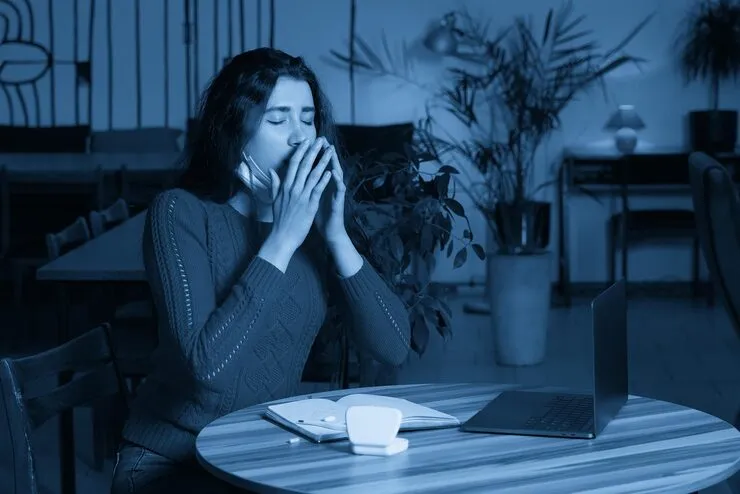

Searching for homeopathic remedies for cough at night usually begins after repeated coughing interrupts sleep. You may feel comfortable during the day, but start coughing soon after lying down. In other cases, a child may wake repeatedly with a dry, barking or mucus-filled cough.
A nighttime cough is not a separate disease. It can be caused by postnasal drip, allergies, asthma, acid reflux, a respiratory infection or irritation from smoke and pollution. Understanding the cause is more important than simply suppressing the cough.
This guide explains why coughing becomes worse at night, safe ways to reduce the irritation and how professionally supervised homeopathic treatment for cough may be approached.
Why Does a Cough Become Worse at Night?
Coughing may increase at night because lying down changes how mucus, stomach acid and air move through the throat and airways.
During the day, an upright position helps mucus drain and makes swallowing easier. At night, mucus can collect at the back of the throat and trigger coughing. Lying flat can also make acid reflux more likely.
Other factors include:
- Bedroom dust, mould or pet dander
- Cooler nighttime air
- Dry air from air conditioning
- Increased airway sensitivity
- Asthma symptoms becoming worse at night
- Mucus collecting in the throat
- Reduced swallowing while sleeping
- A lingering respiratory infection
The timing of the cough gives the doctor an important clue, but the cause cannot be confirmed from timing alone.
Common Causes of Coughing at Night
Postnasal drip
Postnasal drip happens when mucus from the nose or sinuses travels down the back of the throat. When you lie down, the drainage may become more noticeable and stimulate the cough reflex.
Signs that may suggest postnasal drip include:
- Blocked or runny nose
- Frequent throat clearing
- A sensation of mucus in the throat
- Sneezing or itchy eyes
- Coughing soon after lying down
- Morning throat irritation
If nasal congestion, facial pressure or recurrent sinus symptoms are also present, read about homeopathy medicine for sinus symptoms.
Asthma
Asthma symptoms can become worse during the night or early morning. A person may experience coughing even without obvious wheezing. This is sometimes called cough-variant asthma.
Possible asthma-related signs include:
- Nighttime or early-morning coughing
- Wheezing
- Chest tightness
- Shortness of breath
- Cough triggered by exercise
- Symptoms after exposure to dust, smoke, perfume or cold air
- Repeated coughing after respiratory infections
Asthma requires medical assessment and an appropriate management plan. Do not discontinue an inhaler or change its dosage independently. Learn more about homeopathic care alongside asthma treatment.
Acid reflux
Acid reflux can irritate the food pipe, throat and upper airway. Lying down soon after eating makes it easier for stomach contents to move upwards.
Reflux-related coughing may occur with:
- Heartburn
- Sour taste in the mouth
- Hoarseness
- Repeated throat clearing
- A feeling of something in the throat
- Coughing after meals
- Coughing after lying flat
- Symptoms after spicy, oily or heavy food
Some people have reflux-related coughing without noticeable heartburn.
Viral or post-viral cough
A cold, influenza or another respiratory infection can make the throat and airways sensitive. Other symptoms may improve while the cough remains for several weeks.
If the cough began with sneezing, nasal congestion, sore throat or fever, read our guide to homeopathic medicine for cold, cough and chest congestion.
A post-viral cough should gradually improve. Medical assessment is recommended if it becomes worse, continues beyond three weeks or occurs with fever, chest pain, breathlessness or blood in the mucus.
Allergies in the bedroom
Pillows, mattresses, curtains, carpets, soft toys, pet dander and damp areas can collect allergens. Spending several hours in the bedroom may cause symptoms to become more noticeable at night.
Allergy-related coughing may occur with:
- Sneezing
- Itchy or watery eyes
- Nasal blockage
- Clear nasal discharge
- Symptoms after cleaning or dust exposure
- Seasonal changes
Dry air and environmental irritation
Air conditioning, low humidity, tobacco smoke, incense, perfumes and mosquito repellents can irritate a sensitive throat.
A humidifier may be helpful when the air is very dry, but it must be cleaned regularly. A poorly maintained humidifier can release mould or bacteria into the room.
Medicines
Some medicines used to treat high blood pressure can cause a persistent dry cough. The cough may be present during the day but become more disturbing when the patient tries to sleep.
Do not stop prescribed medicine independently. Ask the prescribing doctor whether a medicine could be contributing to the cough.
Respiratory and heart conditions
A nighttime cough can sometimes be connected with bronchitis, pneumonia, COPD, tuberculosis or a heart-related condition.
Seek medical assessment if nighttime coughing occurs with:
- Shortness of breath while lying down
- Swelling of the feet or ankles
- Chest pain
- Fever
- Blood in the mucus
- Unexplained weight loss
- Night sweats
- Marked tiredness or weakness
Is the Night Cough Dry or Wet?
Identifying whether the cough is dry or productive can help narrow down its possible cause.
| Feature | Dry night cough | Wet night cough |
|---|---|---|
| Mucus | Usually absent | Mucus or phlegm is present |
| Sensation | Tickling, scratching or throat irritation | Congestion, rattling or chest heaviness |
| Common causes | Allergy, asthma, reflux, post-viral irritation, pollution | Cold, postnasal drip, bronchitis or another infection |
| Frequent triggers | Cold air, talking, lying flat, dry air | Mucus collecting after lying down |
| Assessment | Needed if persistent, severe or associated with breathing difficulty | Needed for blood, chest pain, high fever or breathlessness |
For more detail, read our guide to homeopathic medicine for dry cough.
How Long Can a Night Cough Continue?
Doctors commonly classify coughs according to duration:
- Acute cough: Less than three weeks
- Subacute cough: Approximately three to eight weeks
- Chronic cough: More than eight weeks in adults or more than four weeks in children
An uncomplicated viral cough may take three to four weeks to settle. However, recurring nighttime coughing should be evaluated earlier if it affects sleep, occurs with breathing difficulty or keeps returning without an obvious infection.
A prolonged cough with fever, weight loss, night sweats, weakness or blood in the mucus needs medical assessment to rule out tuberculosis and other respiratory conditions.
How Is the Cause of a Night Cough Assessed?
A qualified doctor may ask:
- When does the coughing begin?
- Does it start immediately after lying down?
- Is the cough dry or productive?
- Is there wheezing or breathlessness?
- Are acidity or heartburn present?
- Does the patient have nasal blockage or throat drainage?
- Are symptoms worse in a particular bedroom?
- Is the patient exposed to smoke, dust, mould or pets?
- Has the patient started a new medicine?
- Is there a history of asthma, allergy or sinusitis?
- Is there fever, weight loss or night sweating?
- Does the cough affect sleep every night?
The doctor may examine the throat, chest and breathing pattern. Depending on the findings, further evaluation may include:
- Lung-function testing
- Allergy assessment
- Chest imaging
- Blood tests
- Sputum examination
- Tuberculosis testing
- Evaluation for acid reflux
- Referral to a respiratory or ENT specialist
Not every patient requires these tests. They are considered when the duration, severity or accompanying symptoms suggest an underlying condition.
How Is Homeopathic Treatment for Night Cough Selected?
Homeopathic prescribing is traditionally based on the complete symptom pattern. Two patients who both cough at night may have different triggers and accompanying symptoms.
During a consultation, the practitioner may consider:
- Whether the cough is dry, wet, spasmodic or barking
- The exact time at which it becomes worse
- Whether lying down immediately triggers coughing
- Whether the patient needs to sit up
- Whether cold air or warmth changes the cough
- The presence of wheezing, acidity or postnasal drip
- Thirst and throat sensations
- Whether coughing causes vomiting
- The patient's medical history
- Current prescribed medicines
- Environmental and allergy triggers
Current scientific evidence has not established homeopathy as an effective treatment for every cause of nighttime cough. It should be considered complementary care and should not delay asthma treatment, antibiotics when medically required, tuberculosis treatment or emergency care.
Commonly Discussed Homeopathic Remedies for Cough at Night
The following remedies are traditionally associated with different cough patterns. They are provided for education and are not prescriptions.
| Homeopathic remedy | Traditional prescribing pattern |
|---|---|
| Drosera rotundifolia | Repeated, spasmodic coughing bouts that may become worse after lying down or during the night |
| Rumex crispus | Dry, tickling cough triggered by cold air or temperature changes |
| Spongia tosta | Dry, harsh or barking cough pattern |
| Bryonia alba | Dry, painful cough that may feel worse with movement or deep breathing |
| Pulsatilla | Changeable cough with mucus and nasal symptoms |
There is no single best remedy for everyone. The cause, age, breathing pattern, medical history and accompanying symptoms should be assessed before any treatment is considered.
Do not select potency or dosage from an online list. A nighttime cough can sometimes be the first noticeable sign of asthma, reflux or another condition requiring medical treatment.
Safe Ways to Reduce Coughing at Night
Keep the throat hydrated
Drink sufficient fluids during the day. A suitable warm drink before bed may soothe throat irritation.
Use honey when appropriate
Honey may help reduce coughing in adults and children older than one year. Never give honey to a baby younger than 12 months because of the risk of infant botulism.
Use saline for nasal congestion
A saline nasal spray may help when nasal blockage or postnasal drainage contributes to coughing.
Avoid late and heavy meals
If reflux is suspected, avoid lying down immediately after eating. Try to finish the evening meal approximately three hours before bedtime and limit foods that clearly trigger symptoms.
Raise the head appropriately
Adults with reflux or postnasal drainage may benefit from raising the head end of the bed or using an appropriate sleeping position.
Do not place pillows, wedges or loose bedding under an infant. Babies should sleep on a firm, flat surface following safe-sleep recommendations.
Reduce bedroom allergens
Wash bedding regularly and address dampness or visible mould. Reduce dust collection from heavy curtains, carpets and soft furnishings when allergies are suspected.
Avoid smoke and strong fragrances
Do not smoke or vape in the bedroom. Incense, room fresheners, perfumes and mosquito smoke can aggravate airway irritation.
Keep prescribed treatment available
People with diagnosed asthma should follow their asthma action plan and use prescribed inhalers correctly. Seek medical advice if nighttime symptoms are becoming more frequent.
Avoid boiling-water steam
Direct exposure to boiling-water steam can cause serious burns. This is especially dangerous for children. A comfortably warm shower is safer.
Child Coughing at Night: What Parents Should Know
A child may cough at night because of a cold, postnasal drip, allergy, asthma or croup. The child's breathing and general condition are more important than the sound of the cough alone.
Seek immediate medical help if the child has:
- Severe or rapidly worsening breathing difficulty
- Blue or grey lips
- Skin pulling in between or below the ribs
- A harsh sound while breathing in
- Difficulty speaking or crying normally
- Unusual sleepiness or poor responsiveness
- A suspected choking episode
- Coughing up blood
Arrange a medical assessment if:
- The cough repeatedly interrupts sleep
- Wheezing is present
- Coughing occurs after running or playing
- The cough returns with every cold
- Fever continues or returns
- Coughing causes repeated vomiting
- The cough lasts longer than three weeks
Do not give children adult cough medicine or combine multiple cold products. Ask a paediatrician or pharmacist before giving any medicine to a young child.
When Should You Seek Medical Care?
Seek urgent medical help for:
- Severe breathlessness
- Blue or grey lips
- Chest pain
- Coughing up blood
- Confusion or fainting
- A suspected choking episode
- Inability to speak normally because of breathlessness
- Rapid deterioration
Arrange an assessment if:
- The cough lasts longer than three weeks
- It repeatedly wakes the patient
- Wheezing or chest tightness develops
- Fever persists or returns
- There is unexplained weight loss
- Night sweats occur
- The patient needs to sleep sitting upright
- The cough began after starting a medicine
- The patient has asthma, COPD or reduced immunity
- A child experiences recurring nighttime coughing
How Dr. Tathed's Homeopathic Clinic Can Help
At Dr. Tathed's Homeopathic Clinic, nighttime coughing is assessed according to its pattern, duration, possible triggers and associated symptoms.
The consultation may examine:
- Whether postnasal drip is present
- Possible asthma or allergy symptoms
- Acid reflux indicators
- Bedroom and environmental triggers
- Current medicines
- Sleep disturbance
- Previous respiratory infections
- Warning signs requiring testing or referral
When complementary homeopathic care is considered appropriate, treatment is individualised. If symptoms suggest asthma, pneumonia, tuberculosis, a heart-related condition or another serious illness, the patient is advised to obtain the necessary medical evaluation.
Patients seeking night cough treatment can visit:
- Clinic in Chinchwad, Pune : Opposite lokmanya hospital, near railway bridge, Renuka Sai Society, Ganesh Nagar, Chinchwad, Pimpri-Chinchwad, Maharashtra 411033
- Clinic in Viman Nagar, Pune : Datta Mandir Chowk, Unit 106, 1st Floor, Lunkad Skymax Mall, Konark Nagar, Clover Park, Viman Nagar, Pune, Maharashtra 411014
- Clinic in Thane West : Office No. 207, JVM’s Corner Stone, Hariniwas Circle, Lal Bahadur Shastri Marg, Naupada, Thane West, Thane, Maharashtra 400602
Online consultations may also be available. Emergency breathing symptoms require immediate local medical care.
Book a Consultation for Recurring Night Cough
If coughing repeatedly disturbs your sleep or your child's sleep, identifying the cause is more helpful than repeatedly changing cough syrups.
Book a night cough consultation with Dr. Tathed's Homeopathic Clinic for an individual assessment and guidance on the appropriate next step.
Frequently Asked Questions
Why do I cough more after lying down?
Lying down can allow nasal mucus to collect at the back of the throat. It can also make acid reflux more likely. Both can irritate the throat and trigger coughing.
What is the best homeopathic medicine for cough at night?
There is no single best medicine for everyone. Nighttime coughing caused by asthma, reflux, allergies, infection or postnasal drip requires different evaluation. Professional assessment is more reliable than selecting a remedy from a symptom list.
Can acid reflux cause coughing only at night?
Yes. Reflux can irritate the throat and airway after lying down, even when obvious heartburn is absent. Hoarseness, throat clearing, sour taste and coughing after meals may provide additional clues.
Can asthma cause coughing without wheezing?
Yes. Cough-variant asthma may present mainly as a dry or recurring cough. Coughing that worsens at night, with exercise or in cold air should be medically evaluated.
Why does my child cough every night?
Common causes include a viral infection, postnasal drip, allergy and asthma. A recurring cough that interrupts sleep, occurs with wheezing or returns after every cold should be discussed with a paediatrician.
Is honey safe for a nighttime cough?
Honey may soothe coughing in adults and children older than one year. Never give honey to an infant younger than 12 months.
Can homeopathy be taken alongside an asthma inhaler?
Do not stop or replace a prescribed inhaler. Tell both doctors about all medicines and complementary products being used. Any complementary care should work alongside necessary asthma management.
When should I see a doctor for a nighttime cough?
Arrange an assessment if the cough lasts longer than three weeks, repeatedly interrupts sleep or occurs with wheezing, breathlessness, fever, weight loss or night sweats. Severe breathing difficulty, chest pain or coughing up blood requires urgent medical care.
Can Dr. Tathed's Homeopathic Clinic help with recurring nighttime coughing?
Yes. Dr. Tathed's Homeopathic Clinic can assess the cough pattern, respiratory history, allergies, reflux symptoms, environmental triggers and current medication. If testing or specialist treatment is required, the patient is advised to obtain the appropriate medical evaluation.
Is a night cough always a sign of a serious disease?
No. Many cases are related to a cold, postnasal drip, allergies or reflux. However, a severe, worsening or persistent pattern should be evaluated to identify the cause.
References -
- NHS information about asthma symptoms that worsen at night
- Mayo Clinic explanation of nighttime cough causes
- NHS respiratory service guide to chronic cough causes
- NHS information about acid reflux and nighttime coughing
- HealthyChildren guidance on cough warning signs in children
- NHS guidance on cough symptoms and when to seek care
- World Health Organization tuberculosis symptoms and diagnosis
- NCCIH information on homeopathy evidence and product safety
- CDC guidance on avoiding honey before 12 months
Medical note: This article is for general education. A severe, recurring or persistent nighttime cough requires medical assessment. Do not stop prescribed medicines or delay necessary treatment.