
Homeopathy Treatment for Asthma
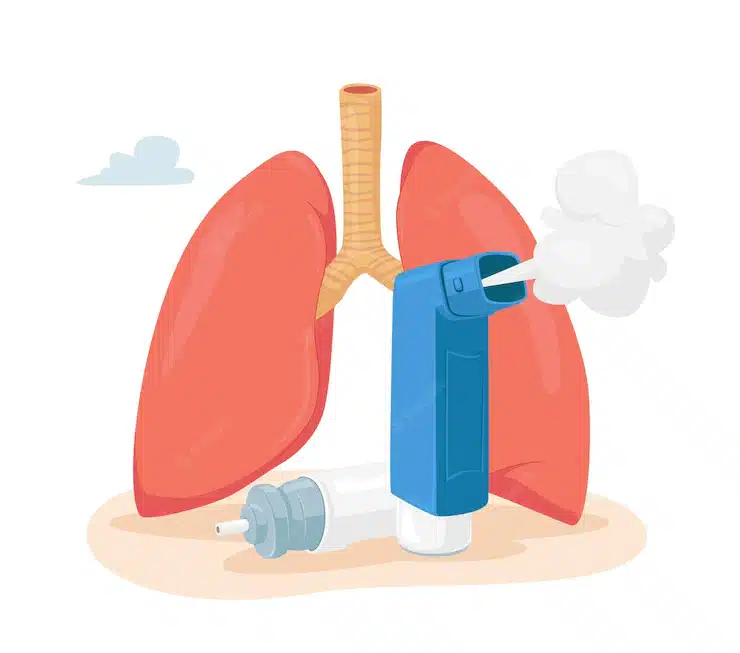
Asthma is an inflammatory disease in the airways that are connected to the lungs. It causes difficulty in breathing due to the overproduction of mucus in the airways resulting in more coughing.
Swollen airways and inflammation cause mucus to build, which makes a whistling sound while breathing accompanied by shortness of breath. Although asthma can not be cured permanently, its symptoms can be managed with proper medications.
What Are the Types of Asthma?
Types and causes of asthma are dependent on the symptoms produced by asthma in different ways and situations. There is a broad categorization of asthma that includes:
Intermittent Asthma
This type of asthma is not consistent and symptoms can come and go with long normal duration in between the two asthma attacks.
Persistent Asthma
This is the consistent type of asthma with symptoms permanently showing up. These symptoms can vary from mild, to moderate, or severe. Its severity is based on how frequently one is having symptoms and the severity of symptoms. How a person suffering from asthma feels during the attacks determines the severity of asthma as well.
Causes of Asthma
Asthma is found to have multiple causes in a person. Children are more prone to having asthma attacks as their airways are still under development. Asthma does not show its symptoms until adulthood. Of the several causes of asthma, some of the most commonly found causes of asthma are:
Genetics
Genes are likely to transfer asthma from parents to a child. If a person has a family history related to asthma there is an increased risk of getting asthma for that person as well.
History of viral infections
Early life viral infections, such as respiratory syncytial virus (RSV) or other severe respiratory illnesses during childhood, can increase the risk of developing asthma later in life.
Hygiene Hypothesis
The hygiene hypothesis proposes that decreased exposure to infectious agents and microbes early in life may increase susceptibility to allergic diseases like asthma, as the immune system does not get enough practice fighting off infections.
Intermittent Asthma
This type of asthma is not consistent and symptoms can come and go with long normal duration in between the two asthma attacks.
Allergic:
people who are allergic to different types of inhalation. They can be allergic to moulds, pollens, and pet hair. These fine particles get into the airways and irritate the airways triggering mucus formation and difficulty in breathing. Dust and smoke can also cause asthma attacks in a person allergic to such things.
Non-allergic:
Various other factors can act as triggers for asthma. Heavy work and hard activities such as exercising vigorously, stress, illness, and even weather may cause a person suffering from asthma to have an attack. Weather is known to be a highly triggering factor for some people with asthma.
Certain medicines:
some people’s bodies may be reactant to medicines such as aspirin and nonsteroidal anti-inflammatory drugs. These medicines have been found to trigger asthma in many cases.
Symptoms Involved in AsthmaSymptoms Involved in Asthma
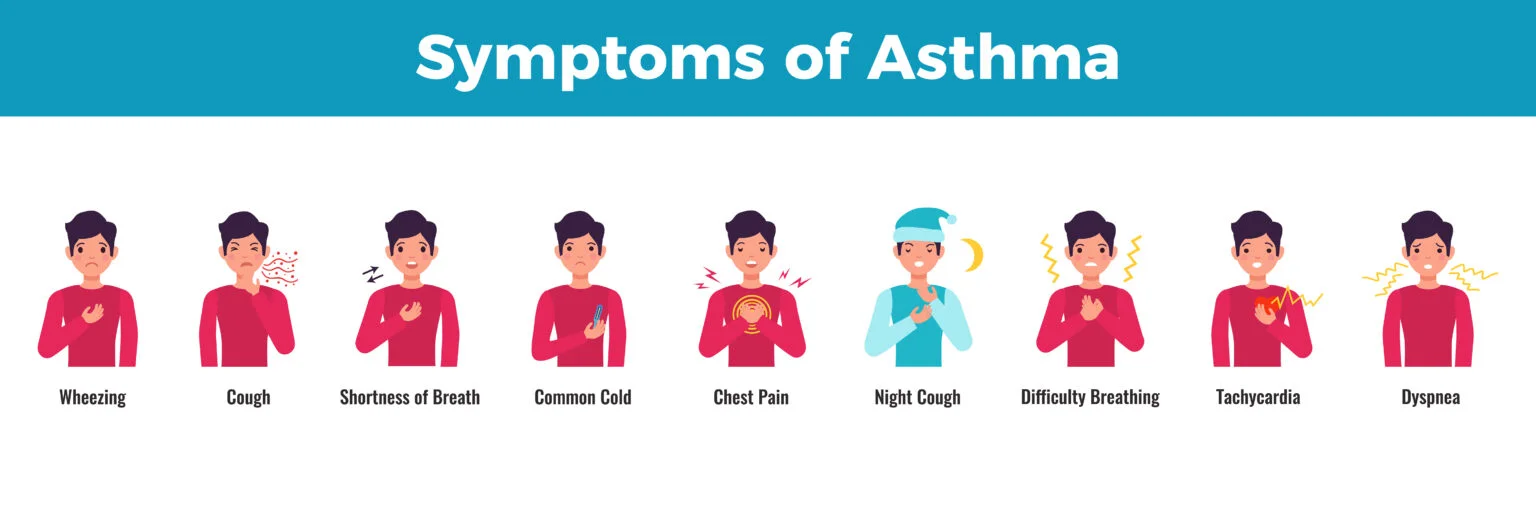
Some symptoms may vary from person to person. Asthma signs and symptoms may include
- There can be shortness of breath for a person suffering from asthma which is the most common symptom of asthma among patients.
- A patient may feel some tightness or pain in the chest area.
- The patient may make a rattling sound when exhaling, which is a common sign of asthma in children.
- Due to difficulty in breathing, coughing, or rattling in the chest, there may be trouble sleeping
- Coughing or rattling that gets worse by a respiratory virus, such as a cold or the flu
There are other symptoms that a person suffering from asthma is likely to have. Such symptoms are:
- Coughing that surfaces mostly at night, or when a patient is laughing, or can occur during exercising
- A patient with asthma experiences difficulty in talking as well.
- The person with asthma is seen to be in an anxious or panic state.
- There is fatigue involved in the person suffering from asthma.
- As breathing is difficult, the patient is seen to be rapidly breathing.
- Asthma can cause frequent infections like flu and cold.
More than a combination of the above-mentioned symptoms are said to be symptoms of asthma in a person.
Homeopathic Invention
As per the latest research in homeopathy, asthmatic conditions can be triggered by fear or frightful situations. With growing competition in every field in the modern world, people are bound to experience pressure and insecurity, whether related to their job, relationships, or personal safety. For example, fear for one’s own safety or the safety of family and loved ones can all give rise to fear conflicts. Such conflicts can arise from various situations, including physical abuse, domestic violence, bullying, mobbing, natural disasters like flooding or fire, severe medical conditions, terrible diagnoses or prognoses, frightening medical procedures, or even hospitalization.
Can Homeopathy Treat Asthma?
Yes. Homeopathy has been found to reduce the symptoms associated with asthma and provide relief even during severe asthma attacks. With homeopathic treatment, the hypersensitivity of an asthmatic’s immune system can be improved. As a result, a person’s negative reactions to allergens can be minimized, as the immune system’s hypersensitivity is addressed throughout the course of treatment. This can only be achieved with a thorough constitutional homeopathic approach tailored for asthma. Additionally, homeopathic medications may reduce dependency on other conventional medications.


Homeopathic Medicines
Homeopathic medicines that are found to have relieved asthmatic conditions are:
Arsenicum Album:
This is given to the patient who feels exhausted, but still feels very restless and anxious. There can be breathing-related problems that tend to be worse when the patient is lying down or sleeping at midnight. The patient feels better when tries to sit up. There is the sound of dry rattling which may lead to coughing that could bring up frothy whitish fluid.
Pulsatilla:
Rattling sound may start when a person’s body gets too warm. There may be some rattling sounds while eating fatty food as well. In such cases, coughing can involve yellow-coloured mucus that can cause gagging and choke the person. The patient may feel some kind of tightness in the chest that gets worse in the evening and at night and is relieved by cool fresh air.
Spongia Tosta:
It is given to a person who has a hard cough during an asthma attack. The respiratory tract becomes very dry and breathing gets tougher. There is the production of mucus as well.
Carbo Veg:
It is given to the person suffering feels weak along with a hollow sensation in the chest and coughing leads to gagging. The person may even have cold hands and feet but feel the need to be in the open air.
Nux Vomica:
This medicine provides relief to tense, constricted feelings in the chest which a patient gets during asthma attacks, with pressure in the stomach.


Dr. Tathed's Homeopathy Asthma Case Study
From Chronic Struggle to Renewed Vitality
A 40-year-old man arrived at our clinic, having endured asthma since childhood. He faced ongoing breathlessness, with symptoms consistently triggered by weather changes—starting with a runny nose, progressing to a dry cough, and often culminating in severe breathlessness. Nighttime was especially challenging, and cold drinks only intensified his difficulties. Despite repeated courses of antibiotics, his relief was always temporary, lasting only as long as the medication did.
Physical and Family Background
On deeper examination, he exhibited a normal appetite but couldn’t bear
going hungry. He perspired noticeably around his scalp and neck, and a
craving for sweets tended to worsen his asthma. He preferred cool
environments and open air, but found hot weather intolerable. A look at his
family history revealed his mother struggled with migraines, while his
father passed away due to complications from diabetes.
Emotional Health and Course of Treatment
Emotionally, he was introverted and sensitive, often anxious about his
family’s wellbeing. After a comprehensive review of his physical and
emotional state and family history, we devised a personalized homeopathic
treatment plan.
Over the course of several follow-up visits, the following improvements were observed:
- First Follow-Up: Marked increase in vitality. Significant reduction in cough, coryza, and breathlessness. The patient reported feeling approximately 70% better.
- Second Follow-Up: Further improvement in breathlessness (now 80–90% better). Throat pain subsided, and he began experiencing fresher, more energetic mornings.
- Third Follow-Up: Although there was a slight return of coryza and sneezing, there was no difficulty in breathing. Appetite and sleep continued to be good.
- Fourth Follow-Up: The patient described feeling significantly better overall, breathing comfortably, and experiencing far fewer episodes of cold or coryza.
This case highlights the holistic and individualized approach offered by homeopathy. By addressing not just physical symptoms but also emotional and mental wellbeing, we witnessed a transformation from chronic asthma to restored ease of breathing—showcasing the power of gentle, comprehensive homeopathic care.
Read MoreYoung Warrior Against Asthma
A 13-year-old boy from Delhi began his struggle with asthma during early childhood. Diagnosed at age five, he faced a long journey seeking effective relief. Despite consulting multiple doctors, finding satisfactory control remained elusive. His medical history was further complicated by a bout of pneumonia in his younger years in Delhi.
Triggers and Challenges
His asthma was easily provoked—triggers included everyday activities such as walking, talking, laughing, and cycling, as well as changes in weather. During asthma attacks, he frequently relied on a nebulizer for temporary relief.
Physical and Emotional Profile
The boy had a healthy appetite but could not tolerate hunger well. His perspiration had a strong odor, though his sleep patterns and bowel habits were regular. He was notably sensitive to cold weather. Developmentally, he achieved all milestones on time, and his vaccinations were up to date.
Socially, he was outgoing and cheerful, easily connecting with others and comfortable in new situations. Although he was afraid of dogs, hospitals, and horror movies, he remained generally upbeat. He was average in academics but excelled in sports, demonstrating a well-rounded set of interests.
Individualized Homeopathic Care and Results
After evaluating his complete history and temperament, an individualized homeopathic treatment regimen was designed. The following improvements were observed in follow-up visits:
- First Follow-Up: 50% improvement noted. He was able to stop using inhalers and other medicines, experiencing much better control over symptoms.
- Second Follow-Up: Continued progress; taking his medication as prescribed, but eating ice cream caused a mild return of runny nose (coryza).
- Third Follow-Up: Reliance on inhalers dropped to only two uses in three weeks, and breathlessness became much less frequent.
- Fourth Follow-Up: Achieved a complete turnaround—he could participate freely in outdoor activities and cycle comfortably, reflecting major improvement in asthma control.
This case highlights how a tailored homeopathic approach can provide meaningful relief for asthma, helping children regain normalcy and enjoy their active lives once more.
Read MoreOvercoming Nasal Blockage
A 26-year-old man sought help for persistent nasal blockage that had troubled him for 4–5 years, often shifting from one nostril to the other and worsening at night. Alongside the congestion, he experienced dullness, lack of energy, irritability, and thick whitish mucus—symptoms most severe in the morning and at bedtime. His background included two prior surgeries for pneumothorax, and he occasionally suffered from sharp chest pain, excessive sweating, and high blood pressure.
Unique Cravings and Personality Traits
Interestingly, the patient craved unusual substances like wet soil and chalk and tended to prefer cool environments. While he was generally talkative, he was also reserved, expressing anger only towards people he considered inferior. He harbored fears of exams and sea water, avoided overly critical individuals, and overall, demonstrated a mild and somewhat introverted temperament.
Treatment Journey and Progress
Homeopathic treatment was tailored to his particular symptom pattern and personality characteristics. Progress was monitored through a series of follow-up consultations:
- First Follow-Up: 30–40% improvement; decreased nasal blockage and mucus. Appetite and sleep improved.
- Second Follow-Up: Developed fever, vomiting, and marked weakness. Appetite dropped and he complained of a bitter taste.
- Third Follow-Up: Notable reduction in nasal congestion. Maintained good energy and confidence at work, despite demanding night shifts.
- Fourth Follow-Up: Ongoing improvement in nasal blockage and cough. Improved concentration, though bowel movements were unsatisfactory.
- Fifth Follow-Up: Sustained progress in nasal symptoms, digestion, and appetite.
- Sixth Follow-Up: General sense of well-being; some coryza and greenish sputum persisted, with mild congestion.
- Seventh Follow-Up: Approximately 90% reduction in nasal blockage, fewer cough issues, and able to handle higher work pressure despite a disrupted routine.
This case emphasizes the benefits of individualized homeopathic management in chronic nasal blockage and related symptoms. The patient experienced meaningful improvement not just physically, but also in energy, mood, and ability to navigate stressful work demands.
Read MoreOvercoming Respiratory Challenges
At just 4 years old, a young girl faced daunting health challenges, presenting with fever, dry cough, and wheezing—symptoms that intensified in the morning, at night, while lying straight during sleep, and with weather changes. Relief was found in warm drinks. Her condition was traced back to an incident two years prior when a seaside trip resulted in fever and cough, initially managed with allopathic medication. However, a severe recurrence led to a diagnosis of necrotizing pneumonia, confirmed by CT thorax showing significant complications.
Post thoracotomy, her once socially active and fearless nature was overshadowed by new fears, irritability, and a reluctance to engage with new people or the opposite sex. Her inquisitive and emotional personality remained, but her impatience grew.
Dietary Preferences and Physical Attributes
Despite her health issues, her appetite for sweets, chicken, and cold drinks remained, as did her preference for milk and her dislike for tight clothing. She was noted to have scanty perspiration and an aversion to heat.
Progress Through Homeopathic Care
The homeopathic treatment focused on her comprehensive history, and her responses to medications were carefully noted:
- First Follow-Up: Improvement in appetite and thirst was noted, though a cold, running nose, and mild fever had set in, coinciding with the start of schooling.
- Second Follow-Up: She experienced a fever and nasal obstruction but showed signs of reduced symptoms and maintained normal activities.
- Third Follow-Up: Fever persisted with nasal congestion and dry cough, yet her appetite and activity levels were good.
- Fourth Follow-Up: A new complaint of mild abdominal pain emerged, but coughing improved significantly.
- Fifth Follow-Up: There was a notable overall improvement with only mild coughing, normal activity, good appetite, refreshing sleep, and normal bowel movements.
This case highlights the young patient’s journey through severe respiratory illness, surgical intervention, and the gradual return to health with the support of individualized homeopathic treatment, showcasing a remarkable capacity for recovery in the face of adversity.
Read More

Frequently asked questions
Helping you understand healthcare
There is no proven permanent cure for asthma, and homeopathy has not been shown to prevent asthma attacks. Keep following the treatment plan given by your asthma doctor.
Follow your asthma action plan and use your prescribed reliever inhaler. Seek urgent medical help if breathing remains difficult, you struggle to speak, or your inhaler is not helping.
We discuss your symptoms, triggers, medical history and current medicines before suggesting an individualised plan. Please bring your inhalers and asthma action plan to the consultation.
Yes. Tell us which medicines you use, and continue taking them as prescribed. Only your prescribing doctor should advise you to change your asthma medicines.