
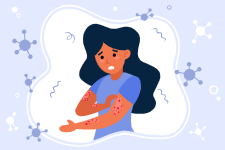

Have you ever suddenly noticed itchy, raised red or skin-coloured welts appearing on your body? These patches may be urticaria, commonly known as hives.
Urticaria can appear without warning, disappear within a few hours and then develop somewhere else. For some people, it is a short-lived episode. For others, hives keep returning for weeks or months, making the condition frustrating and difficult to understand.
People experiencing recurring symptoms often search for a homeopathic remedy for urticaria, particularly when they want to understand whether factors such as heat, cold, sweating, foods, medicines or stress are contributing to their flare-ups.
Homeopathy traditionally takes an individualised approach to such complaints, considering the pattern of symptoms and possible triggers rather than choosing a medicine solely from the diagnosis.
At the same time, it is important to correctly identify urticaria because not every itchy rash is a hive, and severe allergic reactions require immediate medical treatment.
In this guide, we explain the urticaria meaning, common symptoms and triggers, acute and chronic forms of hives, traditionally considered homeopathic medicines, and signs that should never be ignored.
What Is Urticaria?
Urticaria, also called hives or nettle rash, is characterised by raised, itchy areas of skin known as wheals or welts.
These patches can:
-
appear suddenly
-
vary in size and shape
-
itch intensely
-
feel warm, burning or stinging
-
disappear from one area and appear somewhere else
-
occur on one part of the body or across several areas
An individual hive often fades relatively quickly, although new welts may continue appearing.
Urticaria develops when substances such as histamine are released in the skin, causing local swelling and itching.
The condition can sometimes result from an allergic reaction, but allergy is not the only possible explanation.
Urticaria Meaning in Simple Words
A skin condition in which raised, itchy welts suddenly appear on the body.
People may commonly refer to it as:
-
hives
-
nettle rash
-
allergic skin welts
-
itchy skin bumps
-
पित्त उठणे
Although people frequently use the phrase urticaria skin allergy, recurrent hives are not always caused by a specific allergy.
Understanding this difference can prevent unnecessary food restrictions or repeated use of treatments without identifying the actual pattern.
What Is Urticaria Called in Marathi?
अर्टिकेरिया, पित्त उठणे किंवा शीतपित्त
In everyday Marathi, people may also describe it as:
अंगावर पित्त उठणे
This generally refers to itchy, raised patches or welts appearing suddenly on the skin.
Regardless of the terminology used, recurring symptoms should be properly evaluated because eczema, dermatitis and several other skin conditions can sometimes be mistaken for urticaria.
Common Symptoms of Urticaria
Urticaria does not look exactly the same in every person.
Raised, Itchy Welts
The most recognisable symptom is raised patches on the skin. They may be small, large, round or irregular.
Intense Itching
Some people experience mild itching while others find it severe enough to disturb sleep and concentration.
Burning or Stinging
The skin may sometimes feel warm, burning or prickly rather than simply itchy.
Changes in Skin Colour
The affected areas may appear red, pink or similar to the surrounding skin depending on natural skin tone.
Swelling
Some people develop deeper swelling, particularly around the eyes, lips, hands or feet.
Swelling involving the tongue or throat, especially when accompanied by breathing difficulty, requires emergency medical attention.
Is Urticaria a Skin Allergy?
It can be, but not always.
A sudden episode of hives may sometimes occur as part of an allergic reaction to:
-
particular foods
-
medicines
-
insect bites or stings
-
environmental allergens
However, other episodes may be associated with:
-
infections
-
heat
-
sweating
-
exercise
-
cold exposure
-
pressure on the skin
-
sunlight
-
physical triggers
-
certain medicines
-
no obvious identifiable trigger
Therefore, describing every case simply as an urticaria skin allergy can be misleading.
If you experience different types of recurrent skin complaints, you can also explore Dr. Tathed's approach to homeopathic treatment for skin diseases.
Acute vs Chronic Urticaria
The duration of symptoms helps doctors classify the condition.
Acute Urticaria
When urticaria lasts or repeatedly appears for less than six weeks, it is generally described as acute urticaria.
Some acute episodes may have a recognisable trigger.
Chronic Urticaria
When hives continue or repeatedly return for six weeks or longer, they are generally classified as chronic urticaria.
In chronic cases, identifying one specific trigger is not always possible.
This is why people with recurring hives should focus not only on temporary itch relief but also on understanding the pattern of their episodes.
What Can Trigger Urticaria?
Triggers can differ substantially between individuals.
Foods
Foods can occasionally trigger allergic hives in susceptible people.
However, recurrent urticaria should not automatically be blamed on food. Avoid unnecessarily eliminating several foods from your diet without professional advice.
Medicines
Certain medicines can be associated with hives or allergic reactions.
If symptoms start shortly after beginning a new medication, discuss this with the healthcare professional who prescribed it.
Heat and Sweating
Some people experience hives after:
-
exercise
-
hot showers
-
sweating
-
spending time in hot environments
Cold Exposure
Cold weather, cold water or sudden temperature changes can trigger symptoms in susceptible individuals.
Pressure and Friction
Tight clothing, straps or prolonged pressure on the skin may sometimes trigger raised welts.
Infections
Urticaria can sometimes develop during or following an infection.
Stress
Stress is not the cause of every episode, but some people notice that existing symptoms become more troublesome during stressful periods.
Why Consider an Individualised Homeopathic Approach to Urticaria?
People looking for urticaria medicine in homeopathy often expect one medicine to work for everyone.
Traditional homeopathic practice is different.
Individualised Remedy Selection
The practitioner may consider:
-
appearance of the hives
-
location of the rash
-
severity of itching
-
burning or stinging
-
swelling
-
sensitivity to heat or cold
-
time when symptoms worsen
-
suspected triggers
-
frequency of flare-ups
-
medical history
-
associated symptoms
This means two people with similar-looking hives may not necessarily be considered for the same homeopathic remedy.
Looking Beyond the Visible Rash
A detailed consultation may also examine whether episodes are associated with physical triggers, medicines, illnesses or other recurring patterns.
This can be particularly useful when hives repeatedly return without an obvious explanation.
Complementary Rather Than Emergency Care
People considering homeopathy should understand that current scientific evidence has not established homeopathy as an effective treatment for specific medical conditions.
Homeopathic care should therefore not replace necessary diagnosis, prescribed treatment or emergency medical care.
Top 6 Homeopathic Medicines Traditionally Considered for Urticaria
People frequently search for homeopathic remedies for hives online. The following medicines are commonly discussed in traditional homeopathic practice for different symptom patterns.
They should not be treated as a self-prescribing list. Remedy selection, potency and dosage should be determined after appropriate assessment.
1. Apis Mellifica: Traditionally Considered for Burning, Stinging and Swelling
Apis Mellifica is commonly discussed in homeopathic practice when hives are associated with:
-
prominent swelling
-
stinging sensations
-
burning
-
redness
-
sensitivity to heat
-
preference for cool applications
It may traditionally be considered when swelling is a particularly noticeable feature.
However, significant facial, tongue or throat swelling requires urgent medical assessment rather than home treatment.
2. Natrum Muriaticum: Traditionally Considered in Certain Heat-Related Patterns
Natrum Muriaticum may be discussed within traditional homeopathy for some people whose skin symptoms appear to have a relationship with:
-
heat
-
sunlight
-
exertion
-
sweating
It should not be assumed to be appropriate simply because hives develop after exercise.
Exercise-related hives can have different causes, and recurrent symptoms should be professionally assessed.
3. Urtica Urens: Traditionally Considered for Burning and Itchy Hives
Urtica Urens is another commonly discussed homeopathic remedy for hives.
Traditional descriptions may consider it when symptoms include:
-
burning
-
stinging
-
intense itching
-
raised red welts
Some people may report episodes following particular foods or during specific seasons, but these patterns should not be used alone to determine treatment.
If food allergy is suspected, particularly where reactions have been severe, appropriate medical or allergy assessment is important.
4. Rhus Toxicodendron: Traditionally Considered for Certain Cold or Damp-Related Symptoms
Rhus Toxicodendron is traditionally discussed for some itchy skin eruptions where symptoms appear to change with:
-
cold exposure
-
damp weather
-
warmth
-
movement
The exact trigger and symptom pattern should be evaluated before considering any treatment.
Water-related hives are uncommon and should not automatically be labelled as aquagenic urticaria without proper diagnosis.
5. Dulcamara: Traditionally Considered When Symptoms Follow Cold, Damp Weather
Dulcamara may traditionally be considered when a skin complaint appears after:
-
exposure to cold air
-
damp weather
-
sudden temperature changes
Some people notice their skin symptoms become worse after being overheated and then suddenly becoming chilled.
Such patterns may be relevant during an individualised homeopathic consultation but are not sufficient by themselves to confirm that a particular remedy is suitable.
6. Astacus Fluviatilis: Traditionally Discussed for Certain Persistent Hives Patterns
Astacus Fluviatilis is a less commonly discussed homeopathic remedy that appears in traditional homeopathic literature in relation to certain skin eruptions.
Historically described symptoms may include:
-
widespread itching
-
red or blotchy eruptions
-
swelling
-
persistent or recurrent hives
Some older homeopathic descriptions associate Astacus with digestive or other systemic symptoms. However, it should not be assumed that chronic urticaria is caused by liver dysfunction, nor should the remedy be described as detoxifying or improving liver function.
Persistent hives accompanied by digestive symptoms, jaundice, abnormal liver tests or other systemic complaints require appropriate medical evaluation.
Homeopathic Remedy for Urticaria: Why Self-Prescribing Is Not Recommended
Simply searching for a homeopathic remedy for urticaria and matching one symptom to a remedy name can be misleading.
For example, itching can occur in:
-
urticaria
-
eczema
-
psoriasis
-
contact dermatitis
-
fungal infections
-
insect bites
-
dry skin
These conditions are not managed in the same way.
People dealing with persistent dry, rough, or inflamed skin may find it helpful to learn more about eczema treatment and the different factors that can contribute to recurring symptoms. If you have thick, persistent, or scaly skin patches, you can also explore the clinic’s information on psoriasis treatment. Since eczema and psoriasis can sometimes have similar-looking symptoms, identifying the skin condition correctly is an important first step before choosing an appropriate treatment approach.
How Can You Identify Your Urticaria Triggers?
If hives keep returning, consider keeping a symptom diary.
Record:
-
date and time symptoms appeared
-
foods eaten beforehand
-
medicines or supplements taken
-
exercise
-
sweating
-
hot or cold exposure
-
recent infections
-
insect bites
-
pressure from clothing
-
stress
-
associated swelling
Also take photographs when the hives are visible.
Because individual welts can disappear quickly, photographs may help your doctor understand the appearance and distribution of the rash.
What Can Help During a Mild Episode of Hives?
For mild symptoms without emergency warning signs, practical measures may reduce additional irritation.
Consider:
-
avoiding a clearly identified trigger
-
wearing loose clothing
-
keeping the skin cool
-
avoiding very hot showers
-
avoiding repeated scratching
-
using a cool compress if comfortable
-
documenting the flare-up
-
continuing treatment already prescribed by your doctor
Antihistamines are commonly used in conventional management of hives because histamine contributes to itching and swelling.
Do not stop prescribed medication simply because you are exploring homeopathic care.
Urticaria vs Eczema: What Is the Difference?
Both conditions can cause intense itching, but their behaviour is generally different.
Urticaria
Hives usually:
-
appear suddenly
-
form raised welts
-
change shape or location
-
disappear and reappear
Eczema
Eczema more commonly causes:
-
persistent dry skin
-
rough patches
-
inflammation
-
cracking
-
recurring irritation in similar areas
If the rash remains in the same area for a prolonged period rather than appearing and disappearing, another diagnosis may need to be considered.
When Should You See a Doctor for Urticaria?
Professional assessment is advisable when:
-
hives repeatedly return
-
symptoms continue for several weeks
-
itching regularly affects sleep
-
you cannot identify a trigger
-
episodes are becoming more severe
-
significant swelling occurs
-
symptoms began after starting a new medicine
-
you are unsure whether the rash is actually urticaria
When Is Urticaria an Emergency?
Most episodes of hives are not emergencies. However, urticaria can sometimes occur during a serious allergic reaction.
Seek immediate emergency medical help if hives occur with:
-
difficulty breathing
-
wheezing
-
swelling of the tongue
-
swelling or tightness in the throat
-
difficulty swallowing
-
severe facial swelling
-
dizziness
-
fainting
-
collapse
-
rapidly worsening symptoms
Do not attempt to manage these warning signs using a homeopathic remedy for hives or home remedies.
Emergency treatment may be required.
Living With Recurrent Urticaria
Recurring hives can affect much more than the appearance of the skin.
Persistent itching may interfere with:
-
sleep
-
concentration
-
work
-
exercise
-
clothing choices
-
confidence
-
general comfort
A longer-term approach should therefore focus on recognising the pattern of symptoms, identifying potential triggers, understanding when medical care is required and choosing management options based on the individual's condition.
If recurrent hives occur alongside other skin concerns, explore Dr. Tathed's homeopathic treatment for skin diseases for more information about the clinic's consultation approach.
Conclusion
Urticaria can be unpredictable and uncomfortable, particularly when itchy welts keep appearing without an obvious trigger.
While some episodes are associated with allergies, others may be connected with medicines, infections, heat, cold, sweating, pressure or other factors. In chronic urticaria, a single identifiable cause may not always be found.
Traditional homeopathic practice considers the overall pattern of symptoms and possible triggers before remedy selection. At the same time, homeopathic treatment should not delay appropriate diagnosis or prescribed medical care.
Understanding your symptoms, documenting recurring patterns and knowing the emergency warning signs are important parts of managing urticaria safely.
Consult for Recurring Urticaria and Hives
If hives, itching or recurrent skin eruptions are affecting your daily routine, a detailed consultation can help review:
-
symptom patterns
-
possible triggers
-
frequency of flare-ups
-
previous treatments
-
medical history
-
associated symptoms
Book an Appointment for Skin Concerns
Find Your Nearest Homeopathy Clinic for Skin Diseases
- Homeopathy Clinic in Chinchwad, Pune : Opposite lokmanya hospital, near railway bridge, Renuka Sai Society, Ganesh Nagar, Chinchwad, Pimpri-Chinchwad, Maharashtra 411033
- Homeopathy Clinic in Viman Nagar, Pune : Datta Mandir Chowk, Unit 106, 1st Floor, Lunkad Skymax Mall, Konark Nagar, Clover Park, Viman Nagar, Pune, Maharashtra 411014
- Homeopathy Clinic in Thane West : Office No. 207, JVM’s Corner Stone, Hariniwas Circle, Lal Bahadur Shastri Marg, Naupada, Thane West, Thane, Maharashtra 400602
Frequently Asked Questions
What is urticaria?
Urticaria, commonly called hives, is a skin condition that produces raised, usually itchy welts that may suddenly appear on different areas of the body.
What is the urticaria meaning in Marathi?
Urticaria in Marathi is commonly described as पित्त उठणे, शीतपित्त or अंगावर पित्त उठणे.
Is urticaria always caused by an allergy?
No. Allergies can cause some cases of hives, but infections, medicines, temperature, exercise, pressure and other factors may also be involved.
What is a commonly used homeopathic remedy for urticaria?
Several remedies, including Apis Mellifica, Urtica Urens, Rhus Toxicodendron and Dulcamara, are traditionally discussed in homeopathic practice. Selection depends on the person's complete symptom pattern and should not be based only on the diagnosis.
Are there homeopathic remedies for hives caused by heat or cold?
Traditional homeopathy considers temperature-related symptom patterns when selecting remedies. However, heat or cold sensitivity alone is not sufficient to determine the appropriate treatment.
Can urticaria become chronic?
Yes. Hives that repeatedly occur for six weeks or longer are generally classified as chronic urticaria.
Can stress make hives worse?
Stress is not the cause of every case, but some people notice that their symptoms become more troublesome during stressful periods.
What is the difference between urticaria and eczema?
Urticaria generally causes temporary raised welts that appear and disappear, while eczema more commonly produces persistent dry, rough and inflamed patches.
When should I see a doctor for recurring hives?
If hives keep returning, last for several weeks, disturb your sleep, cause significant swelling, or have no clear trigger, it is advisable to seek professional evaluation. You can consult Dr. Tathed’s Homeopathy Clinic for a detailed assessment of your symptoms, possible triggers, and medical history.
When are hives an emergency?
Seek emergency medical attention if hives occur with breathing difficulty, tongue or throat swelling, severe facial swelling, wheezing, fainting or rapidly worsening symptoms.
References Used
https://medlineplus.gov/ency/article/000845.htm
https://medlineplus.gov/hives.html
https://medlineplus.gov/ency/article/000846.htm
https://www.ncbi.nlm.nih.gov/books/NBK555910/
https://www.nccih.nih.gov/health/homeopathy
https://www.fda.gov/drugs/understanding-over-counter-medicines/homeopathic-products
Medical Note: This article is for general educational purposes only and does not replace professional medical advice, diagnosis, or treatment. Homeopathic remedies should be selected under qualified professional guidance. Seek urgent medical care if hives are accompanied by breathing difficulty, swelling of the lips, tongue or throat, dizziness, or fainting.