
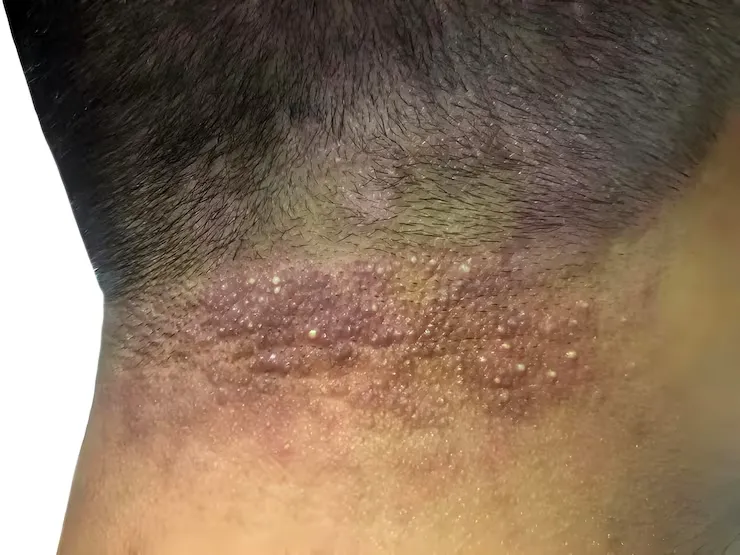

People are often dealing with an itchy, flaky scalp that keeps returning. Seborrheic dermatitis can be frustrating, but it needs an accurate diagnosis because dandruff, psoriasis, eczema, contact reactions and scalp infections can look alike. The right scalp treatment depends on the condition, not only on the flakes.
Reliable clinical evidence does not show that homeopathic remedies treat seborrheic dermatitis. Do not use a homeopathic product in place of evidence based scalp care, prescribed treatment or a dermatologist assessment. This guide explains symptoms, possible causes, safer treatment options and signs that mean you should seek medical care.
What Is Seborrheic Dermatitis
Seborrheic dermatitis is a common inflammatory skin condition. It often affects oily areas of the body, including the scalp, hairline, eyebrows, sides of the nose, ears, beard area and chest. On the scalp, it can cause white to yellowish flakes, greasy scale, itching and skin that looks red, pink, darker or lighter than the surrounding skin.
In adults and teenagers, it can improve and flare again over time. Treatment usually aims to control symptoms and reduce flare ups, rather than promise a permanent cure. In babies, seborrheic dermatitis on the scalp is commonly called cradle cap and needs age appropriate care. Adult dandruff shampoos should not be used for a baby unless a paediatric clinician advises it.
Seborrheic Dermatitis on the Scalp
Seborrheic dermatitis on the scalp can look like stubborn dandruff, but there may be more inflammation. You may notice sticky or greasy scale, itch, soreness, visible irritation at the hairline, or similar patches around the eyebrows and ears. The symptoms can vary across skin tones, so the amount of visible redness is not the only sign to consider.
The condition is not contagious. However, repeated scratching can break the skin, and broken skin can become infected. If itch is intense or the scalp becomes painful, oozing or swollen, do not keep trying new products without advice.
Seborrheic Dermatitis Causes
The exact cause is not fully understood. It is thought to involve a combination of natural skin oil activity, the Malassezia yeasts that normally live on skin, skin barrier changes and individual susceptibility. Stress, fatigue, weather changes, oily skin and irritating products can worsen symptoms for some people, but no single factor explains every flare.
Do not assume that poor hygiene caused the condition. Regular washing can help manage scalp oil and scale for some people, but vigorous scrubbing, very hot water or harsh products may make irritated skin worse.
Seborrheic Dermatitis and Dandruff
Dandruff is often considered a mild form or related expression of seborrheic dermatitis. Both can cause flakes and itching. Seborrheic dermatitis is more likely to involve inflammation and may affect areas beyond the scalp. A person can also have another skin condition at the same time, which is why persistent symptoms deserve a clinical assessment.
| What you notice | What it can suggest | What to do |
| Fine flakes with little redness | Dandruff may be a possibility. |
Use a dandruff shampoo as directed and reassess if it does not improve. |
| Greasy white or yellow scale with itch and redness on scalp, eyebrows or ears | Seborrheic dermatitis may be a possibility. |
Seek a qualified clinical assessment if symptoms are persistent, widespread or not improving. |
| Thick, sharply edged plaques with silvery scale | Scalp psoriasis can have this appearance. |
Book a dermatologist appointment rather than relying on a dandruff product alone. |
| Circular scaly patches, broken hairs, bald spots, pus or painful swelling | A scalp infection such as ringworm needs consideration. |
Seek timely medical care. This is not a condition to manage with home remedies. |
This comparison supports awareness. It cannot confirm a diagnosis from symptoms or a photograph alone.
Can Homeopathy Treat Seborrheic Dermatitis
People may search for homeopathy because they want a gentle option for a recurring scalp concern. However, there is no good quality evidence that homeopathy treats seborrheic dermatitis or prevents its flare ups. For safety, this article does not list homeopathic remedies, potencies or self prescribed doses.
If you use a complementary product, tell your dermatologist or other qualified clinician. Do not stop recommended treatment or delay an appointment while trying a remedy, especially when symptoms are extensive, painful, infected looking or causing hair breakage or hair loss.
Evidence Based Seborrheic Dermatitis Treatment
Mild to moderate seborrheic dermatitis on the scalp is often managed with a medicated dandruff shampoo. Common active ingredients include ketoconazole, selenium sulfide, zinc pyrithione, salicylic acid, sulfur or coal tar. Each works differently, and the right product, contact time and frequency depend on your hair type, scalp condition and the product label.
Scalp care principles
- Apply medicated shampoo to the scalp and leave it on for the label directed contact time before rinsing.
- Use it at the frequency advised on the label or by a dermatologist. Overuse can irritate or dry the scalp.
- For curly, coily, dry or colour treated hair, focus the medicated shampoo on the scalp and use hair length care that does not irritate the skin.
- Avoid scratching, aggressive brushing and picking off scale. These can worsen inflammation and create broken skin.
- Stop a product and seek advice if it causes marked burning, swelling, worsening redness or a spreading rash.
When a clinician may add treatment
A dermatologist may recommend an antifungal or anti inflammatory treatment for the scalp or affected facial areas, particularly when shampoo alone is not enough. Prescription medication and medicated steroid products need individual advice because the correct product, strength, body area and duration matter. Avoid borrowing medication or applying a face treatment to the scalp without clinical direction.
Daily Habits That May Reduce Scalp Irritation
- Use a consistent wash routine that suits your scalp rather than waiting until heavy scale has built up.
- Rinse styling products thoroughly and pause a new product if your scalp starts burning, itching or peeling after use.
- Avoid essential oils, strong fragrance, harsh scalp scrubs and multiple active products during a flare. These can irritate sensitive skin.
- Manage stress and sleep as part of general wellbeing. These habits may help some people notice fewer flares, but they are not a replacement for treatment.
- Track where the rash appears, what it looks like and what you used before a flare. This helps a clinician identify a possible product trigger or coexisting condition.
When to See a Dermatologist
Arrange a dermatology or qualified clinician assessment if the scalp problem is persistent, widespread, very itchy, painful, or does not improve with correctly used over the counter dandruff care. Diagnosis is particularly important when the face, ears, chest or other body areas are affected, because another type of dermatitis, psoriasis or infection may need different treatment.
Seek prompt medical care if you notice
- pus, oozing, crusting, bleeding, painful bumps, swelling, fever or a foul smell from the scalp
- circular scaly patches, broken hairs, patchy hair loss, bald spots or swollen glands in the neck
- a rapidly spreading rash, a severe reaction after a product, or swelling of the face, lips or throat
- a baby with a rash that is extensive, weeping, painful, affecting feeding or wellbeing, or causing concern to a parent or caregiver
- new or worsening symptoms while taking medicines that affect the immune system.
How Dr Tathed's Homeopathic Clinic Can Support You
At Dr Tathed's Homeopathic Clinic, a nonurgent consultation can help you discuss your scalp symptoms, product routine and questions about complementary care. It does not replace a dermatologist diagnosis or evidence based seborrheic dermatitis treatment. Persistent inflammation, suspected infection, sudden hair loss or painful scalp symptoms need timely dermatologist assessment.
For nonurgent concerns, you can book a seborrheic dermatitis consultation at Dr Tathed's Homeopathic Clinic in PCMC Pune Chinchwad, Viman Nagar Pune or Thane West.
Find Your Nearest Homeopathy Clinic
- Homeopathy Clinic in Chinchwad, Pune : Opposite lokmanya hospital, near railway bridge, Renuka Sai Society, Ganesh Nagar, Chinchwad, Pimpri-Chinchwad, Maharashtra 411033
- Homeopathy Clinic in Viman Nagar, Pune : Datta Mandir Chowk, Unit 106, 1st Floor, Lunkad Skymax Mall, Konark Nagar, Clover Park, Viman Nagar, Pune, Maharashtra 411014
- Homeopathy Clinic in Thane West : Office No. 207, JVM’s Corner Stone, Hariniwas Circle, Lal Bahadur Shastri Marg, Naupada, Thane West, Thane, Maharashtra 400602
Conclusion
Seborrheic dermatitis is common and usually manageable, but it should not be reduced to a cosmetic dandruff problem. Focus on the pattern, use medicated scalp care correctly when appropriate and seek a diagnosis if symptoms are persistent, inflamed, painful or unusual. Accurate treatment is more helpful than trying one unproven remedy after another.
For a nonurgent discussion about scalp care and complementary health questions, book a consultation with Dr Tathed's Homeopathic Clinic. For warning signs, seek dermatology or urgent medical care first.
Frequently Asked Questions
What is the best homeopathic remedy for seborrheic dermatitis
There is no good quality evidence that homeopathic remedies treat seborrheic dermatitis, so there is no evidence based remedy or dose to recommend. A dermatologist can help confirm the diagnosis and select treatment suited to the affected area and severity.
Is seborrheic dermatitis the same as dandruff
They are closely related. Dandruff can be a mild form or related scalp condition, while seborrheic dermatitis is more likely to involve inflammation and can affect areas such as the eyebrows, ears, nose and chest.
Can seborrheic dermatitis be cured permanently
It can often be controlled, but it may return in flare ups. Treatment aims to reduce scale, itch and inflammation and to prevent or manage recurrences. A permanent cure should not be promised.
Which shampoo helps seborrheic dermatitis on the scalp
A medicated dandruff shampoo may help mild to moderate scalp symptoms. Choose a product labelled for dandruff or seborrheic dermatitis, follow its directions and speak with a dermatologist or pharmacist if it does not help or irritates your scalp.
Can seborrheic dermatitis cause hair loss
The condition does not usually cause permanent hair loss. However, intense scratching, inflammation or a different scalp condition may affect the hair. Patchy loss, broken hairs or bald spots needs medical assessment. You can also read our guide about dandruff and hair loss.
Where can I visit Dr Tathed's Homeopathic Clinic for seborrheic dermatitis concerns
Dr Tathed's Homeopathic Clinic has locations in PCMC Pune Chinchwad, Viman Nagar Pune and Thane West. Seek a dermatologist or urgent medical care first for pain, pus, oozing, patchy hair loss, a spreading rash or facial swelling.
References :
- American Academy of Dermatology Seborrheic Dermatitis Overview
- American Academy of Dermatology Seborrheic Dermatitis Diagnosis and Treatment
- MedlinePlus Seborrheic Dermatitis
- American Academy of Dermatology Ten Reasons Your Scalp Itches
- NHS Specialist Pharmacy Service Complementary Products and Conventional Medicines
Medical information note: This article is for general education and does not diagnose seborrheic dermatitis or replace a qualified clinician's advice. Do not start, stop or delay prescribed treatment based on this page.