
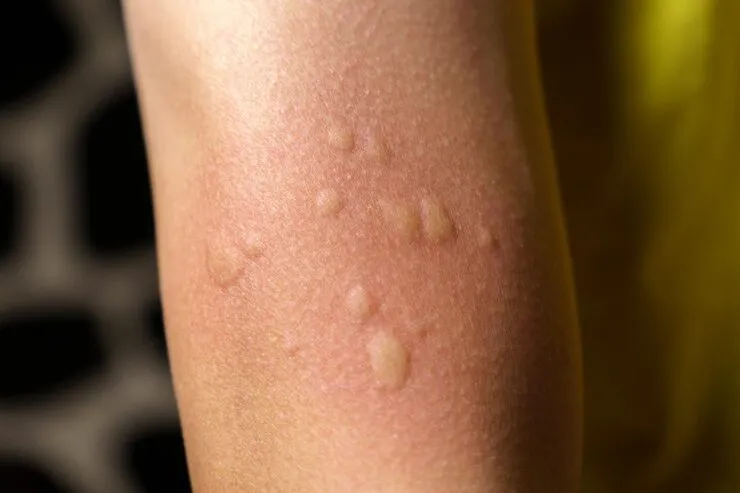

Searching for a cure for molluscum contagiosum often begins when small, shiny bumps appear on your skin or your child’s skin. The bumps may look worrying, but the good news is that molluscum contagiosum is usually mild. In most healthy people, the immune system clears the infection naturally.
However, recovery can take several months. During that time, scratching, shaving or squeezing the bumps can spread the infection to nearby skin. Some people also need medical treatment because the bumps are uncomfortable, widespread, infected or located around the eyes or genital area.
This guide explains how molluscum contagiosum clears, available treatment options, ways to prevent spreading it and when professional assessment is important.
Is There a Cure for Molluscum Contagiosum?
There is no instant cure that removes every molluscum bump overnight. For most healthy children and adults, the immune system gradually controls the virus and the bumps disappear without treatment.
Many cases improve within 6 to 12 months, although some take longer. New bumps may appear while older ones are healing, which can make the infection seem as though it is not improving. Once every bump has disappeared, the infection is usually considered cleared. Reinfection is still possible after future exposure.
Treatment may be recommended when the bumps:
- Are multiplying quickly
- Cause significant itching or discomfort
- Become repeatedly inflamed or infected
- Are being scratched because of eczema
- Appear around the eyes or genital area
- Affect confidence or daily activities
- Occur in someone with weakened immunity
- Continue for a long time without improvement
A qualified healthcare professional can confirm whether the bumps are molluscum and help determine whether observation or active treatment is more appropriate.
What Is Molluscum Contagiosum?
Molluscum contagiosum is a contagious skin infection caused by a poxvirus. It is particularly common among young children but can affect teenagers and adults as well.
The infection causes small, raised bumps that may be:
- White, pink or skin-coloured
- Smooth, firm and dome-shaped
- Approximately the size of a pinhead or pencil eraser
- Grouped together or spread across different areas
- Marked by a small central dip
- Itchy, red or inflamed
In children, the bumps frequently develop on the face, neck, arms, armpits, torso or behind the knees. They rarely appear on the palms or soles.
In adults, bumps around the lower abdomen, inner thighs or genital area may be transmitted through intimate skin contact. Genital bumps should be medically assessed because other skin conditions and sexually transmitted infections can look similar.
How Does Molluscum Contagiosum Spread?
Molluscum contagiosum spreads through direct skin contact or contact with objects that have touched affected skin. Transmission can occur through:
- Touching another person’s bumps
- Sharing towels, clothes or bedding
- Sharing toys, sports equipment or pool equipment
- Scratching or picking the bumps
- Shaving over the affected area
- Hair-removal procedures
- Sexual skin-to-skin contact
Scratching can move the virus from one part of the body to another. This is known as autoinoculation. Covering visible bumps and keeping fingernails short can reduce this risk.
Does Molluscum Contagiosum Always Need Treatment?
Not every case requires active treatment. If the diagnosis is clear, the person is otherwise healthy and the bumps are not causing problems, a healthcare professional may recommend allowing the infection to clear naturally.
Observation may be suitable when:
- There are only a few bumps
- The bumps are not painful or infected
- They are not near the eyes or genital area
- The person does not have weakened immunity
- The family can follow appropriate hygiene precautions
Waiting does not mean ignoring the condition. The skin should be monitored for new bumps, bacterial infection, worsening eczema or changes that make the diagnosis uncertain.
Medical Treatment Options for Molluscum Contagiosum
When treatment is appropriate, a dermatologist may select an option based on the person’s age, number of bumps, affected location, skin sensitivity and overall health.
Prescription Topical Treatment
A dermatologist may prescribe a medicine that is carefully applied to the bumps. The appropriate product and application method depend on age and skin location.
Do not apply prescription creams intended for another person. Products used on ordinary warts may irritate or damage healthy skin and should not be applied to molluscum unless specifically recommended.
Cantharidin Treatment
Cantharidin is an in-clinic treatment applied directly to individual bumps by a trained healthcare professional. It causes a controlled blister that helps remove the lesion.
It should not be purchased online or applied at home because incorrect use can cause chemical burns, severe irritation and scarring.
Cryotherapy
Cryotherapy uses liquid nitrogen to freeze and destroy individual bumps. It may be considered for older children, teenagers or adults, but it can cause discomfort and temporary changes in skin colour.
Curettage
Curettage involves removing the bumps with a medical instrument. It can be effective but may require local numbing and is generally more suitable for older children and adults.
The best treatment varies from one patient to another. No procedure should be attempted without confirming the diagnosis first.
Should You Pop Molluscum Contagiosum Bumps?
No. Squeezing, cutting or popping the bumps can release material containing the virus. This may spread the infection, introduce bacteria and increase the chance of marks or scars.
Avoid trying to remove the central core with needles, nail clippers or tweezers. If a bump opens accidentally, wash your hands, gently clean the area and cover it with a clean dressing.
Are Home Remedies Safe?
Online remedies commonly include vinegar, essential oils, strong antiseptics and ordinary wart-removal products. These substances can irritate the skin, particularly in children or people with eczema.
There is no reliable home remedy that guarantees rapid clearance. The safest home-care measures focus on protecting the skin and limiting transmission:
- Avoid scratching, squeezing or shaving over bumps
- Keep fingernails short
- Wash hands after touching the affected area
- Cover bumps with clothing or a suitable dressing
- Do not share towels, clothes or razors
- Use a gentle moisturiser if the surrounding skin is dry
- Follow medical advice for associated eczema
- Keep open or infected lesions away from shared water activities
Can Homeopathy Help Molluscum Contagiosum?
Some patients explore homeopathy while looking for a gentle treatment approach. However, current good-quality evidence does not establish homeopathy as a cure for molluscum contagiosum. It should not replace diagnostic assessment, appropriate skin care or medical treatment when treatment is required.
If you are considering a homeopathic consultation for molluscum contagiosum, inform the practitioner about all medicines and skin products you are using. Avoid self-prescribing remedies based only on photographs or online lists.
A responsible consultation should help you understand the condition, identify warning signs and arrange medical or dermatology assessment when the diagnosis is uncertain or symptoms are becoming severe.
How Dr Tathed’s Homeopathic Clinic Can Help You
At Dr Tathed’s Homeopathic Clinic, we understand that recurring or spreading skin bumps can be stressful, especially when they affect a child.
During a consultation, we can review:
- When the bumps first appeared
- How quickly they are spreading
- Whether itching or eczema is present
- Products already being applied to the skin
- Previous treatment history
- Medicines and existing health conditions
- Signs that require medical or dermatology assessment
Our approach includes patient education, safe skin-care guidance and practical advice to reduce scratching and transmission. If the appearance is unusual, the bumps are widespread or symptoms suggest infection or another condition, medical assessment will be recommended.
Patients looking for molluscum contagiosum treatment in Pune, PCMC or Thane can visit Dr Tathed’s Homeopathic Clinic in Chinchwad, Viman Nagar or Thane West.
How to Prevent Molluscum from Spreading
Molluscum can spread while visible bumps are present. These precautions can help protect family members and prevent spread to other areas:
-
Avoid touching or scratching the bumps.
-
Wash your hands after applying moisturiser or handling a dressing.
-
Cover exposed bumps during close-contact sports.
-
Do not share towels, clothes, razors or bedding.
-
Avoid shaving or waxing across affected skin.
-
Clean frequently shared sports and bathing equipment.
-
Use separate towels for affected children where practical.
-
Do not apply harsh products that damage the skin barrier.
Children do not usually need to stay away from school solely because they have molluscum. Visible lesions should be covered when possible, and school or childcare hygiene policies should be followed.
When Should You Seek Medical Assessment?
Arrange a medical or dermatology assessment if:
- You are unsure whether the bumps are molluscum
- The bumps are close to the eyes
- The genital area is affected
- The person has weakened immunity
- There are many large or rapidly spreading bumps
- Severe eczema is present
- The bumps are painful, hot or filled with pus
- Redness is spreading around the lesions
- The person develops fever or feels unwell
- The condition is affecting sleep, confidence or daily activities
- The bumps continue without improvement for a prolonged period
A red or inflamed bump is not always infected. Sometimes inflammation appears when the immune system begins clearing it. However, increasing pain, warmth, pus, spreading redness or fever needs medical attention.
Conclusion
Finding small, spreading bumps can be unsettling, but molluscum contagiosum is usually manageable. Most healthy people recover naturally, while selected cases benefit from medical treatment.
Protecting the skin, avoiding scratching, covering visible bumps and not sharing personal items can reduce transmission. Most importantly, obtain a professional assessment when the diagnosis is uncertain or the bumps involve sensitive areas.
If you would like personalised guidance, book a molluscum contagiosum consultation with Dr Tathed’s Homeopathic Clinic.
Frequently Asked Questions
How long does molluscum contagiosum take to go away?
Many cases clear within 6 to 12 months, but some take longer. New bumps may continue appearing while older bumps heal. Recovery time varies according to immune response, eczema, scratching and the number of lesions.
Can molluscum contagiosum disappear in seven days?
It is unlikely that every bump will disappear within seven days. Even with treatment, several sessions or weeks may be needed. Be cautious of products promising an overnight or permanent cure.
What is the best cream for molluscum contagiosum?
There is no single cream suitable for everyone. Treatment depends on age, lesion location, skin sensitivity and medical history. A dermatologist can advise whether a prescription topical treatment is appropriate.
Can I pop molluscum bumps at home?
No. Popping the bumps may spread the virus, cause bacterial infection and leave scars. Do not use needles, blades or nail clippers to remove them.
Is molluscum contagiosum dangerous?
It is usually mild in otherwise healthy people. Medical assessment becomes more important when the genital area or eyes are involved, the bumps are widespread or the person has weakened immunity.
Can adults get molluscum contagiosum?
Yes. Adults can acquire molluscum through close skin contact, shared objects or sexual contact. Genital lesions should be assessed by a healthcare professional.
Does molluscum leave scars?
Most lesions heal without scarring. Picking, squeezing, secondary infection and aggressive treatment can increase the risk of marks or scars.
Where can I visit Dr Tathed’s Homeopathic Clinic for molluscum guidance?
Dr Tathed’s Homeopathic Clinic has locations in PCMC Pune, Chinchwad, Viman Nagar, Pune and Thane West. You can book a molluscum contagiosum consultation to discuss symptoms, skin-care precautions and suitable next steps. If the bumps are severely painful, infected, close to the eyes or associated with fever, seek prompt medical assessment.
References -
- CDC: About Molluscum Contagiosum
- American Academy of Dermatology: Molluscum Contagiosum Diagnosis and Treatment
- NHS: Molluscum Contagiosum
- NCCIH: Homeopathy and Current Evidence
Medical note: This article is for general education. It does not provide a diagnosis or replace advice from a qualified healthcare professional. Do not start, stop or replace prescribed treatment without medical guidance.