
For parents, noticing developmental differences in a child can bring confusion, worry and many questions. If your child avoids eye contact, does not respond to their name, has delayed speech, repeats actions, becomes upset with routine changes or struggles with social interaction, you may start searching for autism support options in your area.
Many parents also search for questions like can mild autism be cured, is mild autism curable, how to improve eye contact autism, and what foods to avoid with autism. These are natural concerns, especially when parents want the best possible support for their child.
This blog explains autism support with homeopathy in Thane in a responsible, parent-friendly way. It also explains what autism is, what mild autism means, how food habits may affect some children, how eye contact can be encouraged gently and when parents should consult a specialist.
What Is Autism?
Autism, also called Autism Spectrum Disorder, is a neurodevelopmental condition. It affects how a child communicates, interacts, learns, behaves and responds to the world around them. The word “spectrum” is important because every autistic child is different. Some children may speak fluently but struggle socially, while others may have speech delay, sensory sensitivity or repetitive behaviours.
Autism is not caused by poor parenting. It is not a discipline problem. It is also not something a child is doing intentionally. A child with autism may process sounds, lights, touch, emotions and communication differently.
Common signs of autism may include:
- Limited or inconsistent eye contact
- Not responding to name
- Speech delay or limited speech
- Repeating words or actions
- Difficulty playing with other children
- Strong preference for routine
- Sensitivity to sound, light, smell, texture or touch
- Meltdowns when overwhelmed
- Difficulty expressing needs
- Repetitive movements such as hand flapping or rocking
- Focused interest in specific objects or topics
If parents notice these signs, it is better to seek early evaluation instead of waiting for the child to “grow out of it.”
Why Early Support Matters for Children with Autism
Early support can make a meaningful difference in a child’s communication, behaviour, learning and daily functioning. It helps parents understand their child’s needs and create the right support system at home, school and therapy settings.
Support may include speech therapy, occupational therapy, behavioural intervention, special education, parent training, sensory support and medical guidance where needed. In some cases, parents also explore homeopathy as a supportive approach for behaviour, sleep, sensory issues, anxiety, irritability or emotional regulation.
Parents looking for autism support with homeopathy in Thane should choose a clinic that understands child development, listens carefully and does not make unrealistic promises.
Autism Support with Homeopathy in Thane
Homeopathy looks at the child as a whole, not only at one symptom. In autism-related care, a homeopathy doctor may ask detailed questions about the child’s behaviour, sleep, digestion, sensory responses, fears, food preferences, emotional reactions, communication pattern and developmental history.
At Dr. Tathed’s Homeopathy Clinic in Thane, parents can explore autism treatment in homeopathy as a personalised support option for children with developmental and behavioural concerns.
A responsible homeopathy approach should focus on support, not false guarantees. Autism is a lifelong neurodevelopmental condition, so the goal should be to help the child improve daily functioning, emotional regulation, communication, sleep, focus and social comfort as much as possible.
Homeopathy should not replace therapies such as speech therapy, occupational therapy, behavioural intervention or developmental assessment. It may be considered as part of a broader support plan under professional guidance.
Can Mild Autism Be Cured?
One of the most common parent questions is can mild autism be cured. The honest answer is that autism is not usually described as something that is “cured.” Autism is a lifelong neurodevelopmental difference. However, children with mild autism can make strong progress with early support, structured routines, therapy, parent involvement and the right learning environment.
A child with mild autism may improve in communication, social participation, emotional control, eye contact, flexibility and daily independence. Some children may become highly functional and manage school, friendships and daily life well. But this does not mean autism has disappeared completely.
Parents should avoid clinics or sources that promise a complete cure for autism. Instead, look for a support plan that focuses on measurable improvements.
Is Mild Autism Curable?
The related question is mild autism curable should also be answered carefully. Mild autism is not generally considered curable in the medical sense. But many children with mild autism can develop better skills, reduce distress and improve their quality of life with consistent support.
The focus should be on:
- Improving communication
- Supporting speech and language
- Reducing sensory overload
- Managing meltdowns
- Building social comfort
- Improving sleep and routine
- Supporting learning
- Helping the child become more independent
- Guiding parents with practical strategies
Parents should remember that improvement is possible, but every child progresses at a different speed.
How to Improve Eye Contact Autism
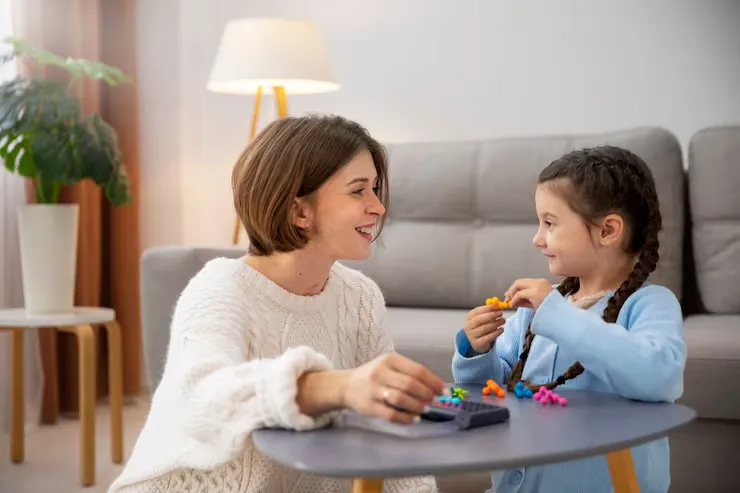
Another common concern is how to improve eye contact autism. Many parents worry when their child does not look directly at them while talking. Eye contact can be difficult for autistic children because it may feel uncomfortable, overwhelming or distracting.
The goal should not be to force eye contact. Forced eye contact can increase anxiety or make the child avoid communication. Instead, parents can encourage natural and comfortable engagement.
Here are practical ways to support eye contact gently:
1. Start with Short Moments
Do not expect long eye contact. Even one or two seconds of looking toward your face is progress. Appreciate small attempts without pressure.
2. Use the Child’s Interests
If your child likes a toy, puzzle, song or snack, use that interest to create interaction. Hold the object near your face and wait for the child to look in your direction.
3. Sit at the Child’s Level
When talking to your child, sit at their eye level instead of standing above them. This feels less intimidating and more comfortable.
4. Avoid Repeated Commands
Constantly saying “look at me” can create pressure. Instead, use playful interaction, facial expressions, gestures and warm communication.
5. Reward Communication, Not Just Eye Contact
Some autistic children listen better when they are not looking directly. Focus on whether the child is understanding and responding, not only whether they are making eye contact.
6. Work with Therapists
Speech therapists, occupational therapists and behavioural professionals can guide parents on social communication strategies suited to the child’s needs.
What Foods to Avoid with Autism
Parents often ask what foods to avoid with autism because many autistic children have selective eating, texture sensitivity, digestive concerns or strong food preferences. There is no single autism diet that works for every child. Food should be handled carefully because unnecessary restrictions can lead to nutritional deficiencies.
Still, some children may benefit from reducing foods that worsen digestion, hyperactivity, sleep or behaviour. Parents should observe patterns and consult a doctor or dietitian before making strict changes.
Foods and habits to monitor may include:
1. Excess Sugar
Too much sugar from sweets, packaged juices, chocolates, bakery items and soft drinks may affect energy levels, sleep and behaviour in some children.
2. Highly Processed Foods
Packaged snacks, chips, instant noodles, processed meats and artificial flavour-heavy foods may not support overall health.
3. Artificial Colours and Preservatives
Some children may be sensitive to artificial colours, flavours or preservatives. If behaviour worsens after certain packaged foods, parents should note it.
4. Caffeine
Tea, coffee, cola and energy drinks are not suitable for young children and may disturb sleep or increase restlessness.
5. Foods That Trigger Digestive Issues
If milk, gluten, certain fruits, fried foods or spicy foods cause bloating, constipation, loose motions or discomfort, discuss it with a doctor. Do not remove major food groups without professional advice.
Instead of asking only what foods to avoid with autism, parents should focus on a balanced diet with fruits, vegetables, protein, whole grains, healthy fats and adequate water. Feeding therapy may be useful for children with extreme picky eating.
Signs Parents Should Not Ignore
Parents in Thane should consider professional consultation if they notice:
- No response to name
- No meaningful words by expected age
- Loss of previously learned speech or skills
- Poor eye contact with poor social response
- Repetitive behaviour
- Extreme food selectivity
- Frequent meltdowns
- Sensory sensitivity
- No pretend play
- Difficulty following simple instructions
- Delayed social interaction
- Hyperactivity or poor focus
- Sleep issues with behaviour changes
Early evaluation does not label the child negatively. It helps parents understand what support the child needs.
Why Parents in Thane Choose Local Support
For autism support, regular follow-up matters. A clinic close to home makes it easier for parents to continue consultations and track progress. Dr. Tathed’s Homeopathy Clinic in Thane is located in Naupada, Thane West, near Hariniwas Circle and LBS Marg.
Parents from Panchpakhadi, Teen Hath Naka, Vartak Nagar, Wagle Estate, Majiwada, Manpada, Ghodbunder Road, Kalwa, Mulund, Airoli and nearby areas can easily access the clinic for consultation.
A local clinic is especially useful when parents need repeated guidance for behaviour changes, sleep concerns, school-related challenges or therapy coordination.
What to Expect During a Homeopathy Consultation
During a consultation, the doctor may ask about:
- Pregnancy and birth history
- Developmental milestones
- Speech and language progress
- Eye contact and social response
- Food habits and digestion
- Sleep pattern
- Sensory issues
- Behaviour and meltdowns
- Fears and emotional triggers
- School performance
- Family medical history
- Previous therapies or treatments
This detailed case-taking helps create a personalised support plan. Parents should carry previous reports, diagnosis papers, therapy notes and school feedback if available.
Parent Tips for Daily Autism Support at Home
Parents play the biggest role in a child’s progress. Simple daily habits can help:
- Keep a predictable routine
- Use short and clear instructions
- Give visual cues where possible
- Reduce loud noise and sensory overload
- Praise small improvements
- Avoid comparing the child with others
- Encourage play-based learning
- Maintain sleep schedule
- Track food and behaviour patterns
- Work with therapists and doctors
- Stay patient with slow progress
Autism support is not only about treatment. It is about building an environment where the child feels safe, understood and supported.
Autism support with homeopathy in Thane can be considered by parents who want a personalised and holistic approach for their child’s behavioural, emotional and developmental needs. However, parents should understand that autism is a lifelong neurodevelopmental condition and should not be approached with unrealistic cure promises.
Questions like can mild autism be cured and is mild autism curable need honest answers. Mild autism may not be curable in the strict medical sense, but children can improve significantly with early intervention, structured support, therapy, family involvement and professional guidance.
Similarly, questions such as how to improve eye contact autism and what foods to avoid with autism should be handled gently and individually. Every child is different, and the best plan is one that respects the child’s comfort, strengths and needs.
Worried about your child’s speech delay, eye contact, behaviour, food habits or social development?
Consult Dr. Tathed’s Homeopathy Clinic in Naupada, Thane West, for personalised autism and child behaviour support.
Parents from Panchpakhadi, Teen Hath Naka, Vartak Nagar, Majiwada, Ghodbunder Road, Kalwa, Mulund, Airoli and nearby areas can easily access the clinic. Book your consultation today
Visit Our Homeopathy Clinic
Homeopathy Clinic in Thane West : Office No. 207, JVM’s Corner Stone, Hariniwas Circle, Lal Bahadur Shastri Marg, Naupada, Thane West, Thane, Maharashtra 400602
FAQs
1. Can mild autism be cured?
Mild autism is not usually described as curable because autism is a lifelong neurodevelopmental condition. However, children with mild autism can improve communication, behaviour, learning and social skills with early support.
2. Is mild autism curable?
Mild autism may not be curable in the strict medical sense, but many children show strong progress with therapy, structured routines, parent training and personalised care.
3. How to improve eye contact autism?
Eye contact should be encouraged gently, not forced. Parents can use short moments, play-based interaction, the child’s favourite toys and therapist-guided social communication strategies.
4. What foods to avoid with autism?
There is no single food restriction for every autistic child. However, parents can monitor excess sugar, processed foods, artificial colours, caffeine and foods that trigger digestive issues. Strict diet changes should be made only with professional advice.
5. Can homeopathy support autism?
Homeopathy may be used as a supportive approach for behaviour, sleep, emotional regulation and individual symptoms. It should be combined with appropriate developmental therapies and, when needed, professional assessment.
6. When should parents consult a doctor for autism signs?
Parents should consult a doctor if the child has a speech delay, poor response to their name, limited eye contact, repetitive behaviour, sensory issues, frequent meltdowns, or loss of learned skills.
7. Where can I find autism support with homeopathy in Thane?
Parents can consult Dr. Tathed’s Homeopathy Clinic in Naupada, Thane West, for personalised autism and child behaviour support.
References
https://www.cdc.gov/autism/about/index.html
https://www.cdc.gov/autism/signs-symptoms/index.html
https://www.cdc.gov/autism/treatment/index.html
https://www.nhs.uk/conditions/autism/what-is-autism/
https://www.nimh.nih.gov/health/publications/autism-spectrum-disorder
https://www.who.int/news-room/fact-sheets/detail/autism-spectrum-disorders
https://www.mayoclinic.org/diseases-conditions/autism-spectrum-disorder/symptoms-causes/syc-20352928