
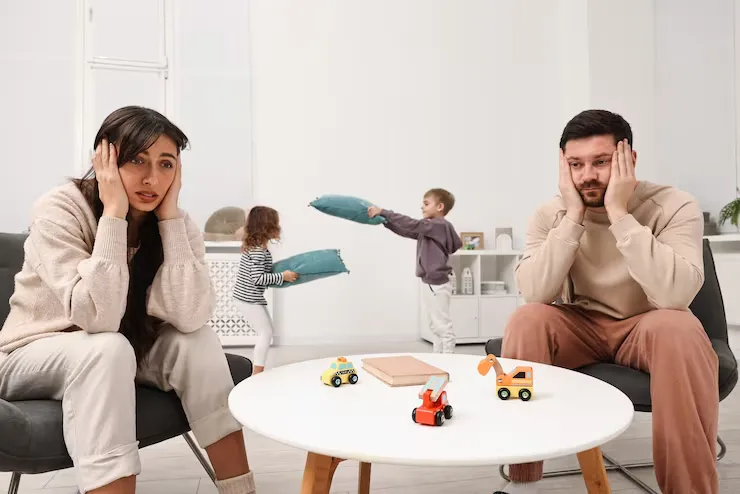

Every child has energy. Some children run, jump, talk continuously, ask many questions and find it difficult to sit quietly for long. This can be completely normal, especially in younger children. But when a hyperactive child struggles repeatedly at home, school, social gatherings and daily routines, parents may start wondering whether it is just high energy or ADHD.
This question is important because not every active child has ADHD. At the same time, ADHD should not be dismissed as bad behaviour, poor discipline or laziness. ADHD is a neurodevelopmental condition that can affect attention, impulse control, emotional regulation, learning and relationships.
Parents should understand the difference between normal hyperactivity and concerning behaviour patterns. Early observation and the right guidance can help a child receive support before academic, emotional and social difficulties become bigger.
What Is a Hyperactive Child?
A hyperactive child is a child who shows high levels of movement, restlessness, talking or impulsive behaviour. Some children are naturally energetic. They may love outdoor games, talk loudly when excited, move quickly from one activity to another, or become restless when bored.
This does not always mean there is a disorder. A child may be more active because of age, personality, poor sleep, excess screen time, excitement, anxiety, lack of routine, hunger, emotional stress or too much stimulation.
Hyperactivity becomes a concern when it is excessive for the child’s age, difficult to control, present in more than one setting, and affecting learning, behaviour or relationships.
What Is ADHD?
ADHD stands for Attention Deficit Hyperactivity Disorder. It is a neurodevelopmental condition that usually begins in childhood. Children with ADHD may have trouble paying attention, controlling impulses or managing activity levels.
ADHD may appear in different ways:
- Mostly inattentive symptoms
- Mostly hyperactive and impulsive symptoms
- Combined inattentive, hyperactive and impulsive symptoms
This means every child with ADHD will not look the same. Some children are visibly restless and disruptive. Others may sit quietly but daydream, forget instructions, lose things and struggle to complete tasks.
Normal Hyperactivity vs ADHD: Key Differences
The biggest difference is not just energy level. The difference is pattern, control, frequency and impact.
Normal Hyperactivity
A normally active child may:
- Run and play for long periods
- Become excited in new places
- Talk more when happy
- Become restless when bored
- Calm down with reminders
- Sit quietly for favourite activities
- Follow routine when guided
- Show improvement with sleep, structure and limits
This type of behaviour is usually situation-based and manageable.
ADHD-Related Hyperactivity
A child with ADHD-like symptoms may:
- Fidget constantly even when expected to sit
- Leave the seat repeatedly in class
- Interrupt conversations often
- Talk excessively
- Struggle to wait for turns
- Run or climb in unsuitable places
- Act before thinking
- Lose focus even during important tasks
- Make careless mistakes repeatedly
- Forget instructions often
- Struggle across home, school and social settings
The behaviour is not occasional. It becomes a repeated pattern and affects daily life.
Why Is My Child Hyperactive?
Parents often ask, “Why is my child hyperactive?” There can be many reasons. Some are temporary, while others need professional evaluation.
Possible reasons include:
- Lack of sleep
- Irregular routine
- Excess screen exposure
- Anxiety or emotional stress
- Family changes
- Poor diet timing or too much sugar intake
- Lack of physical activity
- Sensory overload
- Learning difficulties
- ADHD
- Other developmental or behavioural concerns
Before assuming ADHD, it is important to observe the child carefully. A proper evaluation helps rule out sleep issues, anxiety, hearing or vision problems, learning difficulties and other causes.
Hyperactive Baby or Toddler: Should Parents Worry?
Babies and toddlers are naturally active. They explore the world through movement. Running, climbing, touching objects and short attention span are common in early childhood.
However, parents should seek guidance if the child shows extreme restlessness, very poor sleep, delayed speech, lack of response to name, repeated unsafe behaviour, frequent severe tantrums, poor eye contact, or difficulty interacting socially.
In very young children, doctors usually look at overall development, communication, sleep, sensory behaviour and family history before giving any opinion. Avoid labelling a baby as ADHD without proper evaluation.
Normal and Abnormal Behaviour: What Parents Should Observe
Instead of judging one incident, observe patterns over time.
Behaviour That May Be Within Normal Range
- Active play after school
- Occasional tantrums
- Talking a lot when excited
- Difficulty sitting during long adult conversations
- Mood changes when tired or hungry
- Impulsive actions once in a while
- Better behaviour with rest and routine
Behaviour That Needs Attention
- Same issues happening almost daily
- Complaints from school repeatedly
- Difficulty following basic instructions
- Frequent aggression or unsafe behaviour
- No improvement with structure
- Problems with friends
- Poor academic performance despite ability
- Constant fidgeting and restlessness
- Extreme impatience
- Emotional outbursts beyond age level
If the behaviour affects the child’s learning, family life, confidence or relationships, it should be checked.
ADHD Hyperactive Symptoms Parents Should Know
A child with hyperactive or impulsive ADHD symptoms may show:
- Constant fidgeting
- Squirming in the seat
- Leaving the seat when expected to remain seated
- Running or climbing in unsuitable situations
- Difficulty playing quietly
- Talking too much
- Blurting out answers
- Interrupting others
- Difficulty waiting for turns
- Acting without thinking
These symptoms should be assessed in context. A child who behaves this way only occasionally may not have ADHD. A child who behaves this way repeatedly across different settings may need evaluation.
Inattention Symptoms Can Also Be Present
Many parents focus only on hyperactivity, but attention issues are equally important. A child may also:
- Make careless mistakes
- Avoid homework
- Lose books, pencils or toys
- Forget daily tasks
- Seem not to listen
- Fail to finish work
- Get distracted easily
- Struggle to organise schoolwork
- Need repeated reminders
Some children, especially girls, may show more inattentive symptoms than hyperactivity. They may be missed because they are not disruptive.
How ADHD Is Evaluated
ADHD diagnosis should be made by a qualified healthcare professional. It usually involves detailed history from parents, teacher feedback, behaviour observation, developmental history and screening for other concerns.
Doctors may check:
- Whether symptoms started in childhood
- Whether symptoms are present in more than one setting
- Whether symptoms are affecting school, home or social life
- Whether sleep, anxiety, vision, hearing or learning issues may explain the behaviour
- Whether there are co-existing concerns such as anxiety, behavioural issues or developmental delays
Parents should not self-diagnose from online checklists. Online information can help you observe better, but it cannot replace professional assessment.
What Parents Can Do at Home
Parents can support a hyperactive child with structure and patience.
Helpful steps include:
- Keep a fixed sleep routine
- Reduce screen time, especially before bed
- Give clear and short instructions
- Break tasks into smaller steps
- Use positive reinforcement
- Provide daily physical activity
- Avoid shouting repeatedly
- Maintain a calm home routine
- Speak to teachers regularly
- Track behaviour patterns
- Praise effort, not only results
A child who is struggling does not need constant criticism. They need structure, support and the right care.
When Should You Seek Help?
You should consult a doctor or child behaviour specialist if:
- Your child is struggling in school
- Teachers repeatedly complain about focus or behaviour
- The child cannot sit, wait or follow instructions even with guidance
- Behaviour is affecting friendships
- Emotional outbursts are frequent
- The child is becoming anxious, ashamed or frustrated
- Hyperactivity is unsafe
- There is delayed speech, poor social interaction or learning difficulty
- Symptoms are present at home and school
Early help does not mean labelling the child. It means understanding the child better.
Homeopathy Support for Hyperactive Kids and ADHD
For parents looking for child behaviour or ADHD support in Pune, Viman Nagar, Chinchwad or Thane, homeopathy may be considered as part of a personalised care approach under a qualified doctor.
A homeopathy consultation usually looks beyond surface behaviour. The doctor may ask about sleep, fears, anger patterns, digestion, concentration, family stress, school performance, emotional sensitivity and developmental history. This helps create an individual plan for the child.
The goal is to support the child’s attention, calmness, emotional balance, sleep, confidence and daily functioning. Parents may also be guided on routine, behaviour tracking and home support.
Early Recognition and Support Are Important
A hyperactive child is not always a child with ADHD. But repeated restlessness, impulsivity, poor focus and school difficulties should not be ignored. The right approach is observation, patience and timely professional guidance.
Concerned About Your Child's Hyperactivity or Attention Difficulties?
If your child is showing repeated hyperactivity, poor focus, impulsive behaviour or school-related difficulties, book a consultation with Dr. Tathed’s Homeopathy Clinic in Pune, Viman Nagar, Chinchwad or Thane for personalised child behaviour and ADHD support.
Visit Our Homeopathy Clinics
- Homeopathy Clinic in Chinchwad, Pune : Opposite lokmanya hospital, near railway bridge, Renuka Sai Society, Ganesh Nagar, Chinchwad, Pimpri-Chinchwad, Maharashtra 411033
- Homeopathy Clinic in Viman Nagar, Pune : Datta Mandir Chowk, Unit 106, 1st Floor, Lunkad Skymax Mall, Konark Nagar, Clover Park, Viman Nagar, Pune, Maharashtra 411014
- Homeopathy Clinic in Thane West : Office No. 207, JVM’s Corner Stone, Hariniwas Circle, Lal Bahadur Shastri Marg, Naupada, Thane West, Thane, Maharashtra 400602
FAQs
1. What is a hyperactive child?
A hyperactive child shows high movement, restlessness, talking or impulsive behaviour. It may be normal in some children, but it needs attention if it is excessive, repeated and affecting daily life.
2. Is every hyperactive child ADHD?
No. Many children are naturally energetic. ADHD is considered when symptoms are persistent, difficult to control and causing problems at home, school or with friends.
3. Why is my child hyperactive?
Hyperactivity can be linked to age, personality, poor sleep, anxiety, screen time, lack of routine, learning difficulties, sensory issues or ADHD. Proper evaluation helps identify the reason.
4. What is the difference between normal and abnormal behaviour?
Normal behaviour is occasional, age-appropriate and improves with guidance. Concerning behaviour is repeated, intense, difficult to manage and affects learning, safety or relationships.
5. When should parents consult a doctor?
Parents should consult a doctor if hyperactivity, impulsivity or poor focus is affecting school, home routines, friendships, confidence or safety.
Reference Links
https://www.cdc.gov/adhd/signs-symptoms/index.html
https://www.cdc.gov/adhd/diagnosis/index.html
https://www.cdc.gov/adhd/treatment/index.html
https://www.nimh.nih.gov/health/topics/attention-deficit-hyperactivity-disorder-adhd