
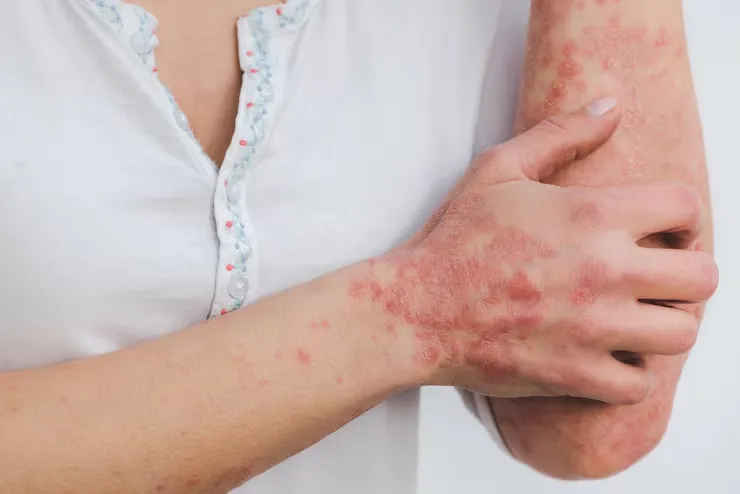

Many people living with psoriasis notice that their skin does not flare randomly. It may worsen after stress, cold weather, alcohol, poor sleep, infection, skin injury, or certain food habits. This is why searches for foods to avoid with psoriasis are common. Patients want to know whether diet can reduce itching, scaling, redness and repeated flare-ups.
Psoriasis is a chronic immune-mediated skin condition. It causes skin cells to build up faster than normal, leading to thick, scaly, itchy or inflamed patches. These patches may appear on the scalp, elbows, knees, lower back, hands, feet, nails or other areas. Psoriasis is not contagious, but it can be uncomfortable and emotionally stressful.
Food alone does not “cause” psoriasis in everyone. Also, there is no single psoriasis diet that works for all patients. However, certain foods and lifestyle habits may worsen inflammation or trigger flare-ups in some people. Understanding your personal triggers can help you manage psoriasis better.
What Triggers Psoriasis?
Psoriasis triggers are factors that can worsen symptoms or start a flare. Triggers differ from person to person. One patient may flare after stress, while another may react more to winter dryness, alcohol or skin injury.
Common psoriasis triggers include:
- Emotional stress
- Skin injury, cuts, scratches or sunburn
- Cold and dry weather
- Certain infections
- Some medicines
- Smoking
- Frequent or excessive alcohol intake
- Poor sleep
- Weight gain and metabolic health issues
- Individual food triggers
The most important step is to identify your own pattern instead of copying someone else’s diet or routine.
Foods to Avoid With Psoriasis: What Patients Should Know
Food can influence inflammation, body weight, gut health and immune response. For some people, changing food habits may reduce flare frequency or improve overall comfort. For others, diet may have only a mild role.
The goal is not extreme restriction. The goal is to reduce foods that commonly worsen inflammation and observe what affects your skin.
9 Foods to Avoid With Psoriasis or Reduce Carefully
1. Alcohol
Psoriasis and alcohol are often linked with flare-ups. Frequent or heavy alcohol intake may worsen inflammation, affect sleep, reduce treatment response and make skin symptoms harder to control. If you notice itching, redness or scaling after drinking, it is better to avoid alcohol or discuss it with your doctor.
2. Deep-Fried Foods
Fried snacks, fast food and oily packaged foods may increase inflammatory load in the body. Regular intake of fried foods can also contribute to weight gain, which may worsen psoriasis severity in some people.
Examples include fried chips, pakoras, samosas, fries, fried chicken, bhajiyas and heavily oily street foods.
3. Processed and Packaged Foods
Packaged foods often contain refined flour, excess salt, preservatives, unhealthy fats and added sugar. These foods may not directly cause psoriasis, but they can affect weight, digestion and inflammation.
Try to reduce biscuits, chips, instant noodles, packaged sweets, processed meats and ready-to-eat snacks.
4. Sugary Foods and Drinks
High sugar intake may worsen inflammation and weight-related issues. Sweets, cold drinks, packaged juices, cakes, pastries and sugary tea or coffee can increase calorie load without supporting skin health.
If you have frequent psoriasis flare-ups, reducing sugar is a practical step.
5. Red Meat and Processed Meat
Some people with psoriasis feel better after reducing red meat and processed meat. These foods may be high in saturated fat and may contribute to inflammation when eaten often.
Patients can consider limiting sausages, salami, processed meat products, mutton, beef and heavy meat-based meals, especially if flares are frequent.
6. Refined Carbohydrates
Refined carbohydrates digest quickly and may affect blood sugar and weight. White bread, maida-based snacks, sugary cereals, bakery items and refined flour foods may not be ideal for patients trying to reduce inflammation.
Choose whole grains when possible, such as whole wheat, millets, brown rice, oats or other balanced options.
7. Excess Dairy if It Triggers You
Dairy does not trigger psoriasis in everyone. Some patients tolerate milk, curd and paneer well. Others feel that full-fat dairy or certain dairy products worsen itching or flare-ups.
Do not remove dairy blindly. Track your symptoms and discuss with a doctor or nutrition professional if you suspect a link.
8. Gluten if You Are Sensitive
Gluten is not a psoriasis trigger for every patient. However, people with gluten sensitivity or celiac disease may need to avoid it. If you feel bloating, digestive discomfort and skin worsening after wheat-based foods, medical evaluation is better than self-diagnosis.
9. Personal Trigger Foods
This is the most important category. Some patients notice flares after spicy foods, sour foods, seafood, bakery items, artificial colours, cold drinks or specific restaurant meals. These may not affect everyone.
Maintain a psoriasis flare diary for 4 to 6 weeks. Write down what you ate, stress level, sleep, weather, medicines, and skin changes. This gives a clearer picture.
Foods to Prevent Psoriasis: Can Diet Stop Psoriasis?
No food can guarantee prevention or cure of psoriasis. However, a balanced anti-inflammatory eating pattern can support skin health and overall health.
Helpful food habits may include:
- Fresh fruits and vegetables
- Nuts and seeds in moderation
- Whole grains
- Lentils, pulses and balanced protein
- Fatty fish if part of your diet
- Plenty of water
- Home-cooked meals
- Less sugar and refined flour
- Less fried and packaged food
The purpose is to support the body, not to create fear around food.
Stress and Psoriasis Flare-Ups
Stress is one of the most common psoriasis triggers. Many patients notice itching, scaling or new patches during emotional pressure, work stress, exams, family stress, grief or poor sleep.
Stress may also make a person scratch more, sleep less, eat poorly or skip treatment. This can create a cycle where psoriasis worsens and the worsening skin creates more stress.
Helpful steps include:
- Fixed sleep time
- Gentle exercise
- Meditation or breathing practice
- Walking
- Journaling
- Reducing screen time before bed
- Speaking to a doctor if anxiety is high
In homeopathy, stress patterns, emotional triggers, sleep and overall temperament are often considered while planning personalised psoriasis care.
Weather and Psoriasis
Many people experience worse psoriasis during cold and dry weather. Winter can make the skin dry, itchy and cracked. Hot showers, harsh soaps and low humidity may make symptoms worse.
To protect your skin:
- Use lukewarm water instead of hot water
- Apply moisturiser after bath
- Avoid harsh soaps and fragrance-heavy products
- Do not scratch dry patches
- Wear soft cotton clothing
- Protect skin from sunburn
- Consult a doctor if cracks, bleeding or pain appear
Some sunlight may help certain patients, but sunburn can worsen psoriasis. Do not use sun exposure as treatment without medical advice.
Lifestyle Factors That Affect Psoriasis
Psoriasis is not only a skin issue. It can be connected with immune activity, inflammation, weight, stress and joint health. Lifestyle cannot replace treatment, but it can support better control.
Important lifestyle habits include:
- Maintain a healthy weight
- Avoid smoking
- Reduce or avoid alcohol
- Sleep properly
- Keep skin moisturised
- Avoid scratching
- Treat infections early
- Follow medical advice consistently
- Track triggers and flare patterns
When Should You See a Doctor?
You should consult a doctor if:
- Psoriasis patches are spreading
- Itching is disturbing sleep
- Skin is cracking or bleeding
- Scalp flakes are severe
- Nails are thick, pitted or painful
- Joints are stiff, swollen or painful
- Flare-ups are frequent
- Stress or embarrassment is affecting daily life
- Over-the-counter creams are not helping
Joint pain is especially important. Psoriasis can be associated with psoriatic arthritis in some people. Early evaluation can prevent long-term discomfort.
Homeopathy Support for Psoriasis
Homeopathic care for psoriasis focuses on the individual, not just the visible patch. A qualified homeopathy doctor may assess the person’s skin symptoms, flare triggers, stress response, digestion, sleep, family history, medical history and overall constitution.
Patients looking for psoriasis treatment in Pune, Viman Nagar, Chinchwad or Thane should avoid self-medication. Psoriasis needs a proper plan, especially if it is recurrent, spreading or affecting confidence.
Small Lifestyle Changes Can Help Control Flare-Ups
Psoriasis triggers are personal. Food, stress, weather, alcohol, sleep and lifestyle can all play a role, but the pattern differs for every patient. Instead of following extreme diets, focus on balanced eating, trigger tracking, skin protection and timely medical care.
Struggling with Frequent Psoriasis Flare-Ups?
If you are struggling with recurring psoriasis flare-ups and need personalised psoriasis care in Pune, Viman Nagar, Chinchwad or Thane, book a consultation with Dr. Tathed’s Homeopathy Clinic for a detailed evaluation and treatment plan.
Visit Our Homeopathy Clinic
- Homeopathy Clinic in Chinchwad, Pune : Opposite lokmanya hospital, near railway bridge, Renuka Sai Society, Ganesh Nagar, Chinchwad, Pimpri-Chinchwad, Maharashtra 411033
- Homeopathy Clinic in Viman Nagar, Pune : Datta Mandir Chowk, Unit 106, 1st Floor, Lunkad Skymax Mall, Konark Nagar, Clover Park, Viman Nagar, Pune, Maharashtra 411014
- Homeopathy Clinic in Thane West : Office No. 207, JVM’s Corner Stone, Hariniwas Circle, Lal Bahadur Shastri Marg, Naupada, Thane West, Thane, Maharashtra 400602
FAQs
1. What are the common foods to avoid with psoriasis?
Common foods to reduce include alcohol, fried foods, processed snacks, sugary foods, refined carbohydrates, processed meat and any personal trigger food that worsens your flare-ups.
2. Can food cause psoriasis?
Food alone does not usually cause psoriasis. Psoriasis is an immune-mediated condition. However, certain foods may trigger or worsen flare-ups in some people.
3. Is alcohol bad for psoriasis?
Frequent or excessive alcohol intake may worsen psoriasis symptoms in some patients and may interfere with treatment response. It is better to limit or avoid alcohol if it triggers your skin.
4. Does stress trigger psoriasis?
Yes, stress is a common trigger for many people. Stress can worsen inflammation, sleep quality and scratching, which may increase flare-ups.
5. Can psoriasis be cured permanently?
Psoriasis is usually a long-term condition. The goal is to reduce flare-ups, manage symptoms, protect skin, identify triggers and improve quality of life with proper care.
Reference Links
https://www.psoriasis.org/dietary-modifications/
https://www.aad.org/public/diseases/psoriasis/triggers/flares
https://www.niams.nih.gov/health-topics/psoriasis
https://www.nhs.uk/conditions/psoriasis/
https://www.mayoclinic.org/diseases-conditions/psoriasis/symptoms-causes/syc-20355840