
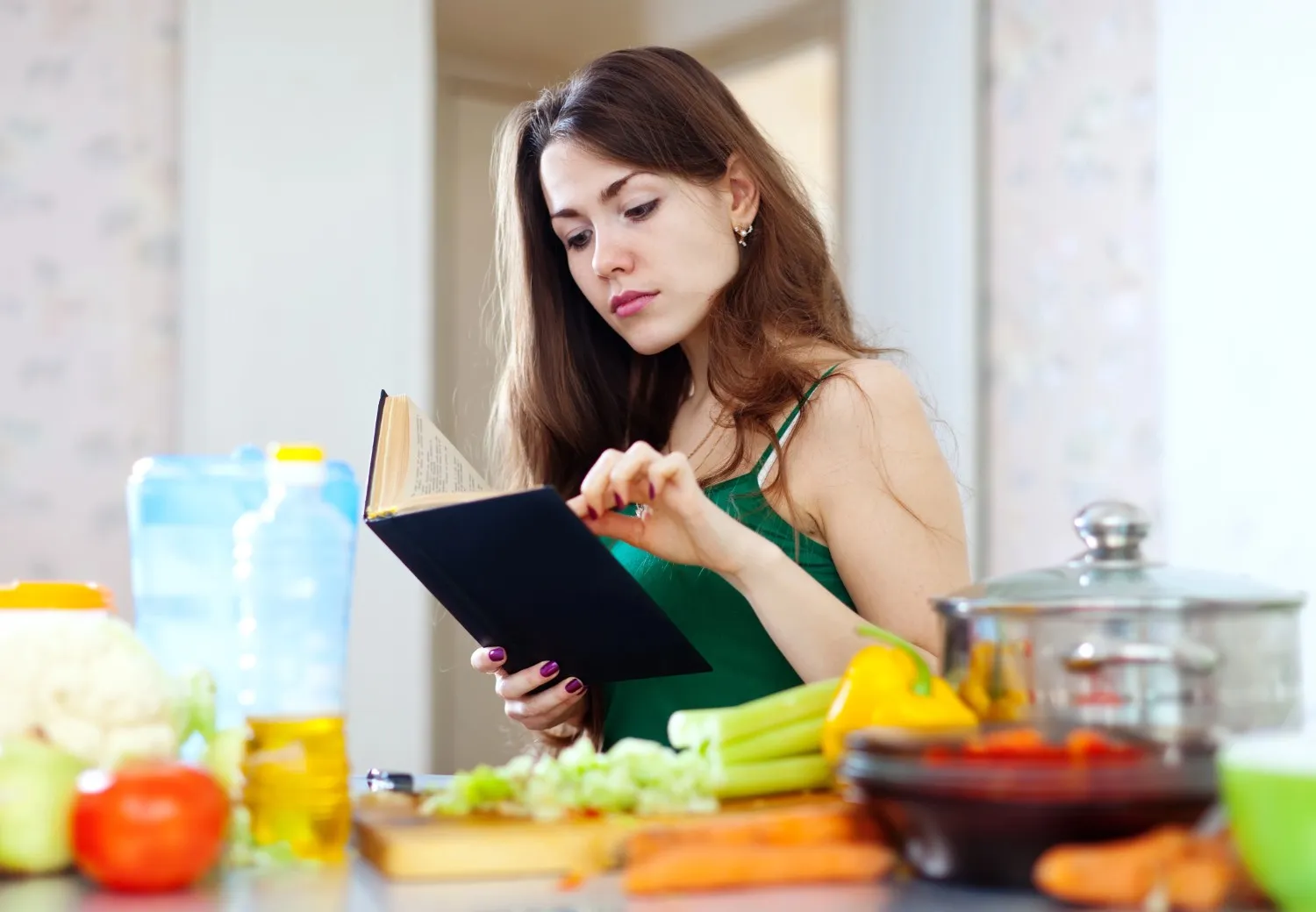
Every woman with PCOS has been told to watch what she eats.
What she has not always been told is why. Or what that actually means for someone cooking Indian food at home, managing a busy schedule, eating out occasionally, and trying to apply advice that was written for a completely different food culture.
The standard PCOS diet advice online is overwhelmingly Western. Low-carb. Keto. Eliminating rice and roti entirely. Eating avocado. Counting macros. Most of it is either impractical for an Indian household or so vague that it is impossible to act on.
This blog is not that. It is written for Indian women, with Indian food in mind, and it explains the logic behind the dietary changes clearly enough that you can actually apply them to the food you already cook and eat.
Why Diet Matters So Much in PCOS
Before getting into what to eat, it is worth understanding why food affects PCOS as directly as it does.
The central issue in most PCOS cases is insulin resistance. Your body produces insulin in response to the carbohydrates you eat, and insulin's job is to move glucose from the bloodstream into the cells where it can be used for energy. In insulin resistance, cells stop responding efficiently to the insulin signal. The pancreas compensates by producing more insulin. And chronically elevated insulin levels have a direct effect on the ovaries, stimulating androgen production.
More androgens mean more of the symptoms that define PCOS. Irregular cycles. Acne. Excess hair growth. Hair thinning. And the weight that accumulates around the abdomen and refuses to shift.
This is why dietary changes in PCOS are not about weight loss as a vanity goal. They are about reducing the insulin load on the system so that androgen production normalizes, ovulation can resume, and the hormonal environment shifts. The weight, when it does come off, is a consequence of that hormonal correction, not the cause of it.
Understanding this changes how you approach food with PCOS. The question is not just how many calories something contains. It is the amount of insulin it demands from your body.
The Core Dietary Principle for PCOS: Managing the Insulin Response
Every food recommendation in this blog follows from one principle: reduce the speed and size of the insulin spike your meals produce.
This is determined by three things: what you eat, how much of it you eat, and what you eat it with. A food that causes a large, rapid rise in blood glucose demands a large insulin response. A food that causes a slow, moderate rise in blood glucose requires a smaller one. And combining foods, eating carbohydrates alongside protein, fat, or fiber, slows glucose absorption and flattens the insulin curve.
This is why the same rice eaten as plain white rice on an empty stomach produces a very different insulin response from rice eaten alongside dal, sabzi, and a small amount of ghee. The meal context matters as much as the food itself. This is also why completely eliminating rice or roti is often both unnecessary and unsustainable. The goal is to eat them smarter, not necessarily to avoid them entirely.
What to Eat: The PCOS-Friendly Indian Diet
Grains and Carbohydrates
The goal here is not elimination. It is replacement and moderation.
Better choices: Millets are genuinely excellent for PCOS. Jowar, bajra, ragi, and foxtail millet are lower on the glycaemic index than refined wheat or white rice, higher in fiber, and far more appropriate for Indian cooking than quinoa or oats. Roti made from jowar or bajra flour is a straightforward swap that most households can make without disrupting their cooking. Brown rice or hand-pounded rice is preferable to polished white rice. Whole wheat roti is better than maida-based options.
Practical guidance: Portion size still matters. Two small rotis at a meal is different from four. And eating grains as part of a complete meal rather than alone significantly reduces the glycaemic impact.
What to reduce: White rice in large quantities eaten alone, maida in any form, white bread, processed grain-based snacks like biscuits and namkeen made from refined flour.
Vegetables
Most vegetables are freely eaten in a PCOS diet. Non-starchy vegetables, including leafy greens, methi, palak, lauki, turai, bhindi, karela, capsicum, tomatoes, cauliflower, cabbage, and brinjal, have a minimal insulin impact and are high in fiber and micronutrients.
Special mention: Bitter gourd (karela) has strong evidence supporting its ability to improve insulin sensitivity and is worth including regularly if you can manage the taste.
Starchy vegetables to moderate: Potato, sweet potato, yam, and raw banana are higher in starch and produce a larger glucose response. They are not banned, but portion size and meal context matter more with these.
Protein
Protein is one of the most important components of a PCOS diet because it slows glucose absorption, reduces hunger, and supports stable energy levels across the day. Most Indian women with PCOS are not eating enough of it.
Good sources for Indian cooking: Dal, chana, rajma, moong, lentils, paneer, eggs, curd, and for non-vegetarians, chicken and fish. Including a source of protein at every meal is one of the most practical changes a woman with PCOS can make.
Practical tip: Starting your meal with the dal or sabzi before the roti or rice is a simple habit that flattens the glucose curve more than any supplement will.
Fats
Dietary fat does not cause weight gain in PCOS the way that carbohydrate-driven insulin resistance does. Healthy fats, when eaten in reasonable amounts, are supportive, not harmful.
Good sources: Ghee used in moderate amounts in cooking; coconut oil; cold-pressed groundnut or sesame oil; nuts, particularly walnuts and almonds; and seeds, including flaxseed and sunflower seeds.
What to avoid: Refined vegetable oils used in large quantities, vanaspati, dalda, and the trans-fat-heavy oils used in commercial frying and packaged snacks.
Dairy
This is an area where Indian women often ask questions because dairy is so central to Indian cooking.
Full-fat curd and paneer are generally well-tolerated in PCOS. Curd, in particular, has probiotic benefits for gut health and inflammation, and including it daily is reasonable.
Milk consumed in large quantities, particularly in the form of sweetened chai several times a day, can contribute to the insulin load and to androgen stimulation in some women. This does not mean eliminating chai. It means being realistic about how much sweetened milk-based tea you consume throughout the day.
Commercial flavored yogurts and sweetened dairy products should be avoided. They combine dairy with significant added sugar, which is the worst combination for insulin in PCOS.
Fruits
Fruits are not the problem; they are sometimes made out to be in PCOS, with some caveats.
Good choices: Berries, guava, papaya, pear, jamun, apple, and citrus fruits are all appropriate. Jamun, in particular, has traditional use and some evidence for blood sugar regulation.
What to moderate: Mango, banana, chikoo, and grapes are higher in natural sugar and glycaemic index. This does not mean avoiding them entirely. It means not eating a large mango on an empty stomach as a meal by itself, which is a very different thing from having a small portion alongside a balanced meal.
Fruit juice: Avoid. Even fresh fruit juice removes the fiber that moderates the glucose response and delivers concentrated sugar in a form the body absorbs very rapidly.
What to Avoid in a PCOS Diet
Some things are worth being direct about.
Sugar in all its forms. This includes refined white sugar, large quantities of jaggery, honey used liberally, mithai, sweetened beverages, including packaged fruit juices, cold drinks, and flavored water, and sugar added to chai multiple times a day. Sugar is the single most direct driver of the insulin spike that worsens PCOS. Reducing it significantly is not optional if dietary management is to have any real effect.
Refined flour, maida. Biscuits, white bread, pav, puri made from maida, samosa wrappers, and most commercial packaged snacks are made from refined flour that converts to glucose extremely rapidly. The fiber that would have slowed absorption has been removed. These are the dietary equivalent of eating pure sugar as far as the insulin response is concerned.
Fried food is eaten regularly. Occasional fried food at a celebration is not going to undo a consistently good diet. Eating deep-fried food daily as a normal part of meals contributes to inflammation and metabolic dysfunction in ways that worsen both insulin resistance and androgen levels.
Packaged and processed foods. Most packaged snacks, ready-to-eat meals, and processed foods combine refined carbohydrates, poor-quality oils, and added sugar in combinations that are particularly problematic for PCOS. Reading ingredient labels is a useful habit to develop.
Meal Timing and Patterns
What you eat matters. When you eat it and how you structure your meals matter too.
Do not skip breakfast. Skipping breakfast and eating a large evening meal is a pattern that worsens insulin resistance over time. The body's insulin sensitivity is highest in the morning and declines across the day. Eating the majority of your carbohydrate intake earlier in the day and keeping dinner lighter is consistently associated with better metabolic outcomes in PCOS.
Eat three proper meals. Erratic meal timing, going long stretches without eating and then eating a large amount at once, drives the kind of glucose spikes and crashes that worsen PCOS. Three structured meals with protein and fiber at each is more supportive than grazing on snacks throughout the day.
If you snack, snack on protein or fat. A small handful of nuts, a piece of paneer, a boiled egg, or full-fat curd is a far better mid-meal option than biscuits, fruits alone, or any grain-based snack.
Limit chai to two cups a day with minimal sugar. This is practical. Indian household chai culture is real, and asking someone to give it up entirely is not realistic. Two cups with reduced sugar or replaced with jaggery in very small amounts is a manageable reduction that most women can sustain.
What Diet Alone Cannot Do
It is important to say this clearly.
Dietary changes for PCOS reduce the insulin load, support hormonal balance, and create a better environment for the body to regulate itself. They are necessary. They are not sufficient on their own in most cases.
Diet does not directly address the constitutional hormonal dysregulation that drives PCOS. It does not restore ovulation by itself in women with moderate to severe anovulation. It does not resolve androgen excess independently in most cases.
This is where constitutional homeopathic treatment works alongside dietary changes. The remedy works on the hormonal axis. The diet reduces the metabolic interference that would otherwise slow that process down. Together, they produce results that neither achieves as completely on its own.
Women who make dietary changes without constitutional support often see partial improvement. Women who begin constitutional treatment without making dietary changes often see slower progress than they should. The combination consistently outperforms either approach on its own.
A Simple Day of PCOS-Friendly Indian Eating
This is not a rigid plan. It is an illustration of what a day of eating can look like when the principles above are applied to typical Indian food.
Morning: One to two bajra or jowar rotis with a vegetable sabzi and a small bowl of curd. Or two eggs with vegetables and one roti. Chai with minimal sugar, not on an empty stomach.
Mid-morning if hungry: A small handful of almonds or walnuts, or a small bowl of sprouts.
Lunch: One to two rotis or a moderate portion of brown rice with dal, a vegetable sabzi, curd, and a small salad. Start with the dal and sabzi before the roti or rice.
Evening: If hungry, a small amount of roasted chana, a piece of paneer, or a cup of buttermilk without sugar.
Dinner: Lighter than lunch. Dal and sabzi with one roti, or a bowl of dal with vegetables and a small amount of rice. Dinner should be eaten at least two hours before bed.
Getting Help at Dr. Tathed's Homeopathic Clinic, Thane
Dietary change is one part of managing PCOS well. Constitutional homeopathic treatment is the other. If you want to understand how both work together in your specific case, the next step is a detailed consultation.
Dr. Tathed's Homeopathic Clinic has worked with hundreds of PCOS patients across Thane, Pune, Viman Nagar, and Chinchwad. For a complete overview of how PCOS is treated at the clinic, read the full PCOS treatment guide here. To book a consultation, visit drtathed.com or call +91 9405 435 981. Clinic hours are 8:00 AM to 9:00 PM.
Frequently Asked Questions
Can I eat rice if I have PCOS? Yes, with some adjustment. White rice, when eaten in large quantities alone, produces a rapid glucose spike that worsens insulin resistance. But rice eaten as part of a balanced meal alongside dal, sabzi, and a source of fat like ghee produces a much more moderate response. Brown rice or hand-pounded rice is preferable to polished white rice. A moderate portion of rice as part of a complete meal is very different from a large plate of plain rice as a meal by itself.
Is jaggery better than sugar for PCOS? Marginally, but not meaningfully. Jaggery has a slightly lower glycaemic index than refined sugar and contains trace minerals that white sugar does not. But it still drives an insulin response. Using jaggery in very small amounts is a better choice than using refined sugar liberally, but replacing sugar with jaggery in the same quantities is not a PCOS dietary strategy. The total amount of sweetener consumed is what matters most.
Do I need to follow a completely different diet from the rest of my family? No, and that is part of what makes sustainable dietary change possible. The core principles of a PCOS-friendly Indian diet, more millets, more protein, more vegetables, less sugar, less maida, less fried food, are principles that benefit the whole household. The adjustments are in proportions and choices within the framework of normal Indian cooking, not a separate cuisine.
How long before dietary changes make a difference to my PCOS symptoms? Most women notice improvements in energy, bloating, and skin within four to six weeks of consistent dietary changes. Cycle changes take longer, typically three to five months, because the hormonal environment shifts more slowly than the metabolic one. Dietary changes work most effectively when combined with constitutional homeopathic treatment, which addresses the hormonal component that diet alone cannot fully reach.
References
Indian Journal of Medical Research: Prevalence of PCOS in Urban India (2022)
Journal of Human Reproductive Sciences: CAM Use in PCOS (2021)
LocalCircles Pan-India Survey on Medical Side Effects (April 2025)