
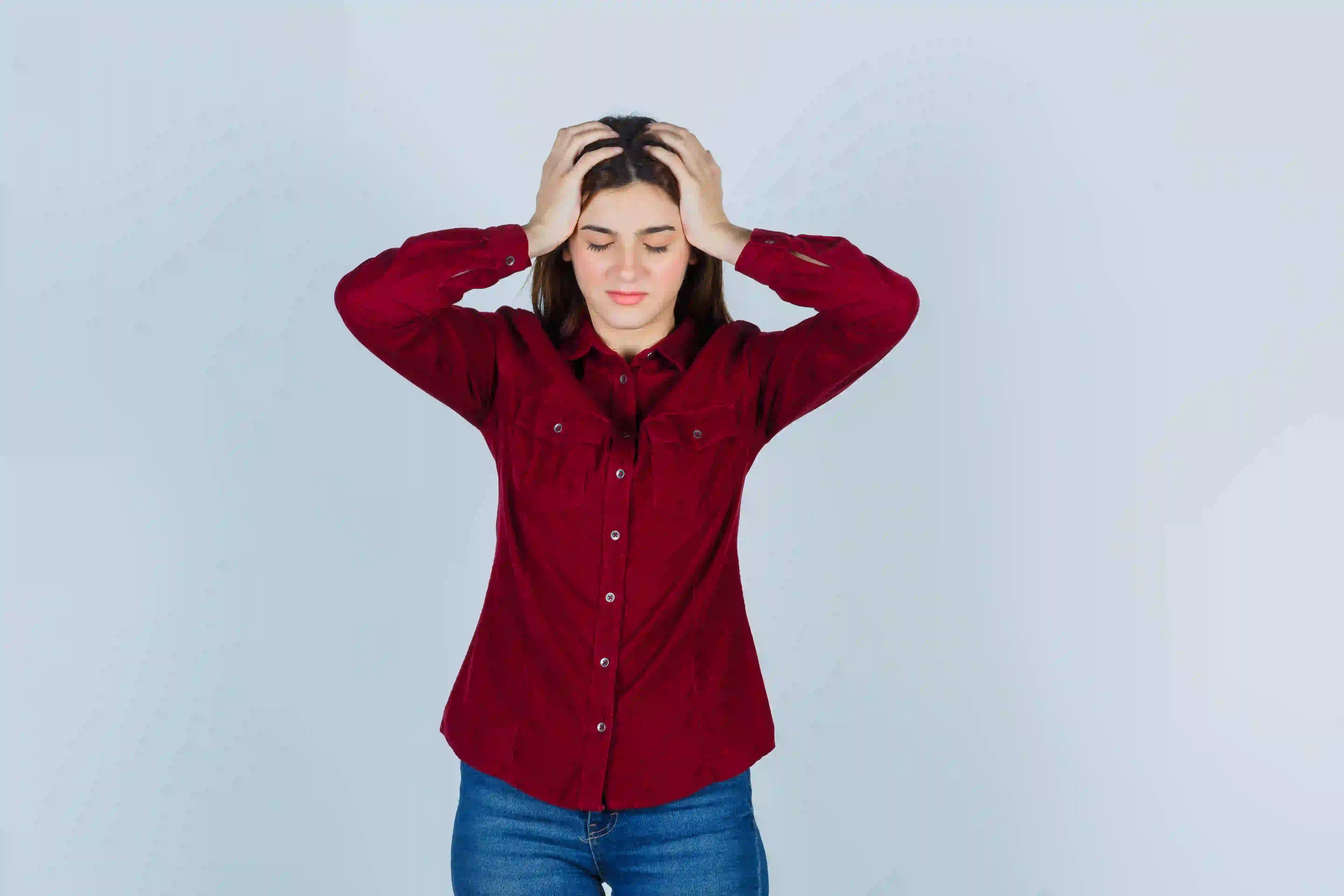

When Worry Stops Being Normal
Everyone feels anxious sometimes. Before a job interview, before an exam, before a difficult conversation. That kind of anxiety is a normal and healthy response. It sharpens focus, motivates action, and passes once the situation resolves.
Anxiety disorder is different. It does not pass. It does not need a clear trigger. It shows up in ordinary situations, in quiet moments, sometimes for no reason the person can identify at all. And over time, it begins to interfere with daily life in ways that cannot simply be pushed through with willpower or positive thinking.
Anxiety disorder is one of the most common mental health conditions in the world, yet it remains one of the most underdiagnosed. Many people live with its symptoms for years, attributing them to stress, personality, or physical health problems, without ever connecting them to an underlying anxiety condition.
Understanding the symptoms is the first step toward getting the right support.
The Two Layers of Anxiety Symptoms
Anxiety disorder expresses itself through two parallel channels. The first is psychological, affecting thoughts, emotions, and perception. The second is physical, producing real, measurable changes in the body. Both are equally valid. Both deserve attention.
Many people who experience anxiety disorder seek help for the physical symptoms first, visiting multiple doctors for chest pain, headaches, or digestive problems, before the anxiety connection is made. Recognising that these physical complaints can be rooted in an anxiety disorder helps avoid months or years of misdirected treatment.
Psychological Symptoms of Anxiety Disorder
Persistent and Excessive Worry
The most defining feature of generalised anxiety disorder is worry that feels impossible to control. It is not focused on one specific thing. It moves between topics, from finances to health to relationships to minor daily tasks, often without any particular reason for concern. The person knows, at some level, that the worry is disproportionate. But knowing that does not make it stop.
This is a worry that occupies significant mental space throughout the day. It interferes with concentration, decision-making, and the ability to be present in ordinary moments.
Constant Sense of Dread or Impending Danger
People with anxiety disorder often describe a persistent low-level feeling that something bad is about to happen. There is no specific threat. There is no logical basis for it. But the feeling sits in the background of almost every experience, making it difficult to relax or feel safe even in objectively comfortable circumstances.
Difficulty Concentrating
Anxiety takes up cognitive bandwidth. When a significant portion of mental energy is being consumed by worry, rumination, or hypervigilance, there is simply less available for focus and memory. People with anxiety disorder often notice that they cannot hold their attention on tasks, that their mind wanders repeatedly, and that they forget things more than they used to.
This symptom is frequently misidentified as ADHD, particularly in adults who were never diagnosed with an attention condition in childhood.
Irritability
Anxiety and irritability are closely linked, though this connection surprises many people who associate anxiety primarily with fear or sadness. When the nervous system is in a constant state of low-level activation, the threshold for frustration drops considerably. Small inconveniences feel disproportionately aggravating. Reactions feel harder to moderate.
In children, irritability is often the most visible symptom of anxiety, since young children may not have the language to describe what they are experiencing internally.
Restlessness or Feeling on Edge
A persistent sense of restlessness, the feeling of being unable to settle, wound up, or on edge, is a hallmark symptom of anxiety disorder. Sitting still feels uncomfortable. Relaxing feels unearned or impossible. There is a quality of inner tension that does not fully release even during rest.
Sleep Disturbances
Anxiety and sleep problems are closely intertwined. Difficulty falling asleep is common, often because the mind becomes more active when the body is still and there are fewer distractions from worrying thoughts. Waking repeatedly through the night, waking very early in the morning and being unable to return to sleep, and having vivid or disturbing dreams are all patterns associated with anxiety disorder.
Over time, poor sleep worsens anxiety, creating a cycle that becomes progressively harder to break without addressing both issues together.
Avoidance Behaviour
Avoidance is one of the most significant and least discussed symptoms of anxiety disorder. When certain situations, places, people, or activities consistently trigger anxiety, the natural response is to avoid them. This works in the short term, reducing immediate distress. But over time, avoidance narrows a person's world and reinforces the anxiety by confirming that the avoided thing is genuinely threatening.
Avoidance can become so gradual and normalised that the person does not recognise it as a symptom. They simply reorganise their life around what they can manage, without questioning why the list of manageable things keeps shrinking.
Physical Symptoms of Anxiety Disorder
Rapid or Irregular Heartbeat
One of the most alarming physical symptoms of anxiety is a racing or pounding heart, also described as palpitations. This occurs because anxiety activates the sympathetic nervous system, releasing adrenaline and preparing the body for a threat response. The heart beats faster to pump more blood to the muscles.
This symptom frequently sends people to cardiologists or emergency departments before an anxiety diagnosis is considered. Cardiac investigations come back normal, and the person is left without an explanation for what they experienced.
Chest Tightness or Discomfort
Chest tightness, pressure, or pain is another symptom that routinely gets investigated as a cardiac problem before anxiety is considered. It can feel frightening, particularly during a panic episode. The tightness is real and physically present. It is produced by muscle tension and altered breathing patterns, not by any damage to the heart or lungs.
Shortness of Breath
Anxiety can produce a sensation of not being able to breathe deeply enough, even when oxygen levels are entirely normal. People describe feeling like they cannot get a full breath, or that their breathing is shallow and unsatisfying. Hyperventilation, breathing too quickly, is a common anxiety response and can itself produce a range of additional symptoms including dizziness and tingling.
Headaches
Tension headaches are strongly associated with anxiety disorder. Persistent muscular tension in the neck, shoulders, and scalp, driven by chronic stress activation, produces headaches that can range from mild and persistent to quite severe. People with anxiety disorder frequently report daily or near-daily headaches that do not respond well to standard pain relief.
Digestive Problems
The gut-brain connection in anxiety is well established. The digestive system has its own extensive nervous network that responds directly to psychological states. Anxiety commonly produces nausea, stomach cramps, bloating, loose stools, constipation, or a combination of these. Many people with anxiety disorder carry a diagnosis of irritable bowel syndrome because the digestive symptoms are real and consistent, even though their root cause is neurological rather than structural.
Muscle Tension and Aching
Chronic muscle tension is a physical signature of long-term anxiety. The body holds tension in the shoulders, neck, jaw, and back in response to sustained stress activation. This produces aching, stiffness, and soreness that does not resolve with rest. Many people with anxiety disorder clench their jaw during sleep, leading to jaw pain and dental problems over time.
Fatigue
Sustained anxiety is physically exhausting. The nervous system operating in a near-constant state of alertness uses significant energy. People with anxiety disorder frequently describe feeling tired much of the time despite sleeping adequately, or waking from a full night's sleep already fatigued. This fatigue is often attributed to other causes before anxiety is considered.
Sweating and Trembling
Excessive sweating, particularly in the hands, underarms, or face, and trembling or shakiness are physical symptoms produced by adrenaline release. They can occur during acute anxiety episodes or as a baseline feature of chronic anxiety. These symptoms are often a source of significant embarrassment and can themselves reinforce social anxiety.
Dizziness and Light-Headedness
Anxiety can produce a floating, disconnected, or light-headed sensation that is both disorienting and alarming. This is often related to altered breathing patterns but can also be a direct effect of nervous system activation. Some people describe a feeling of unreality or of being slightly detached from their surroundings, a phenomenon known as depersonalisation or derealisation, which is more common in anxiety disorders than most people realise.
Anxiety in Children: What to Watch For
Anxiety in children often looks different from anxiety in adults. Children may not be able to describe internal states with any precision. What shows up instead is physical complaints before school, refusal to attend activities they previously enjoyed, clinginess, frequent tantrums or outbursts, difficulty sleeping alone, persistent reassurance-seeking, or very specific fears that seem disproportionate to their age.
School avoidance and complaints of stomachaches or headaches on school mornings, without any physical illness being found, are among the most common presentations of childhood anxiety. Taking these seriously and looking for patterns is important.
When Anxiety Becomes a Disorder
The distinction between ordinary anxiety and anxiety disorder lies in three qualities: intensity, duration, and functional impact.
When anxiety is consistently more intense than the situation warrants, when it persists beyond the triggering situation or has no clear trigger at all, and when it begins to limit what a person can do or enjoy, it has moved from a normal stress response into a condition that warrants proper assessment and support.
Anxiety disorders include generalised anxiety disorder, panic disorder, social anxiety disorder, specific phobias, separation anxiety disorder, and others. Each has a somewhat different symptom profile, but all share the core feature of disproportionate fear or worry causing real disruption to daily functioning.
Homeopathy and Anxiety: A Whole-Person Approach
At Dr. Tathed's Homeopathic Clinic in Thane, anxiety cases are approached constitutionally. The prescription is not built on the diagnosis alone but on the complete picture of the individual: their specific fears, their physical symptoms, their sleep patterns, their triggers, their temperament, and the way anxiety expresses itself uniquely in them.
Two people diagnosed with generalised anxiety disorder may receive entirely different remedies because their constitutional pictures are different. One person's anxiety manifests primarily through digestive disturbance and restlessness. Another shows up as insomnia, chest tightness, and a tendency toward perfectionism. The remedy follows the person, not the label.
Homeopathic treatment for anxiety works gently, without sedation, without dependency, and without the side effect burden that concerns many patients considering long-term treatment for a chronic condition. It is particularly well suited to children, to patients who cannot tolerate pharmaceutical anxiolytics, and to those looking for an approach that addresses the underlying constitutional picture rather than managing symptoms alone.
Families travel to our Thane clinic from across Pune, Viman Nagar, Chinchwad, and surrounding areas for constitutional homeopathic care for anxiety and related conditions.
Book a Consultation
If the symptoms described in this article feel familiar, whether for yourself or your child, please do not wait for the anxiety to become more entrenched before seeking support. Early, properly guided treatment produces significantly better outcomes than late intervention.
Dr. Tathed's Homeopathic Clinic offers detailed constitutional consultations for anxiety disorders across all age groups. To book an appointment, visit drtathed.com or call +91 9405 435 981.
Frequently Asked Questions
What are the most common physical symptoms of anxiety disorder?
The most frequently reported physical symptoms include a racing or pounding heartbeat, chest tightness, shortness of breath, persistent headaches, stomach discomfort, excessive sweating, and generalised muscle tension. These symptoms are produced by the body's stress response system and are entirely real, even when medical investigations find no structural cause.
Can anxiety disorder cause digestive problems?
Yes, and this is more common than most people expect. The gut has its own nervous system that responds directly to psychological states. Anxiety regularly produces nausea, cramping, bloating, loose stools, and constipation. Many people with undiagnosed anxiety carry a diagnosis of irritable bowel syndrome because the digestive symptoms are genuine and consistent.
How is anxiety disorder different from everyday stress?
Everyday stress has a clear cause and resolves when the cause resolves. Anxiety disorder is characterised by worry or fear that is disproportionate to the situation, persists beyond it, or arrives without any clear trigger at all. When anxiety begins to interfere with sleep, work, relationships, or daily activities over a sustained period, it has moved into the territory of a disorder rather than a normal stress response.
Can children have anxiety disorder?
Yes, and it is more common in children than is generally recognised. Childhood anxiety often presents through physical complaints such as stomachaches or headaches before school, avoidance of activities, clinginess, sleep difficulties, and frequent reassurance-seeking rather than through the worry and dread that adults describe. Taking these patterns seriously and getting a proper assessment is important.
Can homeopathy help with anxiety disorder?
Homeopathy approaches anxiety constitutionally, addressing the full picture of the individual rather than suppressing symptoms in isolation. Many patients experience meaningful improvement in sleep, emotional regulation, physical symptoms, and overall resilience through consistent homeopathic treatment. It is particularly suitable for those seeking a long-term, side-effect-free approach and for children who need gentle, non-sedating support.