
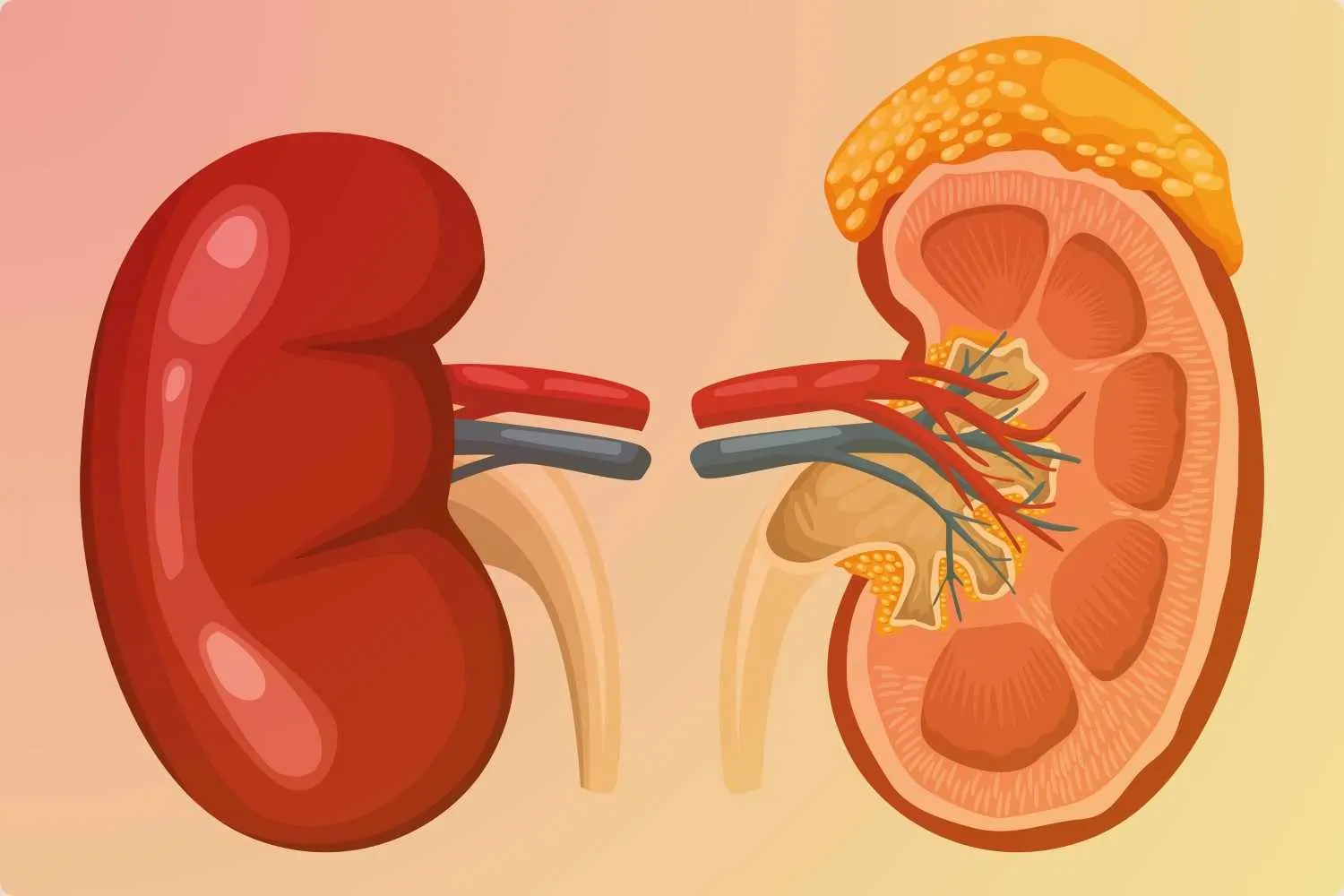
Nephrotic Syndrome
A kidney disorder that causes the body to excrete too much protein in the urine. Nephrotic syndrome is often caused by damage to small blood vessels in the kidneys that filter waste and excess water from the blood.
The condition causes swelling, particularly in your feet and ankles, and increases the risk of other health problems.
Causes
Nephrotic syndrome is usually caused by damage to the clusters of tiny blood vessels (glomeruli) in your kidneys.
The glomeruli filter your blood as it passes through your kidneys, separating things your body needs from those it doesn’t. Healthy glomeruli keep blood protein (mainly albumin) – which is needed to maintain the right amount of fluid in your body – from seeping into your urine.
When damaged, the glomeruli allow too much blood protein to leave your body, leading to nephrotic syndrome.
Many diseases and conditions can cause glomerular damage and lead to nephrotic syndrome, including:
- Diabetic Nephropathy
- Minimal Change Disease: Results in abnormal kidney function, but when seen under the microscope it appears normal. The cause of the abnormal function typically can’t be determined.
- Focal Segmental Glomerulosclerosis: Characterized by scarring of some of the glomeruli, this condition can result from another disease, a genetic defect, or certain medications.
- Membranous Nephropathy: Membranous nephropathy is the result of thickening membranes within the glomeruli. Thickening occurs due to deposits made by the immune system.
- Systemic Lupus Erythematosus: This chronic inflammatory auto-immune disease can lead to serious kidney damage.
- Amyloidosis: This disorder occurs when amyloid proteins accumulate in your organs. Amyloid build-up often damages the kidneys' filtering system.
Symptoms
- Severe swelling (oedema) particularly around your eyes and in your ankles and feet.
- Foamy urine.
- Weight gains due to fluid retention.
- Fatigue.
- Loss of appetite.
Homeopathic Invention
As per the latest research, the biological conflicts related to nephrotic syndrome are:
- Abandonment Conflict: Brought on by feelings of being excluded, unwanted, rejected, isolated, and alone.
- Existence Conflict: A deep fear arises when a person feels their “life is at stake,” or there is a sense of having lost everything—this could relate to financial loss, the loss of a loved one, or the loss of a workplace.
- Refugee Conflict: Experienced as being uprooted, like being thrown out into the desert. For example, an unexpected transfer or move can trigger this conflict.
Homeopathic Approach
Homeopathic medicines are considered quite effective in treating Nephrotic Syndrome, especially in children. Homeopathic remedies aim to provoke a desirable immunological response by helping to heal kidney damage and restore balance in the body’s immune system.


Medicines
Homeopathic Medicines
Apocynum Cannabinum :
Apocynum cannabinum is an effective medicine. Dropsy is accompanied by a great thirst for water. Works well for ascites, hydrothorax, and anasarca. There is less urine than usual and it is turbid and hot.
Arsenic Album :
Oedematous swelling mainly on the face and abdomen. There is ascites along with a hard and bloated stomach. Urine is turbid and may burn while passing. Extreme lack of strength, weakness, and fatigue from slightest exertion.
Terebinthinate :
Indicated in initial stages of nephrotic syndrome. Works well for acute albuminuria in early stages. Urine Is rich in albuminuria and is cloudy and smoky. Tenesmus of bladder, scanty urine, or suppression of urine.
Apismellifica :
Puffiness under eyes and swelling of the feet. The feet feel tight and tense with swelling. Oedematous swelling may occur on the face. Urine is frothy or milky in appearance. Fetid odour in urine is noted and there is a frequent urge to pass urine. Albuminuria and pain around the kidney also present.
Phosphorous :
Affects the kidneys causing albuminuria and haematuria. Profuse pale watery urine with intense weakness.
Sulph :
When there is brick dust or straw yellow deposits in urine.