

Acute Kidney Injury
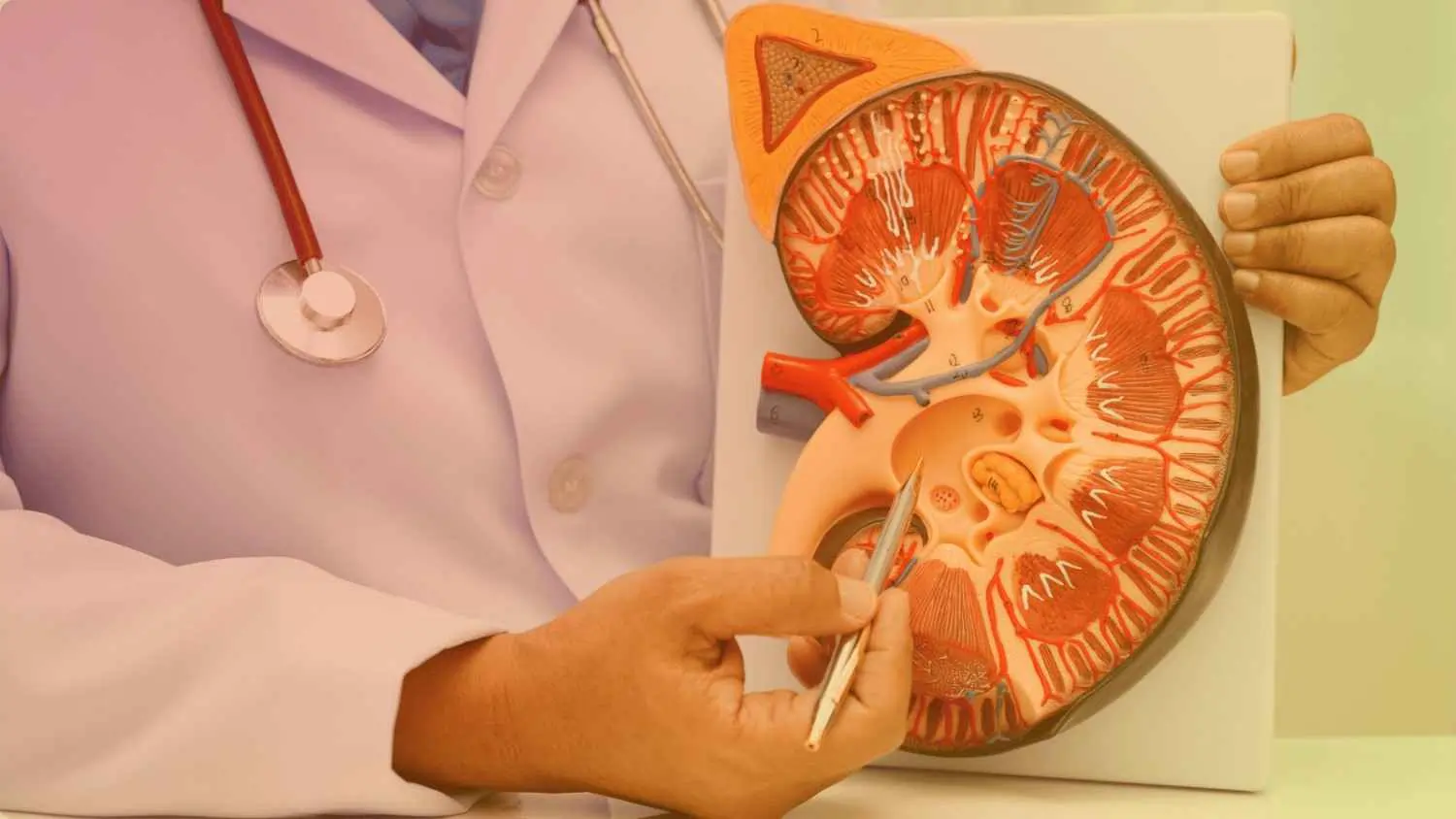
The kidney is one of the vital organs in the body. All the waste material accumulated in the body is excreted through the kidneys via urine. Acute kidney injury occurs when your kidneys suddenly become unable to filter waste products from your blood. It causes a build-up of waste products in your blood and makes it hard for your kidneys to keep the right balance of fluid in your body.
AKI is usually diagnosed with a blood test to measure your levels of creatinine, a chemical waste product produced by the muscles. If there’s a lot of creatinine in your blood, it means your kidneys are not working as well as they should.
Acute kidney failure also called an acute renal failure or acute kidney injury develops rapidly, usually in less than a few days. Acute kidney failure is most common in people who are already hospitalized.
Causes
- Diseases and conditions that may slow blood flow to the kidneys and lead to kidney injury include heart disease, liver disease, some infections, certain drugs, severe allergic reaction, severe burns, severe dehydration, etc.
- Damage to the Kidneys: Some disease conditions and agents may damage the kidneys and lead to acute kidney failure, e.g., Glomerulonephritis, hemolytic uremic syndrome, and agents like alcohol, lead, mercury, etc.
- Diseases and conditions that block the passage of urine out of the body (urinary obstructions) that can lead to acute kidney injury include bladder cancer, enlarged prostate, kidney stones, etc.
Symptoms
- Decreased urine output
- Fluid retention, causing swelling in your legs, ankles, or feet
- Shortness of breath
- Fatigue
- Confusion
- Nausea
- Weakness
- Irregular heartbeat
- Chest pain or pressure
- Seizures or coma in severe cases
Risk Factors
- Being hospitalized, especially in ICU.
- Advanced age
- Blockages in the blood vessels in your arms or legs (peripheral artery disease).
- Diseases like diabetes, high blood pressure.
- Organ failures like heart, kidney, liver, etc.
- Certain cancers and their treatments.
Homeopathic Approach
AKI is usually a complication of an underlying disease and in most cases, it’s reversible. With homeopathic medicine, we can treat and control the underlying disease ultimately improving kidney functions. Homeopathy stimulates immune function to perform normal functions, in this way damaged kidneys and their functions start improving.
Homeopathic Invention
As per latest research in homeopathy, acute kidney failure is caused due to an “existence conflict”.
An existence conflict is a fear for one’s life—“my life is at stake”. Waiting in an emergency room, being in an ambulance, and hospitalization also evoke existence and abandonment conflicts. The fear of having to go to the hospital might already activate the conflict. “I have lost everything”. This could be the loss of a workplace, financial losses, the loss of a home, or the loss of a person who provided security, economically or emotionally. This explains why acute kidney failure is the most frequent complication in hospitalized patients, particularly in intensive care units.

Medicines
Homeopathic Medicines
Apis Melifica :
Acts on cellular tissues causing oedema of the skin and mucous membranes. Swelling or puffing up of various parts, oedema, red rosy hue on the swollen part. The patient cannot tolerate heat, slightest touch, and complaints are worse in the afternoon, after sleeping, in closed and heated rooms.
Apocyanum :
Increases secretions of mucous and serous membranes. Oedema all over the body. The bladder much distended. Turbid, hot urine, with thick mucus and burning in the urethra, after urinating. Little expulsive power. Dribbling of urine.
Acid Benzoic :
Useful in conditions with high uric acid levels. Urine is highly colored and very offensive. Helps with gouty symptoms. Pains suddenly change their locality. Urine is of nauseating odor; changeable color; brown and acidic.
Acid Nitric :
Urine is scanty, dark, offensive. Smells like a horse’s urine. Urine feels Cold on passing. Burning and stinging in the urethra. Urine bloody and albuminous. Profuse urinary secretion in old prostatic cases. Worse in evening and night, cold climate, and also hot weather.
Cantharis :
Irritation in the urethra. Raw, burning pains. Intolerable, constant urging to urinate. Nephritis with bloody urine. Violent pain in whole renal region, with painful urging to urinate; bloody urine, by drops. Intolerable pain before, during, and after urine.